

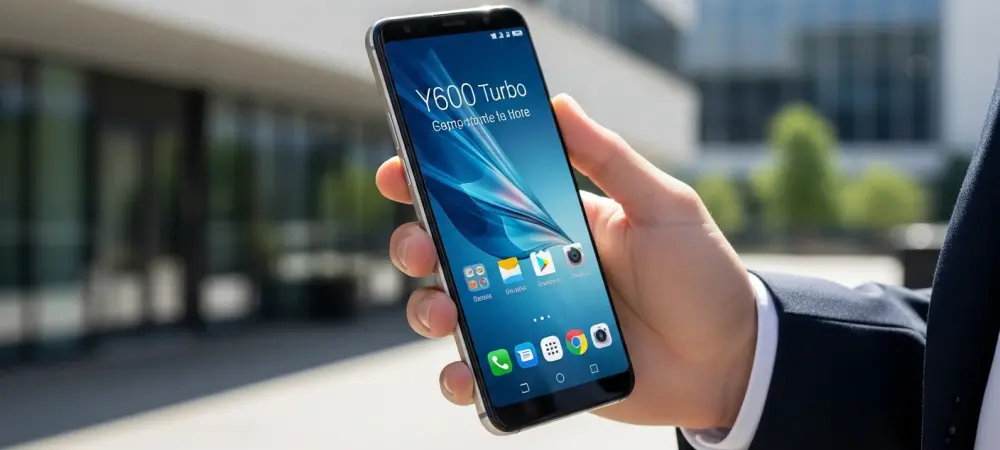
This smartphone represents a shift in the Vivo Y-series philosophy, moving from basic designs toward hardware built for heavy-duty performance. By integrating a massive battery into a slim frame, it sets a new benchmark for the mid-tier market.
Evolution of the High-Performance Mid-Range Segment
The Y-series now targets power-users, prioritizing raw utility over aesthetic gimmicks. Vivo disrupted the market by employing high-density battery tech that allowed for a 9,000mAh capacity without creating a bulky chassis. This evolution addressed user fatigue regarding charging, proving high-end specs exist in affordable hardware.
Comprehensive Analysis of Key Hardware Components
The 9,000mAh Battery and 90W Fast Charging System
A 9,000mAh cell doubles the capacity of flagship units, while 90W charging ensures rapid recovery. Advanced thermal management prevents overheating during power intake, focusing on longevity over burst speeds.
Snapdragon 7s Gen 4 Processing and Internal Architecture
The Snapdragon 7s Gen 4 handles multitasking fluidly on Android 16. This architecture balances 120Hz gaming with energy efficiency, supported by 12GB RAM for consistent responsiveness.
1.5K AMOLED Display and 5,000 Nit Peak Brightness
The 6.83-inch panel hits 5,000 nits, ensuring legibility under harsh sunlight. Certified for eye protection, this display enhances outdoor usability significantly while rivaling premium devices.
Emerging Trends in Mobile Power and Durability
Industry trends now favor integrating flagship-level brightness and IP69 ratings into mid-tier units. Consumers demand industrial-grade durability, forcing manufacturers to prioritize functional reliability over social media-centric features.
Real-World Applications and Industrial Durability
The IP69 rating suits field work requiring resistance to high-pressure water. NFC and infrared controls integrate the phone into professional environments, while extreme battery life benefits long-range travel.
Technical Challenges and Market Obstacles
Balancing a massive battery with an 8.29mm thickness required complex internal layouts. However, the 215g weight and modest camera are clear trade-offs for price, presenting hurdles against specialized competitors.
Future Outlook for Ultra-Endurance Smartphones
This success might drive adoption of high-density batteries industry-wide. Future standards will likely evolve to accommodate vivid displays as pricing and performance metrics converge.
Final Summary and Assessment
The Vivo Y600 Turbo established itself as a leader by proving massive power fits in a standard chassis. Its integration of top-tier display tech suggested mid-range segments had moved beyond cost-cutting. The device provided a compelling case for prioritizing utility in the mobile landscape.