

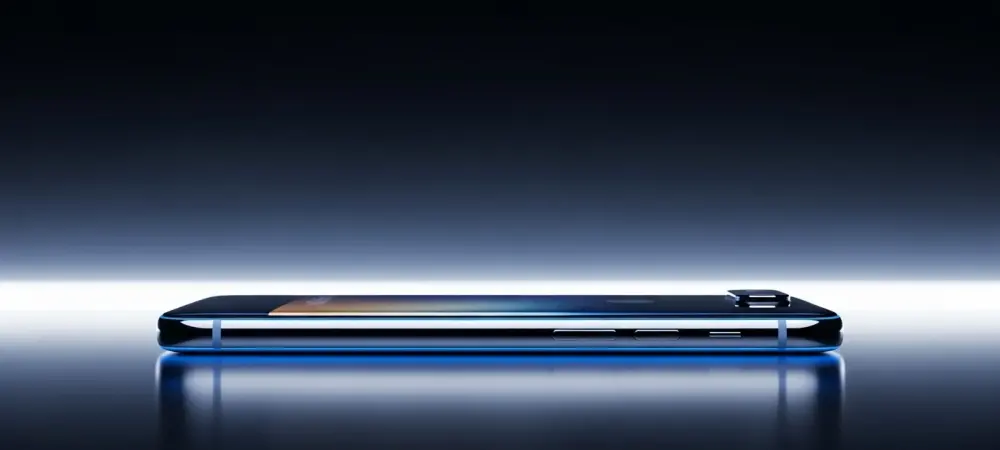
The persistent anxiety of a dying smartphone battery during a long commute or a busy workday has long been an accepted frustration for modern tech users. Most users have grown accustomed to the daily ritual of hunting for a charger by sundown, yet the Vivo Y6 5G aims to break this cycle. While the industry standard has hovered around 5,000 mAh for years, this new release packs a staggering 7,200 mAh cell into a chassis that remains surprisingly pocketable. It is a bold move that prioritizes utility over the race for the thinnest possible frame, catering to a demographic that values uptime.
Redefining Endurance in the Modern Smartphone Era
The arrival of the Vivo Y6 5G highlights a significant pivot in how manufacturers approach the budget segment. As 5G connectivity and high-refresh-rate screens become standard, the resulting power drain makes traditional battery capacities feel inadequate. By leaning into extreme endurance, Vivo addressed a specific pain point for delivery drivers and outdoor enthusiasts who cannot always rely on power banks. This launch suggested that for many consumers, a phone that stays alive for three days is more valuable than a high-resolution display or a complex multi-lens camera array.
The Shifting Priorities of the Budget Smartphone Market
Manufacturers are realizing that high-end specs often mean little if the device cannot survive a full shift in the field. This shift toward ruggedness and longevity marks a departure from the aesthetic-driven marketing of the past decade. The Y6 5G stood as a testament to practical engineering, where the internal volume was dedicated to chemical energy storage rather than superfluous sensors. It represented a market correction, focusing on reliability in environments where electricity is not a guaranteed commodity.
Unpacking the Vivo Y6 5G: Battery Tech, Performance, and Design
The centerpiece of the device is the 7,200 mAh battery, which supports 44W wired fast charging to ensure refueling does not take all night. Remarkably, Vivo kept the thickness at a manageable 8.39 mm, weighing 219 grams. Under the hood, the phone utilizes the Snapdragon 4 Gen 2 chipset, providing a balance of efficiency and 5G performance. The 6.57-inch LCD compensates for its 720p resolution with a fluid 120 Hz refresh rate and a peak brightness of 1,200 nits, ensuring legibility in direct sunlight.
Software Milestones and the Durability Standard
Surprisingly, the Y6 5G debuted with OriginOS 6, based on the Android 16 framework. This put it ahead of many flagships in software versioning, despite the lack of a long-term update roadmap. Beyond code, the device was built to survive harsh conditions, boasting IP68 and IP69 ratings for water and dust resistance. This level of protection, paired with an IR blaster and side-mounted fingerprint scanner, positioned the phone as a practical tool for demanding real-world environments.
Navigating Price Points and Determining Value
The Vivo Y6 5G entered the market with a competitive pricing structure, starting at approximately $263 for the base model. While it lacked a high-resolution screen or advanced cameras, it offered a specialized utility few competitors could match. Future buyers might consider if this focus on endurance outweighed the minimalist 50 MP single camera. Ultimately, the release provided a viable solution for those prioritizing a three-day battery life over luxury features, setting a new benchmark for specialized mobile hardware.