

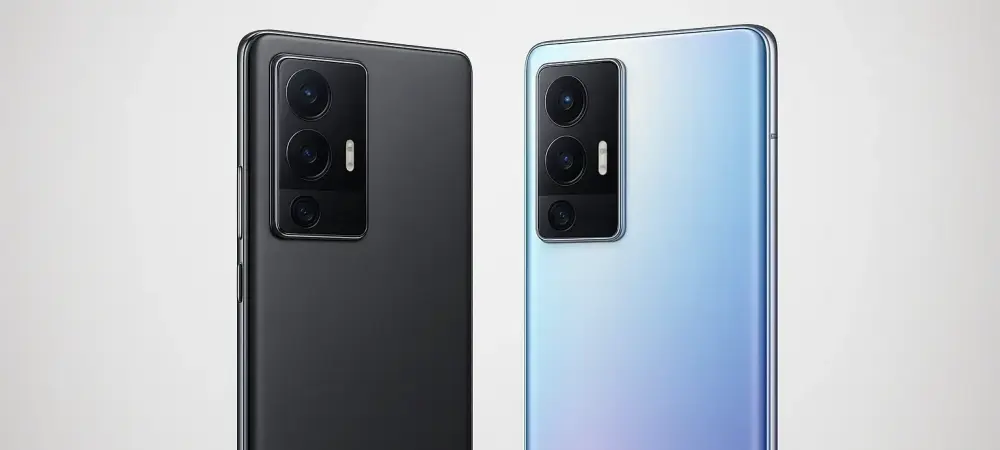
The Evolution of the Professional Lens in Your Pocket
The traditional boundaries separating professional cinematography from the convenience of a smartphone have never felt thinner than they do today with the upcoming unveiling of the Vivo X500 series. Scheduled for an official reveal on September 21, 2026, this lineup signals a departure from the incremental updates that have characterized the last few years of mobile technology. By deepening its long-standing collaboration with Zeiss, Vivo focuses on delivering an optical experience that values raw performance over flashy marketing metrics. This release addresses the growing group of creators who require professional-grade tools in a pocketable form factor.
This partnership represents more than just a logo on a camera island; it is an integration of glass, coating, and processing logic. As the mobile landscape shifts toward sophisticated imaging, the X500 series positions itself as the primary choice for those who view their phone as a cinematic instrument. The transition from digital-only processing to an optics-first philosophy highlights a significant change in how modern flagships are conceptualized for the high-end consumer market.
Setting a New Benchmark for Flagship Photography
Modern mobile users have largely grown weary of subtle camera improvements that rarely translate to better real-world photography in difficult lighting. The X500 series enters the market precisely as the demand for high dynamic range and stable long-range imagery has shifted from a niche desire to a mainstream requirement. As the digital economy turns toward high-quality video content, the necessity for hardware that can withstand professional workflows has become paramount. Vivo aims to capture this demographic by positioning the “Ultra” hardware as a reliable workhorse for high-contrast environments.
Beyond simple image capture, the focus on “Ultra” level hardware reflects a strategic move to provide consistent results across all focal lengths. Reliability is often the deciding factor for professionals choosing a mobile device for B-roll or quick social updates. By prioritizing high-contrast performance and telephoto stability, the X500 series addresses the specific frustrations users have faced with traditional sensors that struggle in low-light or fast-moving scenarios.
Engineering the Pro Max: Sony Lytia L910 and Beyond
At the heart of the engineering feat in the Pro Max model is the Sony Lytia L910 sensor, which utilizes advanced LOFIC technology. This hardware allows the device to capture an astounding 17 stops of dynamic range, ensuring that even the deepest shadows and brightest highlights retain their intricate details. Such a range was once reserved for high-end cinema cameras, but it now enables creators to shoot 4K video at 240 fps for ultra-smooth slow motion. Furthermore, the 4K 120 fps capability in DCG HDR provides broadcast-quality footage that fits within a mobile editing timeline. The series also carries forward the impressive 200-megapixel telephoto legacy from the X300 Ultra, though it now features CIPA 7-level stabilization. This level of mechanical correction makes it possible to capture clear handheld shots at extreme zoom distances, effectively eliminating the need for bulky tripods in the field. To complement the hardware, the expansion of Zeiss color styles into the video domain allows for real-time cinematic color grading. This integration ensures that the aesthetic quality of the video matches the sophisticated look of professional still photography.
Intelligent Design and the Debut of OriginOS 7
Beyond the lens, the software experience sees a significant overhaul with the debut of OriginOS 7, built on the foundations of Android 17. The interface adopts a refined glass-like aesthetic that emphasizes depth and transparency, creating a more immersive visual environment for the user. However, the most notable improvement for power users is the introduction of the Atomic Workbench. This multitasking tool, originally perfected for foldable screens, allows for pinning and swapping applications with ease, bringing a desktop-class efficiency to the traditional slab phone design.
The hardware design follows a minimalist philosophy, pushing the limits of display technology with ultra-slim bezels that maximize the active screen area. This design choice serves to highlight the sophisticated software while maintaining a premium feel in the hand. While the initial launch is focused on the Chinese market, the global community anticipates the international rollout of the X500 and X500 Pro Max. This phased strategy ensured that the hardware was refined for various markets as it moved toward a wider release.
Transitioning to a Mobile-First Creative Workflow
Mastering the capabilities of the L910 sensor required a shift in how creators approached challenging environments, such as backlit stages or sunsets. By utilizing the 17-stop range effectively, photographers preserved sky details while keeping foreground subjects perfectly exposed without relying on artificial software brightening. The CIPA 7-level stabilization provided the freedom to experiment with long-exposure telephoto shots that were previously impossible without stabilization gear. This technology empowered mobile journalists and travelers to capture high-stakes moments with minimal equipment.
Maximizing productivity involved more than just camera settings; it required a strategic setup of the new software ecosystem. Users configured the Atomic Workbench to house their most frequent editing and social media management tools for seamless transitions during a busy shoot. Selecting the appropriate Zeiss color profile served as the final step in the creative process, allowing the user to set the mood before the first frame was recorded. This proactive approach to mobile-first content creation simplified the production process for many early testers.