

Introduction to a Game-Changing Smartphone
Imagine a smartphone that fits comfortably in your hand yet delivers the power and imaging capabilities of a full-sized flagship device, setting a new standard for compact design. In a world where consumers increasingly demand portability without sacrificing premium features, the Vivo X300 emerges as a potential game-changer in the compact smartphone segment. This anticipated device from Vivo’s next-generation X300 series promises to redefine expectations with its blend of cutting-edge technology and sleek design.
The purpose of this FAQ is to address the most pressing questions surrounding this upcoming compact flagship. By exploring its rumored specifications and standout features, the aim is to provide clarity on what sets this device apart in a crowded market. Readers can expect detailed insights into its display, camera system, performance, and more, based on credible leaks and industry trends.
This guide focuses on delivering actionable information for tech enthusiasts and potential buyers curious about Vivo’s latest offering. Key aspects such as design innovations and technological advancements will be covered to paint a comprehensive picture. By the end, a clear understanding of the device’s potential impact and relevance in today’s smartphone landscape will be evident.
Key Questions About the Vivo X300
What Is the Vivo X300 and Why Is It Significant?
The Vivo X300 is a compact flagship smartphone from Vivo’s X300 series, expected to launch soon as part of the company’s push into the premium market. Its significance lies in addressing a growing consumer preference for smaller devices that do not compromise on high-end features. Unlike larger flagships, this model targets users who prioritize ease of use and portability alongside top-tier performance.
The importance of this device is underscored by its potential to challenge the dominance of bigger smartphones in the flagship category. With manufacturers often focusing on expansive screens, the trend toward compact yet powerful devices has gained momentum. The Vivo X300 could set a new standard for balancing size with capability, appealing to a niche but expanding audience.
This smartphone’s rumored specifications suggest it could rival other high-end models while maintaining a smaller form factor. As a device that bridges the gap between convenience and cutting-edge technology, it represents a strategic move by Vivo to capture a unique market segment. Its anticipated release is already generating buzz among tech enthusiasts eager for innovation in design.
What Are the Display Features of the Vivo X300?
A standout aspect of the Vivo X300 is its display, rumored to be a 6.31-inch LTPO panel with a 120Hz refresh rate and 1.5K resolution. Manufactured by BOE, this screen incorporates LTPO technology, ensuring uniform, slim bezels for a modern aesthetic. Such a design enhances the visual experience while keeping the device compact.
Beyond aesthetics, the display is engineered for user comfort across various lighting conditions. With a minimum brightness of just 1 nit, it reduces eye strain in dark environments, making it ideal for nighttime use. This focus on adaptability highlights Vivo’s attention to practical functionality in premium devices.
The combination of high resolution and refresh rate also promises smooth visuals and sharp clarity. Whether for gaming, streaming, or everyday browsing, the display is poised to deliver an immersive experience. This positions the Vivo X300 as a device that prioritizes both form and function in its screen technology.
How Does the ZEISS Camera System Enhance Photography?
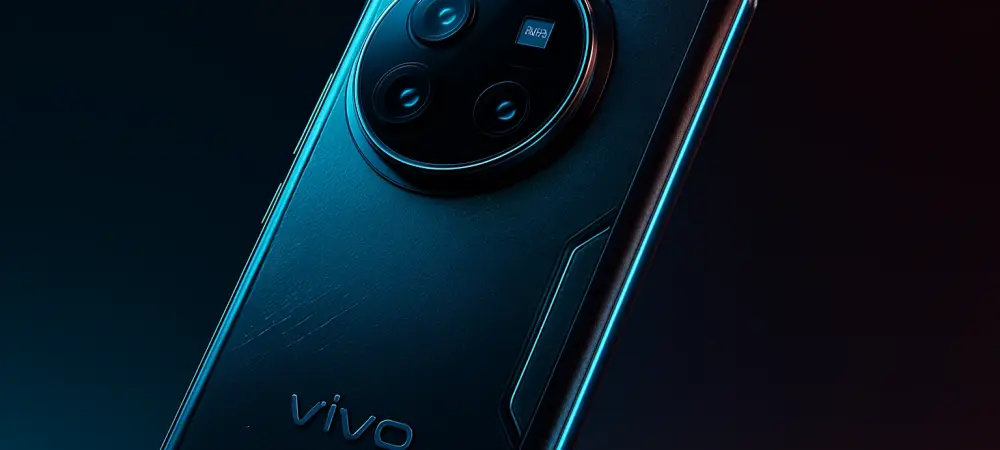
The camera system on the Vivo X300 is a major highlight, featuring a ZEISS-branded setup with a 200MP primary sensor (1/1.4″), a 50MP ultrawide lens, and a 50MP periscope telephoto lens offering 3X optical zoom. This advanced configuration is designed to cater to photography enthusiasts seeking professional-grade results from a smartphone. The collaboration with ZEISS ensures superior optics for capturing detailed and vibrant images.
Additional enhancements include the ZEISS T* anti-reflective coating, which minimizes lens flare and ghosting in challenging lighting conditions. Coupled with Vivo’s proprietary V3+ imaging chip, the camera supports 4K 60fps cinematic portrait video recording, pushing the boundaries of mobile videography. A 50MP front-facing camera further complements the setup for high-quality selfies and video calls.
This system addresses the demand for versatile imaging capabilities in compact devices, allowing users to capture everything from wide landscapes to zoomed-in details with precision. The integration of such technology underscores the device’s appeal to content creators and casual photographers alike. It reflects an industry shift toward embedding professional camera features in smaller form factors.
What Powers the Vivo X300’s Performance?
Performance is another area where the Vivo X300 is expected to excel, thanks to its rumored MediaTek Dimensity 9500 chipset. As a forthcoming flagship processor, this component promises top-tier speed and efficiency, ensuring seamless multitasking and gaming experiences. It positions the device as a competitor to other high-end smartphones in terms of raw power.
While exact battery capacity details are yet to be confirmed, speculation suggests a robust 6,000mAh battery, supported by 90W wired charging and wireless charging options. Such specifications indicate a focus on longevity and convenience, catering to users who rely heavily on their devices throughout the day. This combination of power and endurance is critical for a flagship model.
Additional features like a USB 3.2 port and an ultrasonic fingerprint scanner further enhance functionality and security. These elements ensure that the device not only performs well but also offers modern connectivity and protection. Together, these aspects create a well-rounded performance profile for a compact flagship.
When and Where Will the Vivo X300 Be Available?
The Vivo X300 is anticipated to debut in China before a global rollout, following the brand’s typical launch strategy. While an exact date remains unconfirmed, industry expectations point to a release within the current year, aligning with Vivo’s pattern of unveiling flagship devices. This staggered approach allows the company to refine its offerings based on initial market feedback.
Availability in international markets will likely follow the initial launch, targeting regions where Vivo has a strong presence. This strategy ensures that the device reaches a wide audience while maintaining a controlled rollout to manage demand and supply. Potential buyers outside China should anticipate a slight delay compared to the initial release.
The focus on a phased launch also reflects Vivo’s commitment to tailoring the device for different regions, potentially adjusting features or pricing based on local preferences. For those eager to get their hands on this compact flagship, staying updated with official announcements from Vivo will be key. This approach keeps the excitement alive across global markets.
Summary of Key Insights
The Vivo X300 stands out as a compact flagship that blends premium features with a smaller form factor, addressing a growing demand for portable yet powerful smartphones. Its 6.31-inch LTPO display with 1.5K resolution and 120Hz refresh rate offers a visually stunning experience, while the ZEISS camera system, featuring a 200MP primary sensor, redefines mobile photography. Performance is driven by the MediaTek Dimensity 9500 chipset, paired with a speculated 6,000mAh battery and fast charging capabilities.
This FAQ highlights how the device caters to users seeking high-end specifications without the bulk of traditional flagships. From advanced imaging with ZEISS T* coating to modern connectivity via USB 3.2, every aspect reflects a thoughtful design approach. The anticipated launch in China, followed by a global rollout, adds to the intrigue surrounding its availability.
For those interested in delving deeper into smartphone trends or Vivo’s innovations, exploring official updates from the brand or tech-focused publications can provide further context. Keeping an eye on industry developments will also shed light on how this device competes in the evolving market. These resources can offer additional perspectives on compact flagships and their role in today’s tech landscape.
Final Thoughts on a Compact Powerhouse
Looking back, the discussion around the Vivo X300 paints a picture of a device that challenges the norms of flagship smartphones by prioritizing compactness without cutting corners on capability. Its rumored features, from the ZEISS-enhanced camera to the powerful MediaTek processor, underscore a shift in how manufacturers approach design and functionality. The anticipation built around its release speaks volumes about the market’s readiness for such innovation.
As a next step, potential buyers are encouraged to monitor Vivo’s official channels for confirmed launch details and availability in their regions. Comparing this device with other flagships in the compact category could also help in making an informed decision. Evaluating personal needs against the Vivo X300’s strengths offers a practical way to assess its fit.
Beyond individual choices, the emergence of such devices signals a broader trend toward versatility in smartphone design, prompting reflection on future possibilities. Could this inspire more brands to explore compact flagships with premium specs? Considering how this balance of size and power might evolve provides an exciting lens through which to view the industry’s direction.