

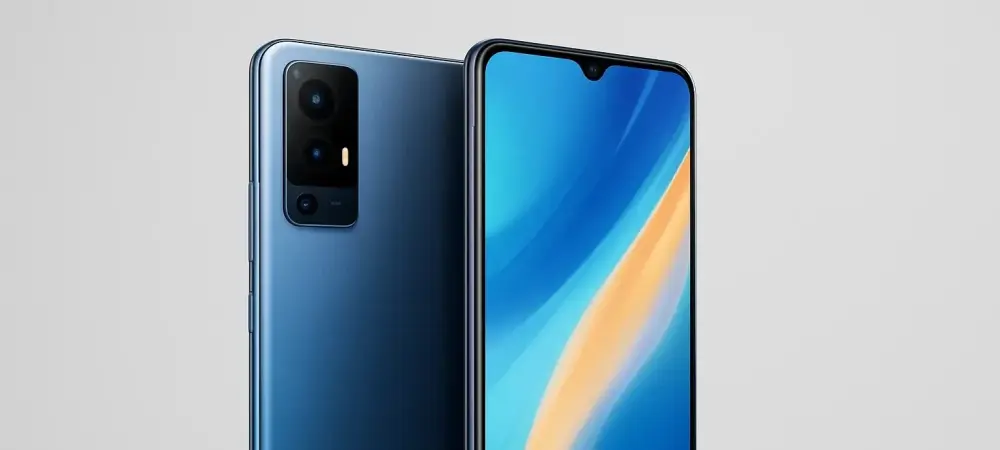
What happens when a smartphone under $400 delivers a 200-megapixel camera, a battery that lasts for days, and AI features that rival premium flagships? The Vivo V60e, launched in India, has entered the mid-range market with a bang, promising to redefine what consumers expect from affordable devices. Priced starting at Rs. 29,999, this phone is not just another option—it’s a potential disruptor in a segment where value and innovation collide. Let’s explore if this device truly stands as a game-changer for budget-conscious tech enthusiasts.
The mid-range smartphone market has never been more critical, serving as a battleground where manufacturers balance cutting-edge features with accessibility. With over 60% of smartphone users in India opting for devices in this price bracket, according to recent industry reports, the demand for high performance at a reasonable cost continues to soar. Vivo’s latest offering taps directly into this trend, aiming to capture the attention of millions seeking premium experiences without the hefty price tag. This narrative delves into why the V60e could be a pivotal player in shaping consumer choices.
Why the Vivo V60e Grabs Attention in the Smartphone Space
In a crowded arena of mid-range devices, the Vivo V60e distinguishes itself with specs that seem almost too good to be true for its price. A 200-megapixel primary camera with optical image stabilization sets a new benchmark for photography in this category, while a 6,500mAh battery promises endurance that outlasts many competitors. These features, paired with a sleek design in Elite Purple and Noble Gold, make it a device that demands a second look from anyone browsing for their next phone.
Beyond the headline specs, Vivo has packed the V60e with thoughtful additions like an IP68 + IP69 rating for dust and water resistance, ensuring durability for everyday mishaps. The inclusion of an IR blaster and a 360-degree antenna further enhances its practicality, catering to users who value versatility. Tech blogs have already started buzzing about its potential, with early hands-on impressions highlighting how these elements combine to create a surprisingly polished package.
The Mid-Range Segment: A Crucial Battleground
Smartphone buyers today are savvier than ever, often prioritizing value over brand prestige in the mid-range category. This segment, typically ranging from Rs. 20,000 to Rs. 40,000, accounts for a significant share of sales in emerging markets like India, where consumers want flagship-level features without draining their wallets. Industry data suggests that mid-range devices now drive nearly half of global smartphone shipments, underscoring their importance to manufacturers.
Vivo’s strategy with the V60e aligns perfectly with this shift, offering a blend of high-end hardware and innovative software at a competitive price. Unlike premium models that often cater to niche audiences, mid-range phones like this one appeal to a broader demographic, from students to working professionals. This focus on accessibility while pushing technological boundaries positions the device as a potential trendsetter in markets hungry for affordable innovation.
Breaking Down the Vivo V60e: Specs That Impress
At the heart of the V60e lies the MediaTek Dimensity 7360-Turbo chipset, coupled with up to 12GB of RAM and 256GB of storage, ensuring smooth performance even during intensive multitasking. The 6.77-inch Quad Curved AMOLED display, with a 120Hz refresh rate and 1,600 nits of brightness, offers a visual experience that rivals pricier models. Protected by Diamond Shield Glass, the screen also boasts Low Blue Light certification, addressing concerns about eye strain during prolonged use.
The camera system steals the spotlight, featuring a 200-megapixel rear sensor with 30x zoom and AI-driven modes like Festival Portrait, a first in India as claimed by Vivo. A 50-megapixel front camera with Eye Auto-Focus caters to selfie enthusiasts, while the 90W fast-charging 6,500mAh battery ensures minimal downtime. Add in AI tools like Erase 3.0 and Smart Call Assistant, and the V60e emerges as a device that doesn’t just meet expectations—it exceeds them in multiple areas.
Voices from the Field: Feedback on the V60e
Early reactions to the V60e paint a promising picture, with tech reviewers noting its photography capabilities as a standout feature in the mid-range space. One prominent tech blog described the AI Four Season Portrait mode as “a creative leap that transforms casual shots into professional-grade images.” Such praise underscores Vivo’s emphasis on imaging innovation, a key selling point for users who prioritize camera quality over other specs.
User feedback on social platforms adds another layer of insight, with many praising the clarity of the 50-megapixel selfie camera under varying lighting conditions. A user post highlighted how the Aura Light Portrait mode made group photos at a recent celebration look effortlessly stunning. While comprehensive reviews are still forthcoming, these initial impressions suggest that the device resonates well with its target audience, blending cutting-edge tech with real-world utility.
Maximizing the Vivo V60e: Tips for Everyday Use
To fully harness the V60e’s potential, users can start by diving into its camera features, experimenting with the 200-megapixel sensor for detailed landscapes or leveraging the 85mm portrait imaging for striking close-ups. Adjusting settings to utilize the AI enhancements can elevate photo quality, especially in challenging environments like low-light events. This hands-on approach ensures that the device’s imaging power isn’t left untapped.
Beyond photography, optimizing battery life is key—users can manage background apps through FuntouchOS 15 to stretch the 6,500mAh capacity over multiple days of moderate use. Setting up the AI Smart Call Assistant simplifies handling incoming calls, while the robust IP68 + IP69 rating means the phone can withstand outdoor adventures without hesitation. These practical steps help transform the V60e from a mere gadget into a reliable companion for diverse lifestyles.
Reflecting on a Mid-Range Marvel
Looking back, the Vivo V60e carved a notable niche in the smartphone market with its bold combination of a high-resolution camera, enduring battery, and smart AI integrations. It stood as a testament to how mid-range devices could deliver near-flagship experiences without the exorbitant cost. The blend of durability, performance, and innovative features made it a compelling choice for a wide range of users.
For those who picked up the device, the journey didn’t end at purchase—exploring its full range of capabilities became the next step. Experimenting with its advanced photography modes or pushing its battery to the limit during travel offered ways to truly test its value. As the smartphone landscape continues to evolve, considering how such devices balance affordability with innovation remains essential for future buying decisions.