

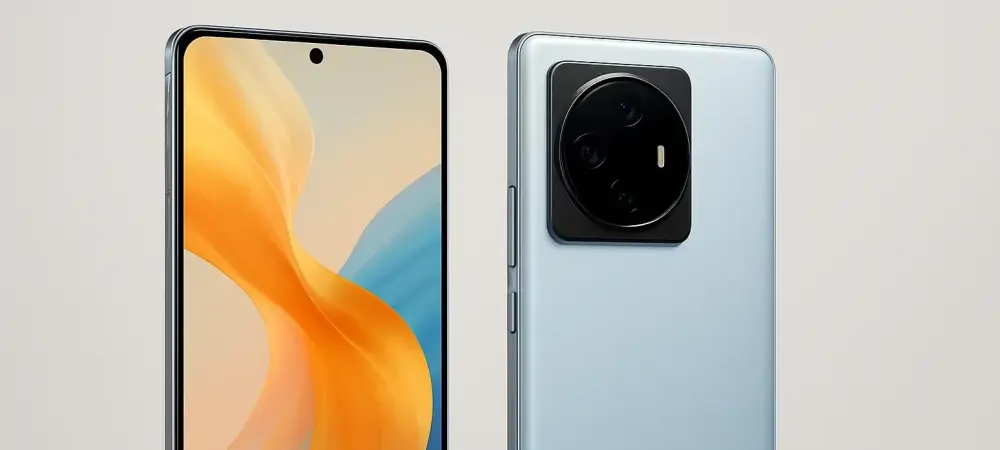
In the fiercely competitive landscape of premium smartphones where every specification is scrutinized, the emergence of a new device from a major player like Vivo warrants a closer examination of its strategic intent and technological prowess. The premium smartphone sector represents a significant and highly competitive part of the consumer electronics industry. This review will explore the anticipated Vivo X200T, analyzing its key specifications based on recent certifications and reports. The purpose of this review is to provide a thorough understanding of the device’s expected capabilities, its position within the market, and its potential impact upon launch.
Introduction to the Vivo X200T
The Vivo X200T first appeared on the industry’s radar through certifications bearing the model number V2561. Its listing on platforms like the Bluetooth SIG and the Bureau of Indian Standards (BIS) serves as a clear indicator of an impending launch. These certifications not only confirm the device’s existence but also place it firmly within the broader X200 family, alongside the forthcoming X200 and X200 Pro models. The presence of the V2561 model on the BIS website is particularly significant, strongly suggesting that India will be a primary market for the X200T. This move aligns with Vivo’s established strategy of targeting key growth regions with tailored product offerings. Consequently, the device is not just a technological showcase but also a calculated business decision aimed at capturing a specific segment of the Indian consumer base.
A Deep Dive into Core Specifications
Processing Power and Performance
At the heart of the Vivo X200T is the anticipated MediaTek Dimensity 9300+ chipset, a processor engineered for top-tier performance. This system-on-a-chip is expected to deliver exceptional speed and efficiency, making the device highly capable of handling intensive tasks such as high-fidelity gaming, 4K video editing, and seamless multitasking between demanding applications.
The significance of the Dimensity 9300+ extends beyond raw power; it positions the X200T to compete directly with other flagship devices in the market. Its performance benchmarks are expected to rival those of its main competitors, ensuring a smooth and responsive user experience that meets the high expectations of premium smartphone users.
Display and Visual Experience
The visual centerpiece of the X200T is projected to be a 6.31-inch 1.5K AMOLED display. This screen technology is renowned for its deep blacks and vibrant color reproduction, promising an immersive viewing experience for media consumption. The 1.5K resolution provides a sharp, detailed picture that strikes a balance between visual clarity and battery efficiency.
Furthermore, the inclusion of a 120Hz refresh rate is set to enhance the overall fluidity of the user interface. Scrolling through social media, navigating menus, and playing supported games will feel incredibly smooth and responsive. High brightness levels and excellent color accuracy will ensure the display remains legible and visually appealing even in direct sunlight.
Zeiss Branded Camera System
Vivo’s partnership with Zeiss is expected to continue with the X200T, lending a mark of optical excellence to its camera system. The device is rumored to feature a versatile triple rear camera setup, led by a 50MP main sensor designed to capture high-resolution, detailed images across various lighting conditions. This primary lens is complemented by a 50MP periscope telephoto camera, enabling high-quality optical zoom for capturing distant subjects without significant loss of detail. An 8MP secondary lens, likely an ultra-wide, rounds out the rear array. For self-portraits and video calls, a powerful 50MP front-facing camera is anticipated, ensuring sharp and vibrant results.
Battery Endurance and Charging Speed
One of the most notable rumored specifications for the Vivo X200T is its massive 6,500mAh battery. This substantial capacity is expected to provide exceptional endurance, easily lasting through a full day of heavy use and potentially extending into a second day with more moderate usage patterns. This focus on battery life addresses a key pain point for many smartphone users.
To complement the large battery, the device is expected to support 90W fast charging. This technology will significantly reduce downtime, allowing users to replenish a large portion of the battery in a matter of minutes. The combination of a large battery and rapid charging makes the X200T a potentially compelling option for users who prioritize power and convenience.
Build Quality and Design Language
The Vivo X200T is anticipated to adhere to the latest standards of smartphone durability, featuring high-level IP68 and IP69 ratings. These certifications signify robust protection against dust ingress and water submersion, providing users with peace of mind in various environmental conditions. This level of resilience is increasingly becoming a standard expectation in the premium segment.
This emphasis on durability directly influences the phone’s design philosophy, suggesting a device that is not only aesthetically pleasing but also built to withstand the rigors of daily life. The integration of such protective features showcases a commitment to longevity and quality, reinforcing the premium positioning of the X200T.
Market Strategy and Positioning
Speculation surrounding the X200T points to an interesting market strategy, with many reports suggesting it may be a rebranded version of the Vivo X200 FE. If true, this approach would allow Vivo to leverage a single hardware platform across different markets under varied branding, potentially optimizing production and marketing costs. Its placement as a ‘T’ or ‘FE’ model within the X200 series suggests a strategic effort to offer a near-flagship experience at a more competitive price point than the main X200 and X200 Pro. The BIS certification confirms its targeting of the Indian market, where such value-oriented premium devices often find significant success.
Challenges and Competitive Landscape
Despite its promising specifications, the Vivo X200T will face a crowded and challenging market. It will have to compete against established flagships from industry giants, which have strong brand loyalty and extensive marketing reach. Differentiating itself in such an environment will require a clear and compelling value proposition.
The rebranding strategy, while potentially efficient, could also introduce market confusion if not communicated clearly. Moreover, certain hardware choices, such as the 8MP secondary camera, might be perceived as a compromise compared to competitors who may offer higher-resolution sensors across their entire camera array, creating a potential hurdle in spec-focused comparisons.
Future Outlook for the X200 Series
The launch of the Vivo X200T could have a lasting impact on the trajectory of the entire X200 series and Vivo’s broader market strategy. A successful debut would validate the ‘T’ branding as a viable approach for delivering flagship-level features to a wider audience, potentially paving the way for similar models in future generations.
This device’s performance in the market will be a key indicator of consumer appetite for value-focused flagships. Its success could bolster Vivo’s market share in the premium segment, particularly in crucial regions like India, and solidify its reputation as a brand that can effectively compete on both innovation and strategic pricing.
Concluding Thoughts
The analysis of the Vivo X200T’s anticipated specifications revealed a device engineered with a clear strategic purpose. It presented a formidable package of processing power, camera technology, and battery endurance that positioned it as a strong contender in the premium smartphone market. However, its success was not guaranteed. The competitive landscape and potential for market confusion from its branding strategy posed significant challenges. Ultimately, its impact hinged on Vivo’s ability to effectively communicate its unique value proposition to consumers in a crowded and discerning marketplace.