

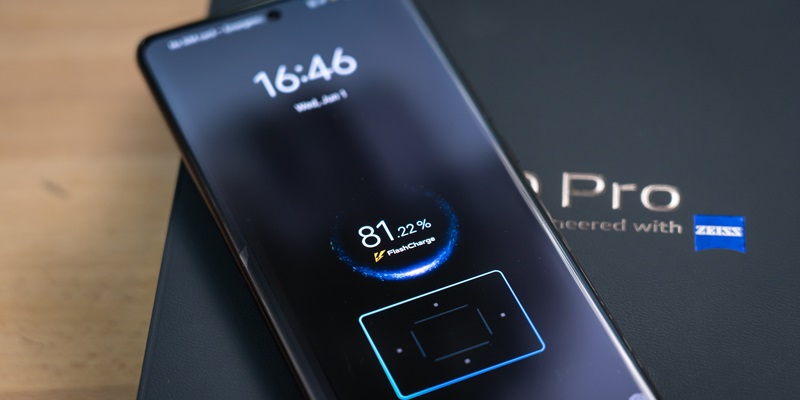
Vivo, a prominent smartphone manufacturer, has announced the global launch date for its highly anticipated Vivo X100 series. This comes a few weeks after the flagship phones made their debut in China, generating excitement among tech enthusiasts worldwide.
Processor and Camera
At the heart of the Vivo X100 series is the cutting-edge MediaTek Dimensity 9300 chip. This flagship processor ensures seamless performance, enabling users to handle demanding tasks with ease. Additionally, Vivo has co-engineered the triple rear camera setup with industry leader Zeiss, ensuring exceptional image quality and precise capturing capabilities.
Fast Charging Capabilities
One standout feature of the Vivo X100 and X100 Pro is their impressive fast charging capabilities. Users will have the convenience of 120W and 100W wired fast charging, allowing them to quickly power up their devices and minimize downtime.
Official Launch Date
The official launch date for the Vivo X100 series has been revealed. The landing page for the launch event has been updated, indicating that the handsets will be unveiled to the global market on December 14. This eagerly awaited event promises to showcase the full potential of these flagship smartphones.
Software and Color Options
The Vivo X100 and X100 Pro run on the latest Android 14-based OriginOS 4, offering a highly intuitive user experience. Additionally, these smartphones are available in multiple colorways, allowing users to select a device that perfectly matches their personal style.
Display Features
Both the Vivo X100 and X100 Pro feature stunning 6.78-inch AMOLED 8T LTPO curved displays. With a refresh rate of up to 120Hz and a peak brightness of 3,000 nits, users can expect seamless scrolling, smooth animations, and vivid visuals. Whether gaming, streaming, or simply browsing, these displays will captivate your senses.
Performance and Memory
To ensure lag-free performance, Vivo has equipped both models with the advanced 4nm Dimensity 9300 chipset. Paired with up to a whopping 16GB of RAM, users can expect lightning-fast app launches, effortless multitasking, and smooth navigation through their favorite apps and games.
Camera Specifications
The Vivo X100 boasts a powerful 50-megapixel primary camera and a 64-megapixel telephoto camera. These impressive sensors capture images with exceptional clarity and detail. On the other hand, the Pro model takes things a step further, featuring a 50-megapixel primary sensor and a 50-megapixel periscope telephoto camera, allowing users to zoom in without compromising image quality. Both models also offer a 50-megapixel ultra-wide-angle camera, ensuring stunning panoramic shots.
Biometric Authentication
Ensuring data and device security, both the Vivo X100 and X100 Pro come equipped with an in-display fingerprint scanner. This feature allows for seamless and secure biometric authentication, letting users unlock their phones with just a touch.
With the global launch date approaching, tech enthusiasts around the world are eagerly anticipating the introduction of the Vivo X100 series. Packed with powerful features, from the top-notch processor and exceptional cameras to fast charging capabilities and immersive displays, these flagship phones promise to deliver an extraordinary user experience. Stay tuned for the official launch on December 14th and get ready to embark on a new era of smartphone innovation with Vivo’s X100 series.