

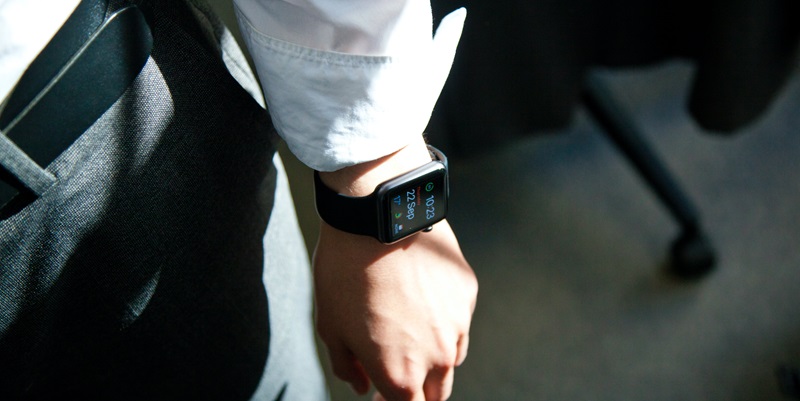
Affordable health and sports monitoring watches have gained popularity in recent years, offering individuals the ability to track their fitness goals and monitor their overall well-being without breaking the bank. The Amazfit Bip 3 and Bip 3 Pro are two such options that provide excellent features at an affordable price point. In this article, we will compare the two watches, highlighting their similarities and differences to help you make an informed decision.
GPS Availability
One significant distinction between the Amazfit Bip 3 and Bip 3 Pro lies in their GPS capabilities. The Bip 3 Pro comes equipped with built-in GPS, allowing you to accurately track your outdoor activities without needing to carry your smartphone. On the other hand, the Bip 3 does not have a built-in GPS, meaning it relies on your smartphone for GPS data during outdoor exercises. If you prioritize precise GPS tracking, the Bip 3 Pro is the better option for you.
Additional Sports Mode
If open water swimming is a prominent part of your fitness routine, the Bip 3 Pro offers an exclusive sports mode for this activity. This feature allows you to effectively monitor your swimming performance, distance covered, and calories burned.
Display and Compatibility
Both the Amazfit Bip 3 and Bip 3 Pro feature a 1.69-inch screen, offering a clear and vibrant display for easy reading of your health and sports data. Moreover, these watches offer an impressive battery life of up to 14 days, ensuring you won’t have to worry about frequent recharging. Furthermore, they are compatible with both Android and iOS devices, enabling effortless synchronization of data with your smartphone.
Health Tracking Features
Monitoring your health is made easier with the Amazfit Bip 3 and Bip 3 Pro. Both watches offer heart rate monitoring, allowing you to keep an eye on your heart health during workouts and daily activities. Additionally, they feature blood oxygen measurement, providing insights into your oxygen levels and overall fitness. Furthermore, sleep tracking capabilities are included, enabling you to analyze your sleep patterns and make improvements for better rest and recovery.
Design and Weight
Portability and comfort are key factors to consider when choosing a smartwatch. Both the Amazfit Bip 3 and Bip 3 Pro are designed to be lightweight, ensuring long-wearing comfort throughout the day. While the difference in weight is minimal, the Bip 3 is slightly lighter than the Bip 3 Pro, providing an advantage for individuals seeking a sleek and lightweight option.
Color Options
Personal aesthetics play a role in selecting the perfect smartwatch. The Amazfit Bip 3 is available in three attractive colors: black, pink, and blue, ensuring you have options to match your style. On the other hand, the Bip 3 Pro comes in black and cream, allowing for a more subtle and versatile look.
Water Resistance and Sports Modes
Both the Amazfit Bip 3 and Bip 3 Pro offer a water resistance rating of up to 5 ATM, making them suitable for swimming and water-based activities. Additionally, they come equipped with a wide range of sports modes, ensuring you can track various activities accurately, including running, cycling, treadmill, and more.
Price Difference
The price difference between the Amazfit Bip 3 and Bip 3 Pro varies, typically ranging from 10 to 20 euros, depending on ongoing offers and promotions. Considering the additional features such as GPS and open water swimming mode offered in the Bip 3 Pro, it may be worth the extra investment for those seeking enhanced functionality.
Choosing between the Amazfit Bip 3 and Bip 3 Pro depends on your specific needs and priorities. If you require built-in GPS for accurate outdoor tracking and prefer access to the open water swimming mode, the Bip 3 Pro is the better choice. However, if GPS is not a crucial factor for you and you’d like to save a few euros, the Bip 3 offers an excellent set of features at a slightly lower price. Regardless of your decision, both watches provide exceptional health and sports monitoring capabilities, long battery life, and compatibility with your smartphone. Consider your budget and requirements to make an informed choice that aligns with your lifestyle and goals.