

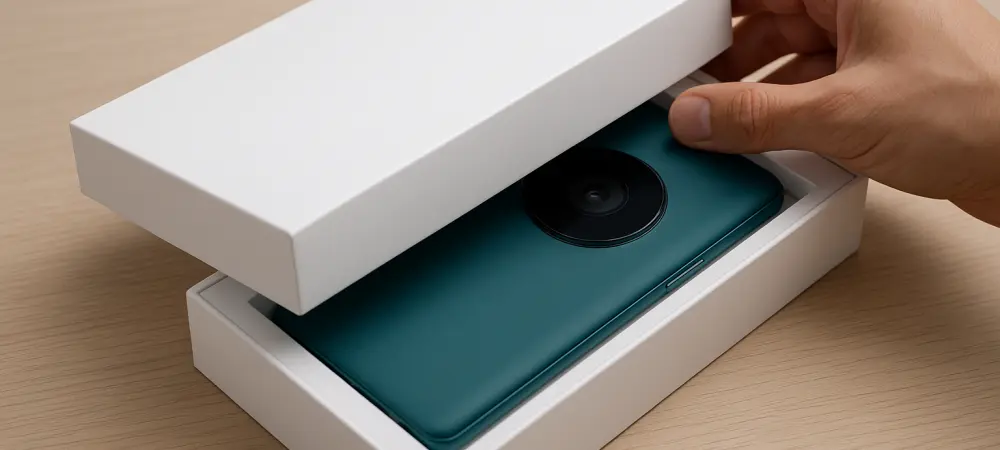
The X Fold6 was introduced to the Indian market as part of a larger hardware rollout that also included the V80 smartphone and the S2 FE mobile device. This significant expansion of the mobile portfolio occurred during the high-profile Vivo NEXT event, where the brand showcased its latest advancements in foldable technology and mixed reality hardware. While the foldable segment has seen rapid growth recently, this specific release emphasizes a refined aesthetic and a more mature approach to high-end mobile productivity. The spotlight remained firmly on the Nebula Teal variant, a colorway that represents a departure from the more traditional industrial tones often seen in the flagship category. By focusing on a sophisticated blend of art and engineering, the manufacturer aims to capture a demographic that values both visual flair and cutting-edge performance. This launch serves as a pivotal moment in the current product cycle, signaling a robust commitment to the premium Indian market segment.
Aesthetic Refinement and Packaging Standards
Part 1: Visual Identity of the Nebula Teal Finish
The Nebula Teal model distinguishes itself through a daybreak-inspired aesthetic that moves away from the tactile vertical ridges found on the alternative Prism Black version. This variant features a smooth, matte-finished glass back that has been engineered to be exceptionally resistant to fingerprint smudges and oils, maintaining a clean appearance even after heavy daily use. When exposed to different lighting conditions, the surface exhibits a dynamic range of teal and blue shades, creating a visual depth that enhances the premium feel of the device. A noteworthy detail in this iteration is the integration of a default wallpaper specifically color-matched to the chassis, which fosters a more cohesive design language compared to previous models. The hinge mechanism also feels more streamlined, contributing to a thinner overall profile when the device is folded. This careful attention to external textures ensures that the hardware is as much a fashion statement as it is a professional tool.
Part 2: Retail Experience and Accessory Strategy
In an industry where retail packages are becoming increasingly minimalist, the unboxing experience for this flagship remains comprehensive and decidedly luxury-oriented. The manufacturer has opted to include a high-capacity 100W power adapter directly in the box, sparing consumers the additional expense and inconvenience often associated with modern premium smartphone purchases. Alongside the charging brick, users find a high-quality, color-matched translucent protective case that features a rubberized grip for improved handling. This case is designed to complement the Nebula Teal color without obscuring its unique visual properties, ensuring that the device remains protected from the moment it is removed from the packaging. A durable charging cable and the necessary documentation complete a set that emphasizes value-added service. This approach highlights a strategy of maintaining a complete ecosystem within the retail box, which contrasts sharply with the trends seen among other major competitors.
Engineering and Market Presence
Part 3: Display Engineering and Imaging Systems
The internal architecture of the device showcases a dual-display setup utilizing LTPO 8T AMOLED technology, with a 6.51-inch external screen and an expansive 8.02-inch folding internal panel. Both displays achieve a local peak brightness of 5,000 nits, ensuring exceptional visibility across all lighting environments. However, the biometric system has shifted to a side-mounted scanner, a notable change from the in-display sensors of the previous generation. Complementing the visual hardware is a professional-grade imaging suite developed in partnership with ZEISS. The circular camera island houses a 200MP Samsung HPB primary sensor, a 50MP APO telephoto lens, and a 50MP ultrawide sensor, all protected by the signature T* coating. While the size of the camera module impacts one-handed ergonomics, the inclusion of high-end optical components provides users with a versatile tool for photography. This hardware synergy ensures the device remains a top-tier contender in the premium segment.
Part 4: Strategic Conclusion and Practical Insights
Market availability for this flagship was set with a singular, high-performance configuration featuring 12GB of RAM and 512GB of internal storage. Priced at INR 219,999, the device targeted the upper echelon of the Indian mobile market, with sales commencing on October 13 through various official and third-party retail channels. Consumers who sought the unique daybreak-inspired Nebula Teal finish found that the device balanced luxury with high-end utility. Strategic next steps for prospective owners involved evaluating the shift in fingerprint sensor placement and testing the ergonomics of the large camera housing during hands-on sessions. Organizations prioritized the robust ZEISS imaging capabilities for professional field use, while individual users focused on the longevity of the foldable LTPO displays. Ultimately, the release provided a comprehensive solution for those requiring a versatile hybrid device, setting a clear benchmark for the evolution of foldable technology in the current era.