

Introduction
When mobile technology reaches a point where the lines between professional computing and handheld convenience blur entirely, the arrival of a device like the OnePlus 16 becomes a defining moment for the industry. This flagship smartphone represents a massive leap over previous iterations, prioritizing long-term endurance and raw processing power to meet the needs of modern users. In 2026, the demand for hardware that can keep pace with artificial intelligence and high-fidelity media is higher than ever, making this release particularly significant.
The objective of this exploration is to answer the most pressing questions regarding the device and to examine how its specific features address current technological challenges. Readers can expect a detailed breakdown of the internal architecture, battery innovations, and the sophisticated camera system. By looking at the handset through the lens of performance and durability, one can understand its role in shaping the current smartphone landscape.
Key Questions or Key Topics Section
As hardware requirements for mobile applications continue to escalate, manufacturers are forced to rethink the balance between efficiency and power. The OnePlus 16 addresses these concerns by integrating a set of components that push the boundaries of what is possible in a pocket-sized device. This section explores the specific advancements that allow the handset to maintain its peak performance under heavy workloads.
Beyond mere speed, the focus has shifted toward creating a more resilient and sustainable user experience through better battery density and structural integrity. Each design choice reflects a commitment to longevity, ensuring that the device remains a reliable tool for both work and leisure over several years. The following questions highlight the key concepts that define this new standard in mobile engineering.
What Makes the Internal Hardware of the OnePlus 16 So Powerful?
The heart of this technological shift is the Qualcomm Snapdragon 8 Elite chipset, which is an octa-core processor built on a cutting-edge 2nm process. This architecture allows the system to reach clock speeds of up to 5.01GHz, providing a level of responsiveness that was previously reserved for desktop machines. By moving toward a smaller node, the chipset significantly reduces energy waste while increasing the throughput for complex computational tasks. This processing power is complemented by up to 16GB of LPDDR5x RAM and a massive 1TB of UFS 4.1 onboard storage, which minimizes bottlenecks during data-heavy operations. The synergy between high-speed memory and the 2nm silicon ensures that multitasking remains fluid even when running multiple resource-intensive applications. Such hardware is designed to handle the evolving demands of modern software and high-definition content creation.
How Does the Battery System Change the User Experience?
Longevity is redefined through the inclusion of a 9,000mAh battery, a capacity that sets a new industry standard for flagship smartphones. This massive energy reservoir addresses the primary concern of power-hungry displays and constant connectivity, allowing users to go longer between charges than ever before. It provides a sense of security for those who rely on their phones for navigation, communication, and professional tasks throughout the day. To manage this large capacity, the device supports 100W wired and 50W wireless fast charging, ensuring that downtime remains minimal. The internal charging circuitry is optimized to prevent overheating and to maintain the health of the battery cells over extended periods. This balance of high capacity and rapid replenishment ensures that the device remains ready for use at a moment’s notice.
What Visual and Durability Upgrades Does This Model Offer?
The visual experience is centered around a 6.78-inch AMOLED panel that boasts a record-breaking 185Hz refresh rate and a peak local brightness of 2,000 nits. This high refresh rate results in incredibly smooth transitions and animations, which is a major benefit for both gamers and everyday users. The high brightness levels ensure that the screen remains legible under direct sunlight, removing a common frustration associated with outdoor use. In terms of physical resilience, the handset features comprehensive IP66, IP68, IP69, and IP69K ratings for dust and water resistance. These certifications mean the device can withstand not only temporary immersion but also high-pressure water jets and harsh environmental conditions. Such robust protection ensures that the premium internal components are shielded from the elements, prolonging the life of the hardware.
How Does the Device Cater to Professional Gamers and Photographers?
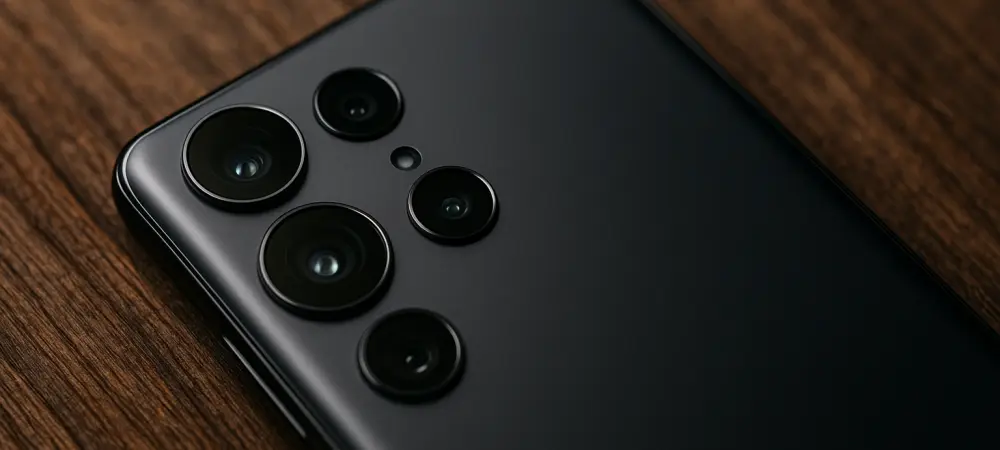
For mobile photography enthusiasts, the triple-camera array led by a 200-megapixel primary sensor offers exceptional detail and clarity. The dual-axis optical image stabilization helps in capturing sharp images and stable video even in challenging lighting or during movement. Supported by 50-megapixel ultrawide and telephoto lenses, the system provides a versatile toolkit for capturing everything from vast landscapes to distant subjects. Mobile gaming is enhanced by a specialized tri-gaming chip setup that optimizes display performance and network stability. This dedicated hardware works independently to reduce touch latency and maintain a consistent connection during online play. Running on ColorOS 17 based on Android 17, the software environment provides a tailored experience that prioritizes gaming resources, ensuring a competitive advantage for users.
Summary or Recap
The OnePlus 16 has officially debuted with a focus on extreme performance, massive battery capacity, and high-end durability. With its Snapdragon 8 Elite 2nm chipset and 9,000mAh battery, the device addresses the core needs of power users who require reliability and speed. The addition of a 185Hz refresh rate display and a 200-megapixel camera further solidifies its position as a top-tier flagship in the 2026 market. Pricing starts at CNY 5,999 for the 12GB/256GB model and goes up to CNY 8,499 for the 16GB/1TB configuration, reflecting the premium nature of the components. Available in colorways like Tomorrow’s Star and Dark Forest, the handset provides a comprehensive package for both productivity and entertainment. These insights suggest that the brand has successfully shifted its strategy to prioritize long-term hardware value.
Conclusion or Final Thoughts
The launch of the OnePlus 16 established a new benchmark for what a flagship device could achieve by integrating extreme battery life with desktop-level processing speeds. It demonstrated that engineering could overcome the traditional trade-offs between power consumption and performance. The engineers proved that high-pressure resistance and elite photography tools could coexist in a single, sleek form factor.
Users who considered this upgrade found themselves with a tool that was prepared for the increasingly demanding digital landscape. The device provided a glimpse into a future where the physical limits of mobile hardware no longer restricted the complexity of the tasks being performed. It encouraged a broader conversation about how much power a consumer truly needed for daily life.