

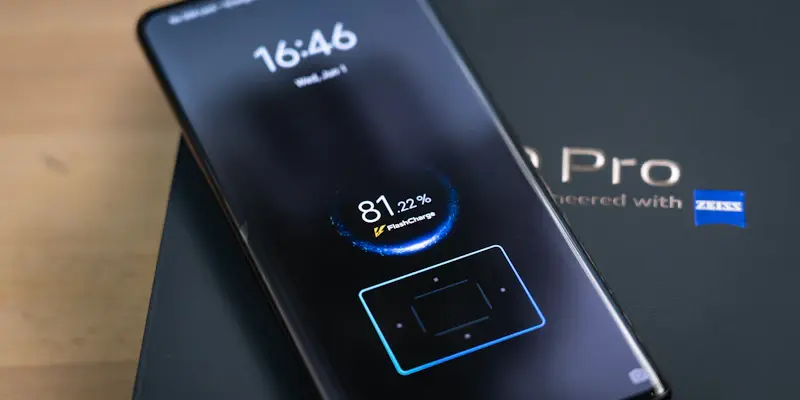
In the highly competitive mid-range smartphone market, manufacturers are constantly vying to strike the perfect balance between performance, design, battery life, and cost-efficiency. Recently launched, the Vivo V50 Lite 4G has managed to capture attention with its impressive battery capacity, sleek design, and advanced display features while housing an older processor under the hood. This particular amalgamation makes it a point of interest for tech enthusiasts and everyday users alike.
Design and Build Quality
Sleek and Slim Aesthetic
The Vivo V50 Lite 4G boasts a slim 7.8 mm thick body that promises both aesthetic appeal and practical usability. Coupled with an IP65 rating for water resistance, this device ensures protection against the occasional splash or dust ingress, making it suitable for various environments and activities. The lightweight design does not compromise the phone’s overall durability and gives it a sophisticated look that easily fits into the user’s palm, making it convenient for one-handed use.
Impressive Battery Life
One of the highlights of the Vivo V50 Lite 4G is its impressive 6,500 mAh battery, capable of fast charging at 90 watts via USB-C. This battery is designed to offer longevity, with a claim of lasting at least five years without significant degradation. While it lacks wireless charging capabilities, the fast charging feature ensures that users can quickly juice up their devices when needed. This combination of battery size and fast charging is especially beneficial for heavy smartphone users who rely on their devices throughout the day without frequent stops to recharge.
Display and Camera Quality
High-Brightness AMOLED Display
The V50 Lite 4G features a 6.77-inch AMOLED display that operates at a 120 Hz refresh rate. This high refresh rate ensures smooth scrolling and an enhanced viewing experience, particularly for gaming and video playback. The display’s peak brightness of 1,800 nits and a full-screen brightness of 1,300 nits make it easily readable in bright sunlight, providing vibrant colors and deep contrasts that AMOLED panels are known for. This display quality elevates the overall visual experience, making it one of the device’s standout features.
Advanced Camera System
On the camera front, the Vivo V50 Lite 4G does not disappoint. The front of the device is equipped with a 32 MP selfie camera that caters to the needs of selfie enthusiasts and video callers. At the back, the phone features a dual-camera setup, including a 50 MP main camera with the Sony IMX882 sensor and an 8 MP ultrawide camera. This combination provides versatility in photography, allowing users to capture high-resolution images and wide-angle shots with ease. The presence of such a capable camera system in a mid-range device adds significant value, making it an attractive option for those who prioritize photography.
Performance and Pricing
Older Snapdragon Processor
The most noticeable drawback of the Vivo V50 Lite 4G is its processor. It is powered by the Qualcomm Snapdragon 685, a 6 nm ARM chip introduced in 2020. This processor includes four Cortex-A73 performance cores and four Cortex-A53 efficiency cores, which were considered advanced for their time but now lag behind newer chipsets in terms of performance and efficiency. While this may not affect the everyday usage for most users, those seeking cutting-edge performance might find it lacking, particularly when handling demanding applications or gaming.
Market Availability and Cost
For those interested, the Vivo V50 Lite 4G is currently priced at ₺18,999 in Turkey, which translates to approximately $518. The device is equipped with 8 GB of memory and 256 GB of storage, offering ample space for most users’ needs. Although a global launch is anticipated, details on pricing and availability in other regions have yet to be confirmed. This pricing places the V50 Lite 4G in a competitive position within the mid-range segment, where it stands out due to its design and battery life despite the older processor.
Conclusion
In the fiercely competitive mid-range smartphone market, manufacturers are in a relentless race to achieve the ideal mix of performance, stylish design, battery life, and cost-effectiveness. The recently launched Vivo V50 Lite 4G has successfully garnered attention due to its remarkable battery capacity, sleek appearance, and advanced display features. However, it comes with an older processor, which is an interesting choice that stands out in the market.
This unique combination makes the Vivo V50 Lite 4G an intriguing option for both tech enthusiasts and everyday users. Its large battery ensures prolonged usage, and the sophisticated design appeals to fashion-conscious consumers. The advanced display features provide an excellent viewing experience, making it suitable for media consumption, web browsing, and gaming. Despite housing an older processor, the device promises smooth performance for most daily tasks, balancing affordability with essential features that users look for in a mid-range smartphone. Hence, it is capturing significant interest in the highly competitive market.