

Introduction
The rapid evolution of foldable technology has finally reached a point where high-performance computing and professional-grade photography can coexist within a single sleek chassis. Vivo has officially introduced the X Fold 6, a device that promises to redefine the standards of the premium foldable segment through its strategic launch in China. This handset serves as a testament to the progress made in hardware miniaturization and the growing influence of artificial intelligence in daily workflows.
This article explores the technical advancements and design choices that differentiate this model from its predecessor. Readers can expect a thorough analysis of its internal processing capabilities, imaging breakthroughs, and the software ecosystem that supports large-screen multitasking. By examining these core components, the significance of this release becomes clear for both tech enthusiasts and professional users.
Key Questions or Key Topics Section
What Makes the MediaTek Dimensity 9500 Super Edition Unique for Foldables?
Historically, foldable devices faced significant challenges regarding thermal management and battery efficiency while attempting to match the raw power of traditional flagship phones. The X Fold 6 addresses these hurdles by integrating a custom-designed 3nm MediaTek Dimensity 9500 Super Edition chipset specifically optimized for this unique form factor. This piece of silicon ensures that users do not have to sacrifice performance for portability. Beyond mere speed, the chipset marks a significant leap in artificial intelligence processing by delivering a 111 percent increase in peak NPU performance. This hardware shift toward AI-centric architecture allows the device to handle complex computational tasks and real-time data processing more efficiently than previous generations. Such a massive boost in neural processing suggests that the device is built for a future where local AI assistance becomes an essential part of the mobile experience.
How Does the 200MP Camera Redefine Photography in the Foldable Market?
For years, consumers often had to choose between the innovative design of a foldable screen and the superior image quality provided by high-end traditional smartphones. Vivo aims to eliminate this compromise by introducing a quad-rear-camera system anchored by a massive 200-megapixel primary sensor. This collaboration with Samsung highlights a commitment to bringing professional imaging standards to the foldable world. The sensor features a 1/1.4-inch size and a wide f/1.68 aperture, complemented by advanced optical image stabilization to ensure clarity even in challenging lighting conditions. As part of the Blueprint imaging initiative, the X Fold 6 utilizes these hardware strengths to produce photos with exceptional detail and dynamic range. This development effectively positions the device as a legitimate tool for creators and photography enthusiasts who require versatility.
What Software Innovations Are Powering the Large-Screen Productivity Suite?
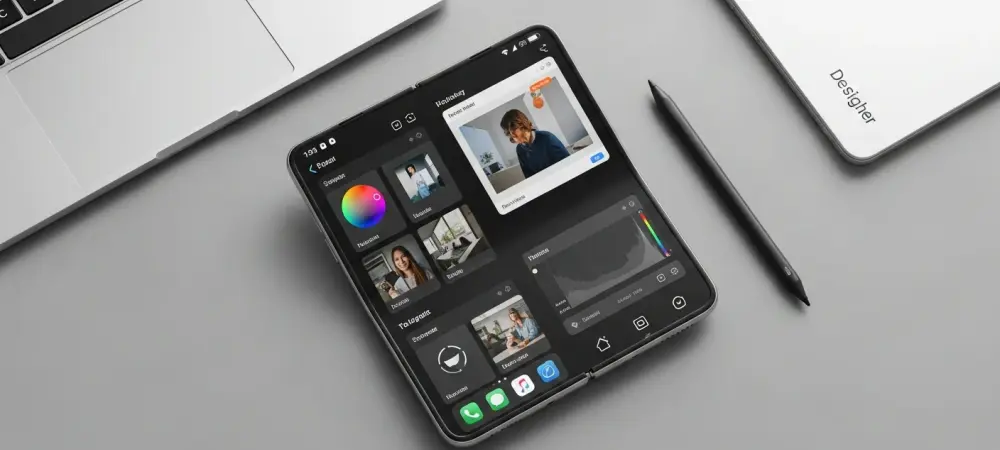
Hardware alone cannot define a premium foldable experience, as the software must be intelligently designed to take full advantage of the expansive interior display. To meet this demand, the X Fold 6 debuts with OriginOS 6 Fold, which is built upon the robust Android 16 platform. This operating system focuses specifically on enhancing the large-screen experience through a series of productivity-focused tools. The introduction of the Atomic Workbench and the AI Light Office Tool suite allows for seamless multitasking and improved workflow management across different applications. These features enable users to manipulate multiple windows simultaneously, transforming the device from a simple phone into a functional mobile office. By streamlining how data is shared and viewed, the software ensures that the physical screen real estate is used to its maximum potential.
Summary or Recap
The arrival of the Vivo X Fold 6 signals a new era for foldable smartphones where hardware limitations are rapidly becoming a thing of the past. From the 200-megapixel camera system to the 3nm processing power, every component works in harmony to provide a premium user experience. The integration of high-level AI capabilities and a refined software ecosystem further solidifies its position as a market leader.
These advancements demonstrate that the foldable market is moving toward a stage of maturity where utility matches innovation. Users now have access to a device that balances aesthetic elegance with the raw power required for modern digital tasks. This synthesis of technology provides a comprehensive tool for anyone looking to maximize their mobile efficiency.
Conclusion or Final Thoughts
The launch of the X Fold 6 successfully demonstrated how far mobile engineering advanced in a relatively short period. While early adopters secured their pre-reservations, the broader market watched as foldable technology transitioned from a luxury novelty to a productivity powerhouse. Future considerations focused on how these AI-driven features eventually influenced standard mobile designs across the entire industry.
As users integrate these devices into their daily routines, the focus shifted toward optimizing software for increasingly complex AI workloads. This progression suggested that the next phase of mobile innovation would prioritize intelligent automation over simple hardware iterations. The impact of such a device encouraged a reevaluation of what a smartphone could achieve in a professional setting.