

The landscape of mobile photography is shifting once again as Vivo prepares to bring its most ambitious flagship hardware to the Indian market through the X300 series. This arrival follows immense anticipation fueled by international showcases at MWC and successful regional launches that highlighted significant leaps in optical engineering and silicon efficiency. By establishing dedicated microsites on major retail platforms, the brand signals its readiness to challenge the established premium hierarchy with devices that blend professional-grade imaging with massive battery capacities.
This guide explores the specific nuances of the upcoming launch, detailing the hardware differences between the models and the expected market positioning. Readers will find clarity on how these handsets differ from their predecessors and what the technological advancements mean for daily performance and professional creativity.
Key Questions and Technological Insights
What Distinguishes the Design and Imaging of the Ultra and FE Models?
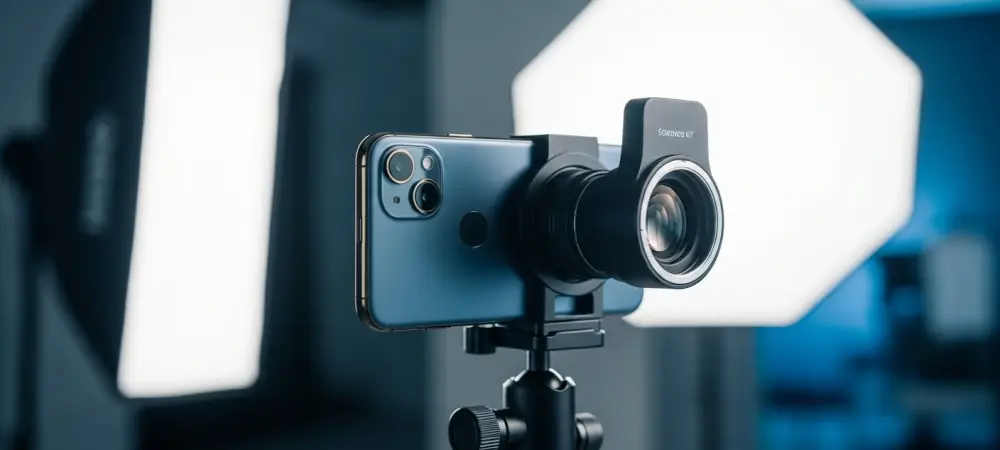
The visual identity of the X300 series is defined by its sophisticated camera housings, which serve both aesthetic and functional purposes. The X300 Ultra takes a bold approach with a large circular module that houses a Zeiss-tuned triple rear camera system designed for high-end enthusiasts. Most notably, this model supports a specialized external telephoto converter kit, allowing users to extend the physical capabilities of the lens toward professional photography standards.
In contrast, the X300 FE offers a distinct look with a horizontal pill-shaped camera island, providing a sleek alternative while maintaining the premium Zeiss partnership. While both devices inherit the design language seen in global markets, their internal configurations cater to different user priorities. The Ultra model is clearly built for those who prioritize optical versatility, whereas the FE provides a streamlined flagship experience without sacrificing the core photographic DNA of the series.
How Do the Performance Specs and Battery Life Compare?
Under the hood, these devices utilize the latest 3nm architecture to provide unmatched processing power and thermal efficiency. The X300 Ultra features the Snapdragon 8 Elite Gen 5 chipset, paired with a massive 6,600mAh battery to ensure longevity even under heavy creative workloads. This combination allows for intensive tasks like high-resolution video editing and 3D rendering to occur with minimal throttling or power drain. The X300 FE remains a formidable contender by employing the Snapdragon 8 Gen 5 processor and a slightly smaller 6,500mAh cell. Both handsets represent a significant jump in battery density compared to previous generations, addressing a long-standing demand from power users for multi-day endurance. These specifications ensure that whether a user chooses the top-tier Ultra or the more accessible FE, they receive a device capable of handling the most demanding applications available in the current ecosystem.
What Is the Expected Pricing and Market Strategy for India?
Vivo is positioning the X300 series to compete directly in the luxury and high-performance segments, with pricing reflected by the advanced components used. Based on international trends, the X300 Ultra is expected to enter the market as a premium investment, with costs estimated between Rs. 95,900 and over Rs. 123,000 depending on the chosen storage tier. This puts it in direct competition with the most expensive flagships currently available, targeting a demographic that values cutting-edge innovation. The X300 FE serves as a strategic entry point into the flagship world, with early estimates placing its price around Rs. 71,000. This tiered pricing strategy allows the brand to capture a wider audience, from professional content creators to tech-savvy professionals. By bringing these specific configurations to India, the company demonstrated a clear commitment to providing high-performance silicon and sophisticated optical engineering to one of the most competitive mobile markets.
Summary: A New Standard for Flagships
The upcoming release of the X300 Ultra and X300 FE solidified the brand’s reputation for pushing the boundaries of mobile technology through meaningful hardware integration. The series combined the raw power of next-generation 3nm chipsets with substantial battery improvements that effectively eliminated the need for mid-day charging. Furthermore, the specialized Zeiss optics and telephoto expansion options offered a level of creative freedom previously reserved for dedicated camera equipment.
Final Thoughts: Navigating the Future of Mobile Innovation
As these devices become available, consumers should evaluate their specific needs for zoom capabilities and processing headroom to decide which model fits their lifestyle. Future considerations will likely involve how software updates further optimize the massive sensor arrays found in the Ultra model. For those looking to upgrade, staying informed about regional availability through official microsites remained the best way to secure these high-performance tools upon release.