

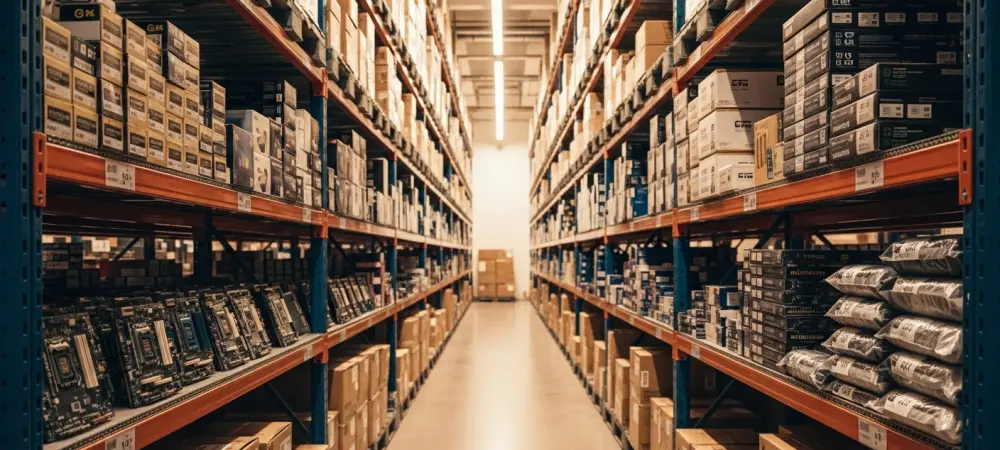
The dream of a seamless global transition to high-speed DDR5 memory has effectively collapsed under the weight of an economic reality that favors affordability over raw performance. While the industry typically pushes for the rapid adoption of newer standards, a phenomenon colloquially known as the “RAMpocalypse” has turned the market on its head. With DDR5 memory and high-speed storage prices reaching unprecedented levels, the economic feasibility of building a modern computer has shifted. This analysis explores how major hardware vendors are pivoting back to DDR4 production, the specific market drivers behind this resurgence, and what this means for the future of the DIY PC building community.
The Economic Shift Toward Legacy Hardware in a High-Cost Market
Building a computer today requires a degree of financial gymnastics that few consumers expected when the latest memory standards first debuted. Instead of the steady decline in prices typical of technological evolution, the market has encountered a massive financial wall that prevents entry-level and mid-range buyers from upgrading. Consequently, the industry is witnessing a pivot toward legacy hardware as a necessity rather than a luxury choice. This shift represents a fundamental restructuring of the consumer hardware hierarchy, where value dictates the manufacturing roadmap.
The Evolution of Memory Standards and the Current Pricing Crisis
Historically, memory transitions followed a predictable path where newer standards achieved price parity with their predecessors within two years. However, the current move toward DDR5 has broken this established mold due to manufacturing complexities and persistent global economic pressures. As of 2026, the industry is seeing an extreme divergence where the latest modules cost nearly five times more than the hardware they were meant to replace. This stagnation in price correction has created a barrier to entry that threatens the viability of the entire budget and mid-range PC building segments.
Navigating the RAMpocalypse: Why Older Standards Are Resurging
The Growing Pricing Chasm Between DDR4 and DDR5
The primary catalyst for the return to DDR4 is the sheer cost of entry for the newer standard. Currently, DDR5 modules command a massive premium, making it functionally impossible for consumers to assemble a capable gaming or productivity system for under $1,000. Data suggests that the real-world performance difference between high-end DDR4 and entry-level DDR5 does not align with a 400% price increase. Consequently, the market has seen a sharp uptick in demand for DDR4 as the only viable path for buyers who refuse to sacrifice other critical components like GPUs.
Platform Popularity and the Resilience of AM4 and LGA 1700
This price disparity has breathed new life into motherboard platforms that were once thought to be nearing the end of their lifecycles. AMD’s AM4 platform has surged back to nearly 40% in market popularity because the Ryzen 5000 series continues to offer a mature ecosystem with affordable memory options. Similarly, Intel’s LGA 1700 remains more relevant than the newer LGA 1851 in many regions. Because LGA 1700 motherboards offer the flexibility to use either DDR4 or DDR5, builders are overwhelmingly choosing the former to keep total system costs at a manageable level.
Strategic Refocusing Among Major Hardware Manufacturers
Recognizing that a purely DDR5-driven future is currently unsustainable for the mass market, more than half a dozen major vendors have officially shifted their production strategies. Industry giants like ASUS are significantly ramping up the manufacturing of new DDR4-compatible motherboards to meet this unexpected surge in demand. This is not merely a strategy to clear out old stock, but a deliberate move to design and release refreshed versions of older chipsets. Manufacturers are acknowledging a unified consensus that DDR4 is not obsolete but is a vital segment of the hardware industry.
Anticipating the Longevity of DDR4 in the Global Market
Looking ahead, the dominance of DDR4 is expected to persist much longer than industry analysts originally predicted. As long as DDR5 prices remain prohibitive, the current economic climate will shield older standards from phased-out status. Support for DDR4-based systems will likely continue well into the late 2020s, with manufacturers possibly introducing even more refined versions of existing platforms. Technological shifts may eventually lower costs, but the underlying trend is clear: the hardware market is currently value-driven rather than performance-driven, ensuring legacy support for years to come.
Best Practices for PC Builders in a Volatile Components Market
For consumers and professionals looking to build systems today, evaluating the total cost of ownership is more important than the allure of future-proofing. For mid-range gaming and general productivity, a high-quality DDR4-based system on a mature platform offers the most consistent return on investment. Businesses should consider the stability and lower failure rates of established technology when deploying large fleets of workstations. By opting for these proven standards, builders can reallocate saved funds into more impactful components, such as larger NVMe drives or more powerful graphics cards.
Conclusion: The Enduring Value of DDR4 in the Modern PC Landscape
The resurgence of older memory production proved that budget constraints ultimately dictated the pace of technological adoption. While newer standards represented the peak of performance, their astronomical prices rendered them a niche luxury for the global market. By ramping up the manufacturing of established components, vendors successfully stabilized an industry that was at risk of pricing out its most loyal customers. This shift ensured that DDR4 remained a necessary solution for maintaining a viable ecosystem, proving that innovation without affordability was an incomplete strategy.