

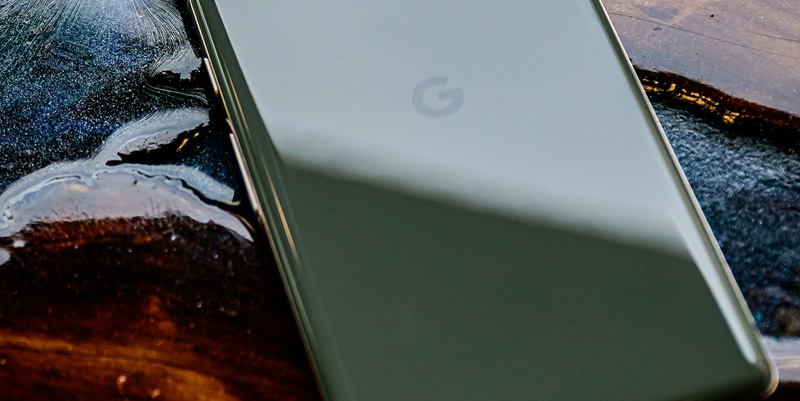
Google’s Pixel lineup has garnered a reputation for offering impressive features and top-notch performance. As we look ahead, the highly anticipated Pixel 8a is poised to make its debut in the smartphone market. In this article, we will delve into the expected release window and explore the potential features and pricing of this budget-friendly device.
Price Comparison: Pixel 7a vs Pixel 8a
The previous release, the Pixel 7a, gained popularity due to its affordability. With a $100 price difference, the Pixel 7a became an appealing option for budget-conscious consumers who were looking for a reliable device without breaking the bank. Some even questioned the necessity of having the A series Pixels in the Pixel lineup, considering the price similarities between the models.
Expected Price of Pixel 8a
Pricing is always a crucial factor in consumers’ purchasing decisions. With the Pixel 8a, we can expect Google to maintain its competitive pricing strategy. Speculations suggest that the Pixel 8a could be priced similarly to its predecessor, with a price point of $499. Nevertheless, some industry experts argue that Google may opt for a slightly higher price tag, possibly at $549, to account for any hardware upgrades.
Anticipated Features of Pixel 8a
The Pixel 8a is expected to feature Google’s Tensor G3 chipset, further enhancing the phone’s performance and power efficiency. However, it is unlikely that there will be any significant improvements in terms of refresh rate or wireless charging capabilities. While this may disappoint some users, the focus seems to be on delivering a reliable and cost-effective smartphone.
The Pixel 8a’s display size is projected to retain its 6.1-inch diagonal measurement. Nevertheless, we can anticipate minor upgrades in terms of display materials, which could lead to improved durability, color accuracy, and overall visual experience.
Storage Options of Pixel 8a
Like its predecessor, the Pixel 8a is expected to offer a single storage option of 128GB. While this might limit flexibility, it still provides ample space for most users, allowing them to store their precious memories, apps, and files without any constraints.
Camera Enhancements in Pixel 8a
The camera capabilities of the Pixel series have always been a strong selling point, and the Pixel 8a aims to maintain this reputation. Rumors suggest that the Pixel 8a may come with a larger ultrawide lens, promising improved macro focus and the ability to capture stunning close-up shots. This enhancement would be a notable upgrade from the Pixel 7a, providing users with more versatility in their photography endeavors. The Pixel 7a features 18W fast charging via cable and 7.5W wireless charging, and these features are anticipated to be carried over to the Pixel 8a. This means that users can enjoy quick and convenient charging options, ensuring their device is ready for whatever the day brings.
The Pixel 8a promises to offer a budget-friendly option in Google’s renowned Pixel lineup. With the potential for competitive pricing and the anticipated benefits of the Tensor G3 chipset and camera improvements, the Pixel 8a appears to strike a balance between affordability and performance. As we eagerly await its arrival in the smartphone market, consumers can look forward to an appealing device that meets their budget and needs.