

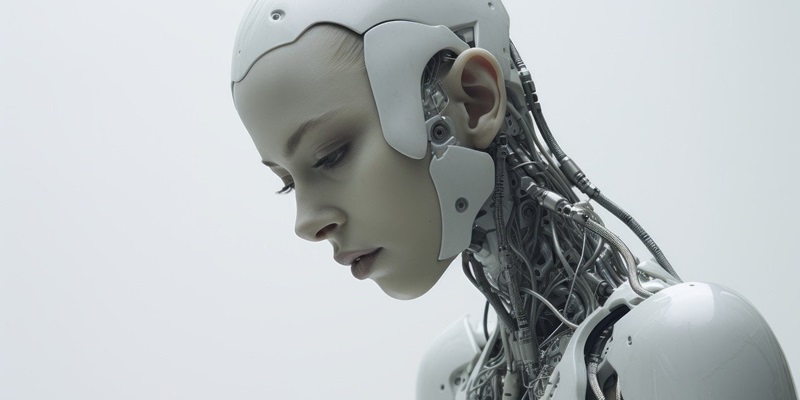
Automation has long been a driving force behind increased efficiency and productivity in industries worldwide. However, the collaboration between artificial intelligence (AI) and robotics is taking this process to an entirely new level. The fusion of AI and robotics has created machines capable of performing tasks with unparalleled precision, adaptability, and intelligence. This article will explore the profound impact of this synergy, delving into how it is reshaping industries, enhancing operational capabilities, and redefining the future of automation.
Unparalleled Precision and Adaptability: The Marriage of AI and Robotics
The integration of AI into robotics has revolutionized the capabilities of machines. By combining AI’s computational power with the physicality of robots, the result is a powerful combination of accuracy and versatility. Robots equipped with AI algorithms can analyze vast amounts of data in real-time, identify patterns, and make informed decisions accordingly. This ability enables robots to adapt and learn from their environment, improving their performance over time.
Empowering Robots with AI: Analyzing Data, Identifying Patterns, and Refining Performance
One of the key advantages of AI-driven robotics lies in their ability to analyze data. By harnessing machine learning algorithms, robots can process large datasets and extract valuable insights. They can identify patterns, anomalies, and correlations that may not be apparent to human operators. By continuously refining their performance based on this analysis, robots can become increasingly efficient and effective in their tasks.
A New Era of Flexibility, Precision, and Intelligence: Integration of AI into Robotics
With the integration of AI, robots are becoming more flexible and precise in their operations. They can handle complex tasks that require dexterity, such as assembling delicate components or performing intricate surgeries. AI algorithms enable robots to understand their environment, make informed decisions, and execute tasks with precision. This synergy of AI and robotics is ushering in a new era where machines can seamlessly adapt to evolving circumstances and perform tasks with human-like efficiency.
Collaborative Robots: Working Alongside Human Operators to Enhance Productivity and Safety
Collaborative robots, often referred to as cobots, are designed to work alongside human operators. These robots are equipped with AI capabilities that enable them to understand and respond to human instructions. Their advanced sensors and safety features ensure a safe working environment, reducing the risk of accidents. By collaborating with human operators, cobots enhance overall productivity, as they can handle repetitive or physically strenuous tasks, freeing up human workers to focus on more complex responsibilities.
Predictive Maintenance: AI algorithms enabling robots to minimize downtime
AI algorithms empower robots to predict maintenance needs, minimizing downtime and maximizing operational efficiency. By continuously monitoring their performance and analyzing data, robots can detect signs of wear and tear or potential malfunctions. This predictive maintenance approach allows for timely repairs or replacements, reducing the risk of unexpected breakdowns. Ultimately, this capability ensures that robots can operate at peak performance, optimizing productivity for businesses.
Streamlining Material Handling and Transportation: Autonomous Vehicles and Drones Powered by AI
AI-driven robotics also have a significant impact on material handling and transportation. Autonomous vehicles and drones powered by AI algorithms are revolutionizing logistics operations. These machines can optimize routes, avoid obstacles, and improve overall efficiency in delivery processes. By leveraging AI’s ability to process real-time data, these autonomous systems can make split-second decisions, resulting in faster, safer, and more efficient transportation of goods.
Extending Impact Beyond Manufacturing: AI and Robotics in Healthcare, Logistics, Construction, and Agriculture
The impact of AI and robotics extends far beyond manufacturing plants. In healthcare, robots can perform delicate surgeries with enhanced precision and assist healthcare providers in patient care tasks. In logistics, AI-powered systems can optimize warehouse operations, inventory management, and last-mile delivery. In construction, robots can automate repetitive tasks, enhancing productivity and reducing costs. In agriculture, robots can automate planting, harvesting, and monitoring, ensuring higher yields and sustainable farming practices. The integration of AI and robotics is transforming these industries, enhancing their operational capabilities.
Ensuring Responsible Deployment: Balancing Technological Advancement and Ethical Responsibility
As AI and robotics continue to advance, it is crucial to strike a balance between technological advancement and ethical responsibility. The responsible deployment of AI-driven robotics requires careful consideration of potential societal impacts, privacy concerns, and ethical dilemmas. Regulations and ethical frameworks must be in place to address issues surrounding job displacement, data privacy, and algorithmic bias. It is essential to ensure that AI and robotics are harnessed for the benefit of society while minimizing potential harm.
Complementary Role of Human Expertise: Emphasizing the Importance of Creativity, Critical Thinking, and Emotional Intelligence
While AI and robotics redefine automation, it is vital to emphasize the complementary role of human expertise. Human creativity, critical thinking, and emotional intelligence are irreplaceable qualities that cannot be replicated by machines. As machines take over repetitive and mundane tasks, human workers can focus on tasks that require complex problem-solving, creativity, and empathy. By leveraging the strengths of both humans and machines, we can achieve a harmonious and productive partnership that drives innovation and progress.
The collaboration between AI and robotics is reshaping industries and revolutionizing automation. The integration of AI capabilities into robots enhances their precision, adaptability, and intelligence. From collaborative robots to predictive maintenance and autonomous vehicles, AI-driven robotics is optimizing operational efficiency across various sectors. However, it is crucial to remain cognizant of ethical considerations and ensure responsible deployment. Ultimately, the future lies in harnessing the strengths of both AI and human expertise to drive innovation and create a better future.