

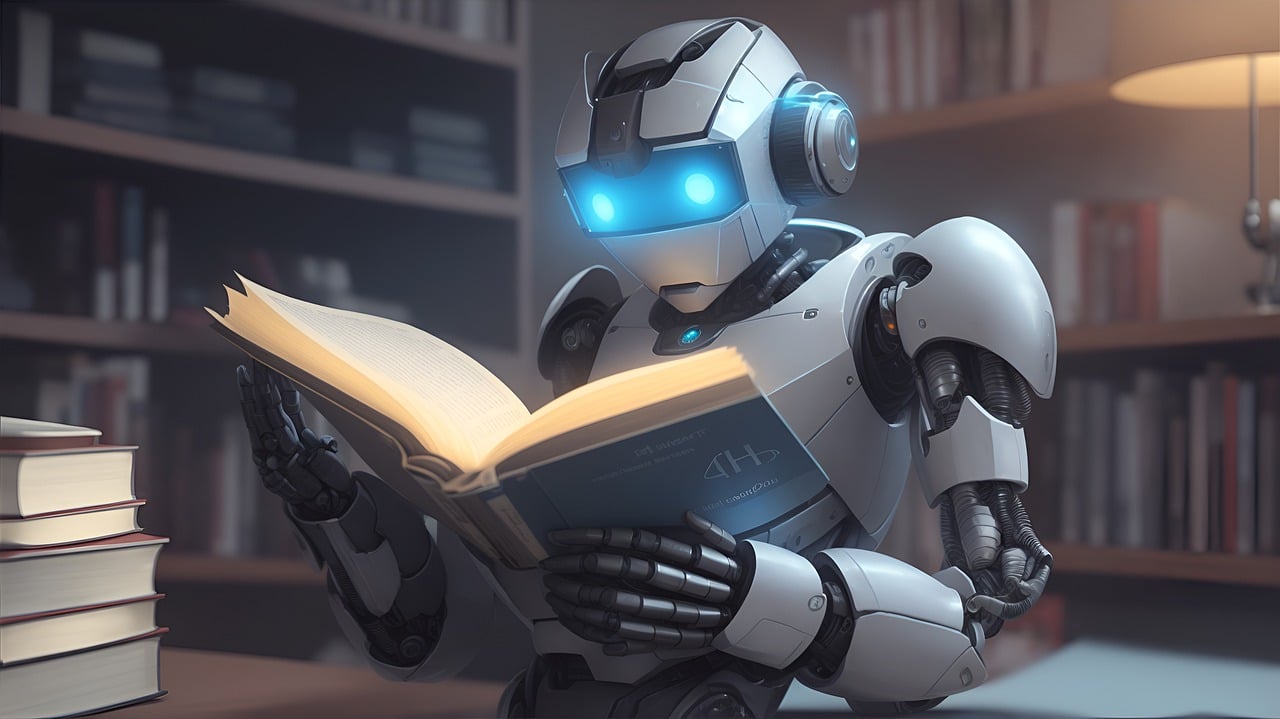
In the ever-evolving world of technology, artificial intelligence (AI) is revolutionizing every aspect of our lives, and education is no exception. Gone are the days of one-size-fits-all learning methods; AI-powered tools have emerged to personalize, enhance efficiency, and make education more engaging. From language learning platforms to study aids, these AI-driven tools are reshaping the way we learn and achieve our educational goals.
Duolingo’s Personalized Language Lessons
Duolingo, a leading language-learning platform, utilizes AI algorithms to tailor lessons to individual proficiency levels. By assessing your language skills through interactive exercises, quizzes, and tests, Duolingo provides personalized learning pathways that cater to your needs. With its adaptive nature, Duolingo ensures that you learn at a pace that is comfortable for you, reinforcing your strengths while addressing weaknesses.
Coursera’s AI Recommendations
Coursera, a renowned online learning platform, employs AI to recommend courses based on your interests, previous course history, and career goals. By analyzing vast amounts of data, including user preferences and course reviews, Coursera’s AI algorithms suggest relevant courses, ensuring you find the most suitable educational content. This personalized approach saves time and makes it easier for learners to choose courses that align with their aspirations.
Grammarly’s real-time writing suggestions
Writing effectively is an essential skill in academics and beyond. Grammarly, an AI-powered writing assistant, helps you improve your writing skills by offering real-time suggestions for grammar, spelling, punctuation, and tone. By analyzing your text, Grammarly provides instant feedback, enhancing the clarity and accuracy of your writing. This AI-driven tool is a valuable resource for learners seeking to enhance their written communication skills.
Quizlet’s machine learning capabilities
Quizlet, a popular study tool, goes beyond traditional flashcards by leveraging AI to identify your strong and weak areas. By analyzing your performance on quizzes and tests, Quizlet’s machine learning algorithms determine which concepts you need to focus on, ensuring efficient learning and optimal retention. With its interactive features and gamified approach to studying, Quizlet makes learning engaging and easily accessible.
ScribeSense’s Real-Time Transcription and Summarization
Taking comprehensive notes during lectures or meetings is key to effective learning. ScribeSense, an AI-based note-taking tool, simplifies this task by transcribing and summarizing lectures or discussions in real-time. By automating the note-taking process, ScribeSense ensures accurate documentation, allowing learners to focus on understanding the content instead of frantically writing down every detail.
Personalization, Efficiency, and Effectiveness
AI is transforming education by making learning more personalized, efficient, and effective. With AI-powered tools, learners can receive personalized recommendations and lessons tailored to their individual needs, saving time and resources. The efficiency of AI algorithms ensures optimal learning outcomes by identifying strengths and weaknesses and adapting content accordingly. By providing engaging and interactive experiences, AI fosters an effective learning environment.
Boosting Productivity and Achieving Goals
Incorporating AI tools into your learning routine can significantly boost productivity and help you achieve your educational goals with greater ease. The personalized nature of AI tools ensures that you focus on areas that need improvement, optimizing your learning experience. By leveraging AI-powered study aids, writing assistants, and course recommendations, learners can navigate their educational journey more efficiently and effectively.
Embracing AI for Educational Success
Embracing the power of AI enriches your learning experience and keeps you ahead in your educational journey. By taking advantage of AI-enabled tools, learners can explore their full potential, overcome challenges, and enhance their skills. AI supplements traditional teaching methods, offering personalized support and enabling self-paced learning, empowering individuals to take control of their education.
As AI continues to transform various industries, its impact on education is undeniable. AI-powered tools, such as Duolingo, Coursera, Grammarly, Quizlet, and ScribeSense, cater to different aspects of the learning process, from language acquisition to note-taking. These tools provide personalized, efficient, and engaging learning experiences, making education more accessible and effective. By embracing the possibilities offered by AI, learners can maximize their productivity, achieve their educational goals, and thrive in their pursuit of knowledge. So, embrace the power of AI and embark on a transformative educational journey with these intelligent tools at your disposal.