

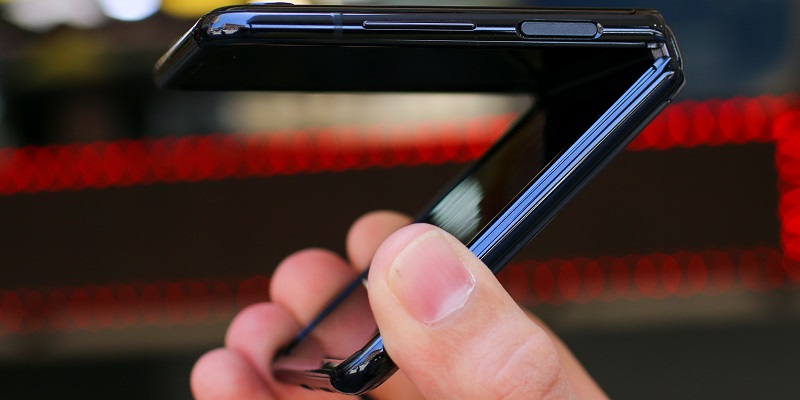
After the successful launch of its first foldable phone, TECNO is back with yet another innovation, the TECNO Phantom V Flip 5G. This unique device immediately catches attention with its rounded cover display, aptly named “The Planet.” Packed with cutting-edge features and a sleek design, the Phantom V Flip 5G is set to take the smartphone market by storm.
Introducing the TECNO Phantom V Flip 5G
TECNO introduces its second foldable phone, the Phantom V Flip 5G. With a focus on versatility, this device offers a groundbreaking design and advanced functionality. The standout feature is the rounded cover display, also known as “The Planet,” which adds a touch of elegance to the phone.
Impressive Camera Features
In the realm of smartphone photography, the TECNO Phantom V Flip 5G shines brightly. It boasts a 32-megapixel selfie camera with dual-flash AF, ensuring stunning, high-resolution selfies even in low-light environments. This device emphasizes the importance of capturing memorable moments with clarity and brilliance.
Promising Foldable Display
TECNO makes a bold claim about the Phantom V Flip 5G’s foldable display, asserting that it remains “supremely flat” and creaseless. This gives users a seamless and immersive viewing experience, making the most out of the expansive display. Whether you are browsing social media, watching videos, or multitasking, the foldable display provides versatility like never before.
Powerful Performance
Under the hood, the TECNO Phantom V Flip 5G leaves no room for compromise. It is powered by a 6nm MediaTek Dimensity 8050 5G processor, ensuring smooth and lightning-fast performance. Combined with 8GB of RAM and 256GB of storage, this device easily handles multitasking, gaming, and multimedia without any lag or storage constraints.
New Operating System
The TECNO Phantom V Flip 5G takes pride in being the first device to run on the HiOS 13.5 operating system, based on the highly anticipated Android 13. This new OS is expected to bring exciting enhancements and features to further elevate the user experience, offering a seamless interface and improved functionality.
Battery and Charging Capability
Despite its compactness, the TECNO Phantom V Flip 5G is equipped with a 4,000mAh battery, ensuring a decent amount of power for everyday usage. Additionally, it supports 45W fast charging technology for quick top-ups when you need them the most. With this combination, users can stay connected and powered up throughout the day.
Impressive Battery Life
TECNO claims that the Phantom V Flip 5G can last an entire day on a single charge, further solidifying its position as a reliable daily driver. Moreover, the fast charging capability allows users to quickly recharge their device, providing a full charge in just 45 minutes. This feature ensures minimal downtime, keeping users connected and productive.
Pricing Information
The official price of the TECNO Phantom V Flip 5G in markets like the Philippines is yet to be announced. However, smartphone enthusiasts are eagerly awaiting this information as they anticipate the device’s availability and pricing. Stay tuned for updates as TECNO prepares to unveil this foldable marvel to the world.
The TECNO Phantom V Flip 5G is a testament to TECNO’s commitment to innovation and excellence. With its unique rounded cover display, impressive camera features, powerful performance, and advanced operating system, this device is set to make waves in the smartphone market. Its sustained battery life and fast charging capabilities ensure uninterrupted usage, while the pricing remains a mystery, adding to the anticipation. Keep an eye out for the official announcement as TECNO brings its foldable marvel to your fingertips.