
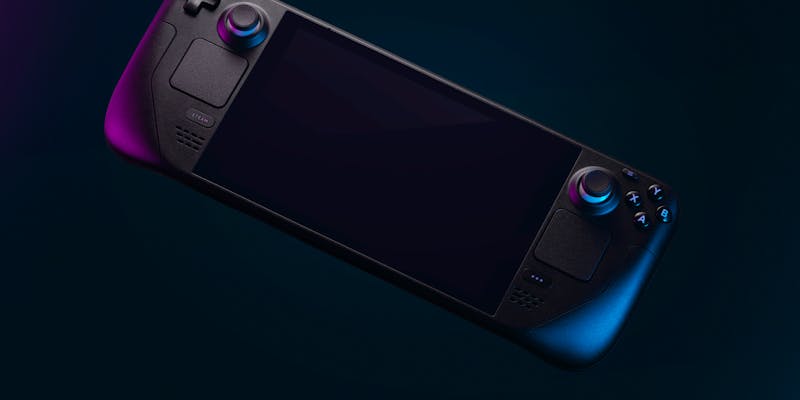
Tulpar Enters Handheld Arena with Intel Meteor Lake-Powered Device

As the handheld computing market continues to flourish, a notable new entry is making waves. Tulpar, a firm previously lauded for its peripheral contributions within the UK, is stepping into this dynamic space with a device powered by Intel’s state-of-the-art Meteor Lake CPUs. This move is not just a play for market expansion but also sets the stage for a head-to-head with AMD, whose Phoenix APUs have been the top dog in the sector. The market is buzzing, and the gauntlet has been thrown down.

While the full specifications of Tulpar’s handheld are under wraps, insider chatter suggests it could harness the might of CPUs akin to Intel’s Core i7 155H and Core i7 125H. The device is rumored to boast an 8-inch display, coupled with the traditional gaming layout of a joystick and D-pad controls, wrapped in an eye-catching black and green aesthetic with the added flair of RGB-backlit joysticks.

A Shifting Landscape in Handheld Gaming

Intel’s Meteor Lake CPUs are revolutionizing the handheld gaming domain, with companies like OneXPlayer and MSI incorporating them into their products. Tulpar is joining the fray, indicating Intel’s ambition to challenge AMD’s dominance in this market. This introduces a dynamic shift, offering gamers more options and signaling a transformation in the handheld gaming industry.

Tulpar aims to combine Meteor Lake’s superior performance with the convenience of handhelds, disrupting traditional mobile gaming notions. Gamers who favor AMD might be enticed by Intel’s new potential. As Tulpar prepares to unveil its device, it’s clear that the handheld gaming sector is quickly transforming into an arena where large tech corporations compete, and consumers enjoy ever-growing technological advancements.

Explore more

Falling Ether Prices Trigger DeFi Liquidation Stress

The sudden and precipitous decline of Ether prices below the critical psychological support level of $2,000 triggered a cascading wave of automated liquidations across the decentralized finance landscape, exposing the inherent fragility of highly leveraged on-chain positions. In May 2026, the market witnessed an unprecedented stress test when nearly $1 billion in digital assets were liquidated within a single twenty-four-hour

Bitcoin Faces Bear Market Risk as Key Technicals Falter

The digital asset landscape is currently grappling with a significant shift in momentum as Bitcoin struggles to maintain its footing above critical price thresholds that previously served as reliable foundations for bullish growth. Recent market movements have revealed a fragility that few anticipated during the optimistic rallies of the previous quarter, leading many analysts to suggest that a transition into

Can Project Agorá Modernize Global Cross-Border Payments?

The current infrastructure governing international financial transfers relies on a fragmented web of correspondent banking relationships that frequently result in delays, high costs, and a lack of transparency for businesses operating across borders. While domestic payment systems have undergone significant digital transformations, the mechanics of moving capital between different jurisdictions remain surprisingly antiquated, often involving manual reconciliations and multiple intermediary

Is Your Aging GPU Still Ready for 2026 AAA Games?

The rapid pace of technological advancement in the early part of this decade left many PC enthusiasts wondering if their expensive hardware would become obsolete within just a few years of its initial release. This concern was particularly prevalent during the early 2020s when rapid architectural leaps and the heavy demands of ray tracing made older hardware feel insufficient for

12GB RAM Becomes the New Standard for AI Phones in 2026

The mobile industry has reached a pivotal juncture where the internal specifications of a smartphone are no longer just about benchmarks or vanity metrics but are instead defined by the fundamental ability to process intelligence on the fly. For several years, manufacturers competed on superficial features like screen brightness or camera megapixels, yet the current landscape focuses almost entirely on