

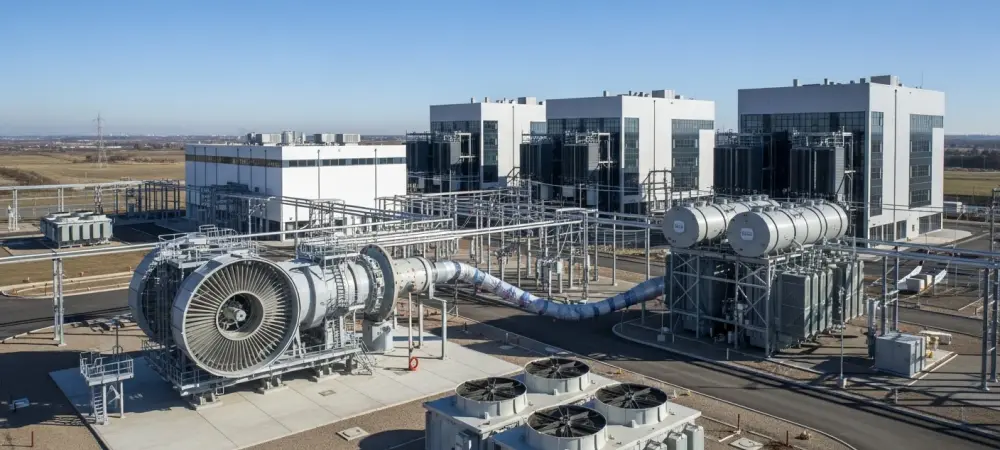
The relentless global hunger for sophisticated artificial intelligence has pushed the traditional electrical grid to a breaking point, forcing a radical reimagining of how we generate and consume power for our digital lives. This mounting pressure is reshaping the relationship between big tech and energy production as developers seek total autonomy from unstable public utilities. The emergence of wellhead-powered data centers represents a paradigm shift in energy consumption, moving digital infrastructure directly to the source of fuel to bypass grid congestion and skyrocketing costs. This analysis explores the shift from traditional grid reliance to localized gas-to-power solutions, examines the Reabold Resources project as a case study, and evaluates the economic trade-offs of this burgeoning trend.
The Shift Toward Decentralized Energy for Digital Infrastructure
Market Trajectories: The Growth of Off-Grid Computing
Energy requirements for the AI sector are doubling during the current expansion cycle, creating an urgent need for “behind-the-meter” power solutions. These localized systems operate independently of the public utility framework, offering a level of control that traditional connections simply cannot match in the current climate. Global grid capacity constraints are forcing data center developers to wait years for connections, driving the adoption of domestic natural gas as a critical bridge fuel. This transition has evolved from small-scale Bitcoin mining operations to massive, multi-megawatt facilities designed specifically for high-performance computing tasks that require immense, uninterrupted power.
Real-World Application: The Reabold Resources West Newton Project
London-based Reabold Resources is spearheading a proposal to build a 100MW data center at the West Newton site in East Riding of Yorkshire. This facility aims to utilize one of the largest onshore gas discoveries in the United Kingdom, which is estimated to hold 8 billion cubic meters of fuel. By implementing “mini-fracking”—a technique exempt from national moratoriums—the project aims to provide a stable, 20-year energy supply at heavily discounted rates. This specific case illustrates a strategic pivot from feeding gas into the national grid toward the production of high-margin digital commodities directly at the source.
Industry Perspectives on the Wellhead-to-Data Model
Energy analysts suggest that localized gas power enhances national security by reducing the physical load on public infrastructure. This model allows the public grid to prioritize residential needs while providing a reliable baseload for specialized industrial growth in the digital sector. Tech experts emphasize the strategic advantage of “islanded” power plants, which can maintain 99.9% uptime for AI workloads. However, environmental policy experts remain critical of the optics of using fossil fuels for digital expansion, highlighting the friction between immediate infrastructure needs and long-term net-zero goals.
Future Projections: Scalability, Risks, and Evolution
The expansion of wellhead data centers will likely focus on regions with stranded gas assets, turning “waste” energy into a primary driver for the economy. This evolution could potentially revitalize rural areas by bringing high-tech jobs and infrastructure to locations previously overlooked by the digital industry.
Despite the economic promise, projects face looming challenges from public opposition and the persistent “Not In My Backyard” sentiment. This trend might eventually evolve into hybrid models where natural gas provides baseload power supplemented by carbon capture technologies or onsite renewable energy sources like solar and wind.
Redefining the Intersection of Energy and AI
The analysis demonstrated that off-grid data centers became an economic necessity for maintaining the pace of innovation amidst infrastructure limitations. This model proved that domestic gas could play a strategic role in bypassing grid bottlenecks, though its success relied on navigating complex public perceptions. Moving forward, the wellhead-to-wire approach established a new blueprint for how global digital industrialization balanced immediate energy demands with the realities of production. Stakeholders focused on integrating these fossil-fuel-reliant systems with emerging green technologies to ensure the digital revolution remained sustainable and socially acceptable.