

The sheer velocity of modern commerce has forced the humble warehouse to transcend its role as a storage facility and become a self-optimizing engine of the global economy. As global supply chains face a “perpetual motion” challenge, the modern warehouse is transforming from a static storage box into a living, breathing intelligent organism. In an era of persistent labor shortages and skyrocketing consumer expectations, the transition to AI-driven logistics is no longer a strategic luxury but a requirement for survival. This analysis explores the four tiers of warehouse AI evolution—ranging from deterministic optimization to physical robotics—and examines how these technologies are reshaping the distribution landscape.
The Evolution of Intelligence and Operational Action
Data-Driven Growth and Adoption Statistics
Market dynamics in 2026 indicate a profound shift from experimental AI to full-scale deployment, largely fueled by more accessible financial models and software-as-a-service structures. Many organizations have moved away from massive upfront investments, favoring OpEx-heavy models that allow for scalable integration. This trend is especially evident in North America and Europe, where persistent labor deficits have made the adoption of autonomous hardware a primary operational goal. By shifting the financial burden from capital expenditure to operational subscriptions, companies can now integrate sophisticated software solutions without traditional barriers.
Real-World Applications and Technological Benchmarks
The practical application of intelligence starts with enhanced optimization models that replace rigid, spreadsheet-based planning. Current systems utilize real-time telemetry for inventory slotting and demand forecasting, ensuring that every square foot of space is utilized with precision. Beyond math, leading firms use Large Language Models to interpret unstructured maintenance logs and provide instant troubleshooting instructions. This capability allows floor supervisors to handle exceptions immediately, converting years of technician experience into an accessible digital knowledge base.
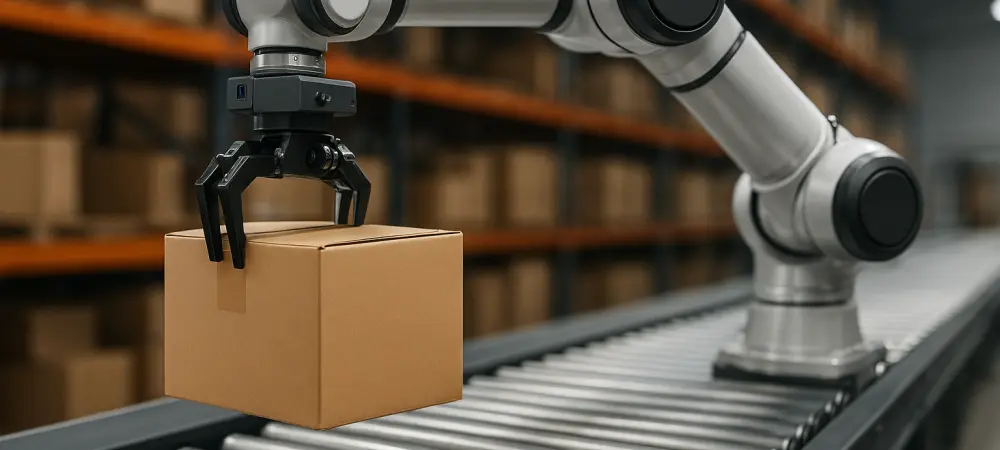
Moreover, semi-autonomous AI agents represent a major transition toward dynamic task management. These “human-in-the-loop” assistants reassign loading dock priorities and redistribute machinery on the fly based on incoming traffic patterns. In contrast to these software-centric tools, physical warehouse automation involves the integration of machine learning with high-velocity picking and packing robots. These systems, currently deployed in major retail distribution hubs, offer consistent item velocity and positional accuracy that is vital for regions facing severe hiring deficits.
Industry Perspectives and Expert Consensus
The Transparency Mandate: Building Human Trust
Industry analysts, such as Federica Stufano, emphasize that the success of these systems hinges on “explainable AI.” For automation to be effective, human workers must understand the reasoning behind algorithmic decisions to ensure seamless collaboration. When a system reallocates a fleet of autonomous mobile robots, the logic must be visible to ensure that supervisors trust the technology. This transparency mandate is essential for maintaining morale and safety within increasingly complex environments.
The Pragmatic Adoption Roadmap: A Phased Approach
Expert advice suggests a phased approach rather than a total system overhaul, starting with proven tools like labor forecasting before scaling into complex generative agents. This roadmap allows the workforce to adapt to algorithmic workflows gradually and reduces the risk of operational disruption. By building a foundation of data reliability first, organizations ensure that subsequent investments in high-cost robotic hardware are supported by an intelligent software backbone that maximizes the return on investment.
Future Projections and Broader Implications
The Rise of the Hybrid Model
The long-term trajectory of the industry suggests a hybrid model where autonomous machine precision and human strategic authority coexist. While machines handle repetitive, high-velocity tasks, humans will pivot toward roles as system supervisors or robot orchestrators. This evolution changes the socio-economic fabric of the warehouse, demanding a more tech-savvy workforce. However, the hurdle of legacy system integration remains a challenge, as many facilities must still reconcile cutting-edge AI with aging infrastructure and data silos.
The Resilience Dividend: Self-Correcting Hubs
Ultimately, the goal of these AI tiers is to achieve a state of operational resilience. Future-ready hubs are being designed to self-correct during global supply chain disruptions, ensuring a continuous flow of goods without manual intervention. This resilience dividend allows companies to maintain volume commitments even when external markets are volatile. The transition is not merely about speed; it is about creating a system that can withstand the unexpected while maintaining a high level of item velocity and accuracy.
Summary and Strategic Outlook
The landscape of logistics was redefined by the integration of optimization, generative documentation, software agents, and physical robotics. These four pillars provided the necessary infrastructure to handle the complexities of modern commerce. Supply chain leaders recognized that the only way to sustain growth was to embrace a system where human intuition and algorithmic speed functioned in tandem. By moving toward a more transparent implementation, the industry successfully mitigated the risks of labor volatility and ensured consistent performance.
The focus shifted toward long-term data health and the seamless blending of legacy assets with autonomous technology. Strategic investments favored flexibility over rigid automation, allowing distribution centers to pivot as consumer demands changed. Moving forward, the most successful operations were those that prioritized the orchestration of diverse AI tiers into a single, cohesive workflow. This approach not only solved the immediate challenges of labor and volume but also created a blueprint for a more resilient and adaptable global supply chain architecture.