

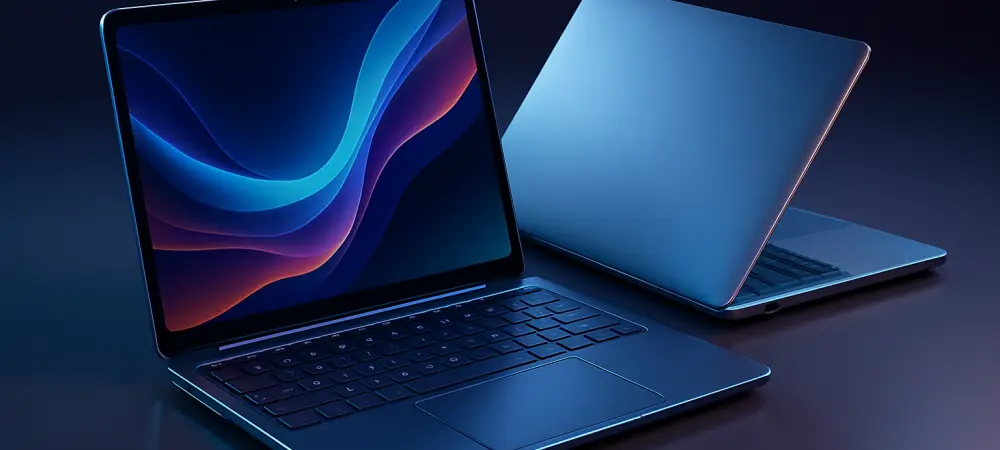
In a world where mobility drives productivity, the surge in demand for ultraportable laptops has become a defining trend, reshaping how professionals, students, and creators interact with technology. These lightweight, powerful devices have emerged as essential tools in a fast-paced, mobile-first environment, enabling seamless work and creativity on the go. The significance of this shift cannot be overstated, as it reflects a broader societal move toward flexibility and efficiency. This analysis delves into the expanding ultraportable laptop market, spotlighting Geekom’s entry with the GeekBook X14 Pro and X16 Pro, examining their features, potential impact, and how they fit into the larger narrative of portable computing innovation.
Geekom’s Strategic Move into Ultraportable Laptops
Market Dynamics and Rising Demand
The ultraportable laptop segment has witnessed remarkable growth, driven by consumer preferences for devices that combine featherlight design with robust performance. Industry reports indicate a steady increase in demand, with the market for lightweight laptops projected to grow significantly from this year through 2027, fueled by remote work trends and digital nomadism. This expansion reflects a clear shift in user priorities, favoring portability without compromising on power, a balance that manufacturers are racing to perfect.
Geekom, traditionally recognized for its compact mini PCs, has now entered this competitive space, marking a pivotal transition as noted by industry sources like Notebookcheck and TechRadar Pro. This move aligns with the broader market trend of companies diversifying into ultraportable computing to capture a share of the growing demand. Geekom’s strategic pivot positions it as a fresh contender in a field dominated by legacy brands, highlighting the potential for new players to innovate within this dynamic sector.
Introducing the GeekBook X14 Pro and X16 Pro
At the forefront of Geekom’s foray into laptops is the GeekBook X14 Pro, a device that redefines ultraportable with its mere 999-gram weight and sleek 16.9mm thickness. Encased in a durable aluminum alloy chassis, it features a stunning 14-inch OLED display with a 2880 x 1800 resolution and full DCI-P3 color coverage, delivering exceptional visual clarity. Powered by Intel’s Core Ultra 200H “Arrow Lake-H” processor with integrated Arc graphics, it includes a 70Wh battery and connectivity options like Wi-Fi 6E, HDMI 2.0, and a 40Gbps USB-C port, catering to modern user needs.
The GeekBook X16 Pro, on the other hand, targets those who value screen real estate and storage flexibility, weighing in at 1299 grams. It offers a 16-inch IPS display with a 2560 x 1600 resolution, a larger 75Wh battery, and dual SSD slots, distinguishing it from its smaller sibling. These specifications underscore Geekom’s intent to address varied user preferences within the ultraportable category, balancing size and capability.
Both models are tailored for real-world scenarios, serving remote workers with long battery life, content creators with high-quality displays, and students with lightweight designs for easy transport. Their practical applications highlight how ultraportable laptops are becoming indispensable across diverse demographics, setting a benchmark for what users expect from mobile computing solutions.
Industry Reactions to Geekom’s Laptop Debut
Insights from tech analysts, as reported by Notebookcheck and TechRadar Pro, reveal a mix of enthusiasm and caution regarding Geekom’s entry into the laptop arena. The design aesthetics and display quality of the GeekBook series, particularly the OLED panel on the X14 Pro, have garnered praise for pushing boundaries in the ultraportable space. These elements are seen as strong selling points that could attract discerning buyers looking for premium features in a compact form.
However, concerns persist about certain hardware choices, notably the CPU performance of the Intel Core Ultra 200H, which may struggle under intensive workloads compared to alternatives. Additionally, the non-upgradable LPDDR5 memory and limited storage options in the X14 Pro have raised questions about long-term usability for power users. These limitations suggest that while Geekom has made a bold entry, refinement in performance aspects could be crucial for sustained success.
Geekom’s established reputation in compact computing, built through its mini PC offerings, provides a foundation of consumer trust that could ease its transition into laptops. Yet, competing against entrenched brands with decades of laptop expertise presents a formidable challenge. The industry perspective remains cautiously optimistic, viewing Geekom’s venture as a potential catalyst for innovation, provided it can address initial shortcomings and carve out a distinct market identity.
Future Prospects for Ultraportable Laptops and Geekom’s Position
Looking ahead, the ultraportable laptop market appears poised for continued evolution, with trends pointing toward longer battery life, cutting-edge displays like OLED, and processors that deliver power efficiency without sacrificing speed. These advancements are expected to redefine user expectations, pushing manufacturers to innovate relentlessly. The integration of such technologies could further solidify ultraportables as the go-to choice for mobile productivity.
For Geekom, the path forward may involve addressing current limitations, such as enhancing CPU capabilities or offering more flexible configurations based on user feedback. Expanding storage options and introducing upgradable components could also strengthen its appeal among diverse consumer segments. Such strategic adjustments would signal Geekom’s responsiveness to market needs, potentially elevating its standing in this competitive landscape.
The broader implications of Geekom’s entry extend to market competition, where increased diversity among players could drive innovation and influence pricing dynamics in the ultraportable segment. However, challenges remain, including the lack of disclosed pricing for the GeekBook series and the need for real-world performance validation to confirm their capabilities. Geekom’s ability to navigate these hurdles will likely determine its role in shaping the future of ultraportable computing, possibly inspiring other niche brands to enter the fray.
Key Insights and Future Considerations
Reflecting on Geekom’s initial steps into the ultraportable laptop market, the GeekBook X14 Pro stood out with its lightweight build, vibrant OLED display, and impressive battery life, while the X16 Pro offered a larger screen and dual SSD slots for enhanced storage. Despite these strengths, limitations such as the CPU selection and non-upgradable memory posed potential drawbacks for users requiring high performance. These factors underscored the delicate balance between portability and power that manufacturers must strike.
Geekom’s entry has highlighted the growing relevance of ultraportable laptops in addressing modern computing demands, positioning the company as a contender with the potential to establish a foothold in a crowded field. The significance of this trend lies in its reflection of a broader shift toward mobility and efficiency, a need that ultraportable devices uniquely fulfill. Geekom’s early efforts suggest a promising start, contingent on overcoming initial hardware constraints.
Moving forward, stakeholders and consumers alike are encouraged to monitor upcoming performance reviews and pricing announcements to gauge the true impact of Geekom’s offerings. Attention to how the company adapts to feedback and refines its products will be critical in assessing its long-term influence. This focus on actionable insights and market responsiveness offers a pathway for understanding not just Geekom’s trajectory, but also the evolving landscape of ultraportable technology as a whole.