

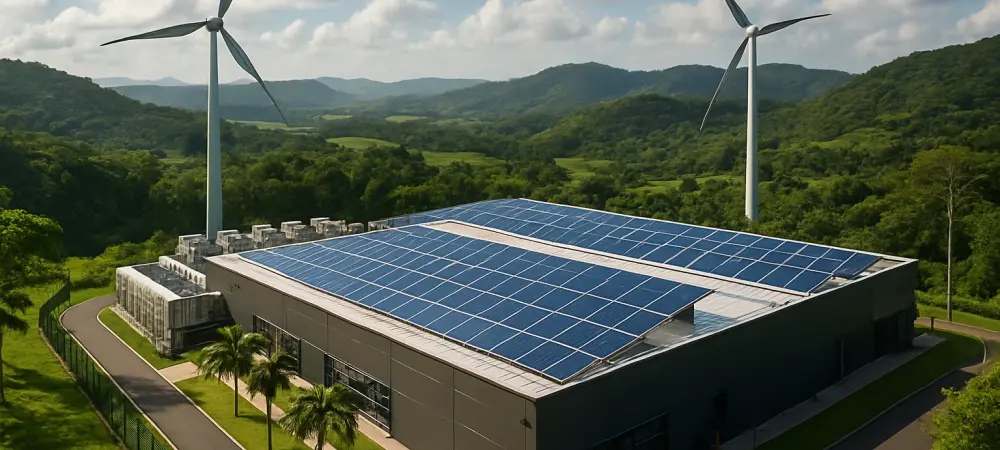
Imagine a region where the relentless pace of technological advancement meets an unyielding commitment to environmental stewardship, exemplified by a groundbreaking partnership between a leading oil giant and a cutting-edge data center operator in Brazil. This intersection of innovation and sustainability is becoming a defining trend in Latin America, as the demand for high-capacity data processing surges alongside global calls for greener practices. Sustainable data centers are emerging as a critical solution, balancing the computational needs of modern industries with eco-conscious infrastructure. This analysis explores the rapid growth of this trend, spotlighting real-world examples, industry insights, and future possibilities that could reshape the digital landscape of the region while prioritizing environmental responsibility.
The Surge of Sustainable Data Centers in the Region
Expansion Patterns and Key Metrics
The demand for data centers in Latin America has skyrocketed, fueled by industries such as oil and gas, artificial intelligence, and cloud computing, which require robust computational power to handle complex workloads. According to recent industry reports, the region’s data center market is projected to grow at a compound annual rate of over 10% from the current year through the next five years, driven by digital transformation across sectors. This surge reflects a broader need for infrastructure that can support massive data processing without compromising efficiency or environmental impact, positioning the area as a burgeoning hub for tech investment.
A significant driver of this trend is the increasing adoption of renewable energy and energy-efficient technologies in data center operations. Studies indicate that nearly 40% of new data center projects in the region now incorporate certified renewable energy sources, a sharp rise from previous benchmarks, as noted by global sustainability assessments. Technologies like advanced cooling systems and energy management software are becoming standard, reducing operational carbon footprints and aligning with international environmental targets.
This push for sustainability is not merely a corporate trend but a regional response to global climate goals, with governments and private entities collaborating to establish greener infrastructure. Incentives for renewable energy integration and stricter regulations on emissions are shaping investment decisions, encouraging operators to prioritize eco-friendly designs. Such efforts underscore a collective recognition that sustainable data centers are essential for long-term economic and environmental stability in Latin America.
Spotlight: Elea Data Centers and Petrobras Collaboration
A landmark example of this trend is the partnership between Elea Data Centers and Petrobras, a major player in the oil and gas sector, which has set a new standard for sustainable infrastructure. Elea secured a 2.3 billion reais (US$431 million) contract to construct a 30MW data center in São Bernardo do Campo, near São Paulo, Brazil, through a competitive public bidding process. This 17-year agreement represents one of the largest IT infrastructure projects ever undertaken by a Latin American company, highlighting the scale of ambition in the sector.
The facility incorporates state-of-the-art features such as liquid cooling technology, reliance on certified renewable energy, and water reuse systems for cooling, establishing a benchmark for environmental responsibility. These innovations not only minimize energy consumption but also address water scarcity concerns, a critical issue in many parts of the region. The design ensures that operational efficiency aligns with sustainability, offering a model for future projects to emulate.
Beyond its green credentials, the data center plays a pivotal role in supporting Petrobras’ mission-critical operations, including housing supercomputers for exploration, research, and reservoir management. It also accommodates artificial intelligence workloads, reflecting the evolving needs of modern industries. This collaboration demonstrates how sustainable data centers can meet the dual demands of cutting-edge technology and ecological mindfulness, paving the way for similar initiatives across Latin America.
Industry Voices on Sustainability and Technological Progress
Insights from industry leaders emphasize the vital role of sustainable data centers in strengthening Latin America’s technological ecosystem while addressing pressing environmental challenges. Experts argue that these facilities are not just infrastructure but strategic assets that can drive economic growth by supporting digital innovation in a responsible manner. Reports from prominent think tanks highlight how operators like Elea are bridging the gap between high-tech demands and green practices, setting a precedent for others in the field.
However, challenges persist, including the high upfront costs of implementing renewable energy solutions and the limitations of existing infrastructure in some areas. These barriers can deter smaller operators from adopting sustainable practices, despite the long-term benefits of reduced operational expenses and enhanced corporate reputation. Industry discussions often point to the need for financial incentives and public-private partnerships to offset initial investments and accelerate adoption across the board.
Despite these hurdles, the potential rewards are substantial, with thought leaders noting that sustainable data centers can significantly lower carbon emissions while fostering job creation and technological leadership in the region. The strategic focus of companies like Elea on eco-conscious innovation is seen as a catalyst for broader change, encouraging stakeholders to view sustainability not as a burden but as an opportunity. This perspective is crucial for shaping policies and investments that prioritize long-term environmental and economic gains.
Prospects for Sustainable Data Centers in Latin America
Looking ahead, the region stands on the cusp of transformative developments in sustainable data center infrastructure, with ambitious projects signaling a robust future. One such initiative is Elea’s Rio AI City project in Rio de Janeiro’s Olympic Park region, which aims to deliver a staggering 3.2GW capacity tailored for AI and cloud computing workloads. This complex, once operational, could redefine the scale and scope of digital infrastructure in Latin America, emphasizing sustainability as a core principle.
The benefits of such advancements extend beyond technology, promising reduced carbon footprints and improved operational efficiencies that can lower costs over time. Yet, challenges like regulatory complexities and the scalability of green technologies remain, requiring coordinated efforts from governments, operators, and industry bodies to ensure seamless integration. Overcoming these obstacles will be key to unlocking the full potential of sustainable data centers as drivers of digital progress.
On a broader scale, the adoption of eco-friendly infrastructure holds profound implications for industries and policymakers, positioning it as a cornerstone of digital transformation. As more sectors rely on data-intensive processes, the shift toward sustainable facilities can influence everything from corporate strategies to national energy policies. This trend could ultimately foster a regional model of innovation that balances technological growth with environmental stewardship, setting an example for global markets.
Shaping a Greener Digital Legacy
Reflecting on the journey, the collaboration between Elea Data Centers and Petrobras stood as a defining moment, showcasing how sustainable infrastructure could address the complex needs of modern industries while upholding environmental commitments. The integration of renewable energy and advanced cooling systems in their São Bernardo do Campo facility marked a turning point, proving that high-capacity data centers could thrive without sacrificing ecological principles. This partnership, among others, highlighted the region’s capacity for innovation in the face of global sustainability challenges.
Moving forward, stakeholders across Latin America were encouraged to build on this momentum by investing in scalable green technologies and fostering policies that supported eco-conscious development. Collaborative efforts between public and private sectors emerged as a vital next step, ensuring that financial and regulatory frameworks aligned with the goal of a sustainable digital future. By prioritizing such initiatives, the region had the opportunity to not only meet rising technological demands but also lead by example in creating a balanced, environmentally responsible tech landscape.