

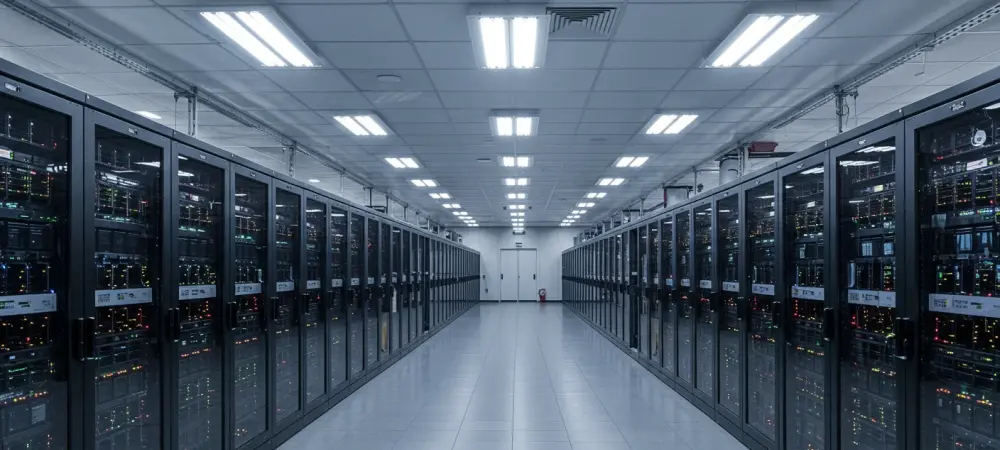
In an era where digital transformation drives every facet of modern life, the data center industry faces an unprecedented challenge: meeting skyrocketing demand while curbing its massive environmental footprint. Data centers, the backbone of cloud computing and AI technologies, consume vast amounts of energy, often contributing significantly to global carbon emissions. This urgent need for sustainability has sparked a wave of innovation, positioning green technologies at the forefront of industry evolution. The significance of sustainable data centers lies in their ability to harmonize technological advancement with environmental stewardship, fostering economic growth in regions eager to become digital hubs. This analysis delves into emerging trends, showcases real-world applications, gathers expert insights, and explores the future potential of sustainable innovations shaping the data center landscape.
The Rise of Sustainable Data Center Technologies
Growth and Adoption Trends in Green Data Solutions
The global demand for data centers has surged, fueled by the exponential growth of AI, cloud computing, and widespread digitalization across industries. According to industry reports, data centers account for nearly 2% of global electricity consumption, with projections indicating a sharp rise if unchecked. This energy intensity has pushed the adoption of sustainable technologies as a critical priority, with solutions like liquid cooling gaining traction for their ability to slash energy use by up to 30% compared to traditional air-cooling methods.
Recent studies highlight a promising uptick in the integration of green solutions, particularly in high-growth markets. Liquid cooling systems, once considered niche, are now being deployed at scale by major players, driven by the need to manage heat dissipation in high-density computing environments. This shift reflects a broader industry commitment to reducing carbon footprints while maintaining performance standards essential for cutting-edge applications.
Real-World Applications of Liquid Cooling Innovations
A standout example of sustainable innovation is Submer Technologies’ ambitious initiative in Madhya Pradesh, India, aiming to develop up to 1GW of liquid-cooled, AI-ready data centers. This project, born from a partnership with the state government, underscores the potential of immersion cooling—a technique in which Submer excels—to redefine energy efficiency in data infrastructure. The focus on AI readiness also aligns with global trends toward specialized facilities capable of supporting intensive computational workloads.
Further illustrating the growing interest in this region, companies like CtrlS and RackBank are also establishing a presence in Madhya Pradesh, traditionally not a primary data center hub. Their involvement signals a rising recognition of the state’s potential to support digital growth through sustainable means. Submer’s expertise in liquid cooling sets a benchmark, offering a blueprint for how technology can address both performance and environmental concerns in emerging markets.
The implications of such projects extend beyond technical advancements. By prioritizing eco-friendly designs, these initiatives pave the way for local economic benefits, including job creation and the development of supply chains. This holistic approach demonstrates how sustainable data centers can serve as catalysts for broader regional progress.
Expert Perspectives on Sustainability in Data Centers
Industry leaders provide valuable insights into the pivotal role of sustainability in shaping the future of data centers. Sanjay Dubey, a senior official from the Madhya Pradesh government, emphasizes the importance of adhering to global standards to build digital infrastructure that is both cutting-edge and environmentally responsible. This perspective highlights the need for policies and partnerships that prioritize long-term ecological balance alongside technological growth.
Complementing this viewpoint, Submer’s co-founder Daniel Pope describes the Madhya Pradesh initiative as a landmark opportunity to establish world-class, eco-friendly facilities. His vision underscores the transformative power of sustainable design in redefining industry norms. Meanwhile, Dev Tyagi, president of Submer UK & India, points to the broader community and economic benefits, framing such projects as more than just infrastructure—they are engines of innovation and social impact. These expert opinions collectively reinforce the trend’s importance, addressing the delicate balance between high-performance computing and environmental impact. Challenges such as scalability and cost remain, but the consensus is clear: sustainable practices are not merely optional but essential for the industry’s future viability. Their insights provide a roadmap for navigating the complexities of green technology adoption on a global scale.
Future Outlook for Sustainable Data Center Innovations
Looking ahead, liquid cooling and other green technologies hold immense potential to become industry standards, especially as data demands continue to escalate in markets like India. With projections of exponential growth in data usage over the coming years, the shift toward energy-efficient solutions appears inevitable. Emerging regions stand to benefit significantly, as adopting these technologies early can position them as leaders in the global digital economy.
The anticipated advantages are substantial, including reduced energy costs and lower carbon emissions, which align with international climate goals. However, challenges such as high initial investments and the need for specialized technical expertise could hinder widespread adoption. Addressing these barriers will require collaborative efforts between governments, private entities, and educational institutions to build capacity and drive innovation.
Projects like Submer’s in Madhya Pradesh could serve as replicable models for other regions, demonstrating how sustainability and economic growth can coexist. Positive outcomes, such as the creation of tech hubs and job opportunities, are within reach, though hurdles like regulatory frameworks and scalability must be navigated. The broader implications suggest a future where sustainable data centers are integral to a balanced digital ecosystem, influencing global standards and practices.
Conclusion: Embracing a Sustainable Digital Future
Reflecting on the journey of sustainable data center technologies, the rise of innovations like liquid cooling marked a turning point in addressing the industry’s environmental challenges. Real-world endeavors, such as Submer’s groundbreaking work in Madhya Pradesh, showcased tangible steps taken to integrate green solutions into digital infrastructure. Expert voices echoed a shared optimism, affirming that sustainability had become a cornerstone of technological progress. Moving forward, stakeholders are encouraged to prioritize investments in green innovations, forging partnerships that can amplify impact across regions. A concerted effort to overcome financial and technical barriers is deemed essential, ensuring that the benefits of reduced emissions and energy savings reach a global scale. By championing these advancements, the industry stands poised to build a digital future that harmonizes growth with ecological responsibility, setting a precedent for generations to come.