

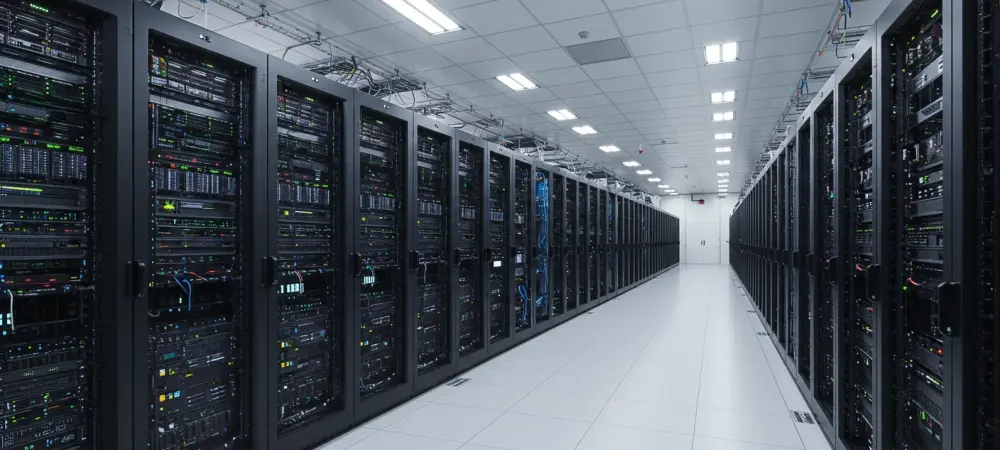
Imagine a facility so vast and powerful that it consumes enough electricity to light up an entire major city, all in the name of propelling artificial intelligence into uncharted territory. This is the reality of the Stargate AI Data Center, a groundbreaking initiative that stands at the forefront of the AI revolution in the United States. As a collaborative effort between OpenAI and Oracle, this project is not just about technology but about redefining the infrastructure that will shape the future of innovation across industries. This review delves into the core features, performance potential, and broader implications of Stargate, offering a comprehensive look at what makes it a pivotal development in the tech landscape.
Unveiling the Vision Behind Stargate
The Stargate AI Data Center initiative emerges as a flagship partnership between OpenAI and Oracle, with a clear mission to construct state-of-the-art infrastructure capable of supporting the most advanced AI models. This ambitious project aims to address the growing demand for computational power as AI applications become increasingly complex and integral to various sectors. By focusing on building data centers of unprecedented scale, the collaboration seeks to lay the foundation for breakthroughs that could transform how technology interacts with everyday life.
Situated within the broader context of the AI revolution, Stargate highlights the critical need for robust physical and technological resources. The rapid evolution of AI demands more than just software innovation; it requires massive facilities equipped to handle millions of high-performance chips and vast energy supplies. This initiative represents a shift toward industrial-scale solutions, blending digital advancements with tangible engineering feats to meet the challenges of tomorrow’s tech landscape.
Core Features and Technological Breakthroughs
Unmatched Power Capacity
At the heart of the Stargate project lies its staggering power consumption, planned to reach 4.5 gigawatts—enough to rival the energy needs of a large metropolitan area. This immense capacity is designed to support millions of AI chips, enabling the processing of data at scales previously unimaginable. Such power underscores the project’s potential to drive the next generation of AI models, which require extraordinary computational resources to function effectively.
The significance of this scale cannot be overstated. By providing the energy infrastructure to sustain continuous, high-intensity operations, Stargate positions itself as a leader in facilitating AI advancements that could redefine industries from healthcare to finance. The ability to harness such power ensures that the data centers can handle the intensive workloads necessary for training and deploying cutting-edge algorithms.
Advanced Hardware Integration
Beyond raw power, Stargate incorporates some of the most sophisticated hardware available, including Nvidia’s GB200 chips, which are already undergoing testing in existing facilities. These chips represent the pinnacle of AI processing technology, offering unparalleled speed and efficiency for complex computations. Their integration into Stargate’s framework signals a commitment to staying ahead of the curve in high-performance computing.
This hardware advantage places the project at the forefront of technological innovation. The use of such advanced components not only enhances the data centers’ ability to manage vast datasets but also ensures compatibility with future AI applications that demand even greater processing capabilities. As a result, Stargate is well-equipped to support the development of AI systems that could push boundaries in research and practical implementation.
Industry Trends and Collaborative Dynamics
The rise of Stargate aligns with a broader trend of industrial-scale efforts in AI infrastructure, where digital innovation intersects with physical resources like concrete, steel, and fiber-optic cables. This movement reflects a growing recognition that the AI revolution extends beyond code and algorithms, requiring substantial investments in real-world facilities. Projects of this magnitude are reshaping how the tech industry approaches the challenges of scalability and performance.
Key to Stargate’s progress is the collaborative momentum generated through partnerships with industry giants such as Oracle, Microsoft, and Japan’s SoftBank. These alliances are redefining data center architecture by integrating cutting-edge cloud connectivity and innovative design principles. Together, they create a network of expertise and resources that amplifies the project’s potential to set new standards in AI infrastructure development.
The synergy among these collaborators highlights a collective push toward building systems that are not only powerful but also adaptable to evolving technological needs. By pooling their strengths, these organizations ensure that Stargate remains a dynamic and forward-thinking endeavor, capable of addressing both current demands and future challenges in the AI domain.
Real-World Impact and Broader Applications
One of the most tangible benefits of the Stargate initiative is its economic impact, with projections estimating the creation of over 100,000 jobs across the United States. These roles span a wide range, from construction and electrical work during the building phase to permanent positions in technical maintenance and operations. Such job growth promises to invigorate local economies and provide opportunities for diverse skill sets.
Beyond employment, the project offers significant advantages to communities nationwide by supporting OpenAI’s mission to democratize access to advanced AI technologies. By establishing a robust infrastructure, Stargate enables the development of tools and solutions that can be leveraged by businesses, researchers, and public institutions. This accessibility fosters innovation on a national scale, ensuring that the benefits of AI are widely shared.
Additionally, the initiative serves as a catalyst for regional development, bringing investment and attention to areas hosting these massive facilities. As data centers become operational, they are likely to attract further tech-related enterprises, creating hubs of innovation that can drive long-term economic progress in surrounding regions.
Challenges and Sustainability Considerations
Despite its promise, Stargate faces significant challenges, particularly concerning its enormous energy consumption. The 4.5 gigawatts required to power these data centers raise valid concerns about environmental impact and resource allocation. Balancing the need for computational power with ecological responsibility remains a critical issue that must be addressed as the project advances.
Efforts are underway to mitigate these concerns through partnerships and strategies focused on sustainability. Collaborators are exploring ways to integrate renewable energy sources and improve efficiency in power usage. These initiatives reflect a commitment to aligning technological ambition with environmental stewardship, ensuring that progress does not come at an unsustainable cost.
Regulatory considerations also play a role in shaping the project’s trajectory. Navigating policies related to energy usage and environmental standards requires careful planning and coordination with authorities. Addressing these challenges head-on will be essential to maintaining public support and ensuring the long-term viability of such an expansive undertaking.
Future Prospects for Stargate Infrastructure
Looking ahead, the long-term vision for Stargate is nothing short of transformative, with OpenAI pledging to exceed a half-trillion-dollar investment in US AI infrastructure over the coming years. This commitment signals an unwavering dedication to scaling capabilities and pushing the boundaries of what AI can achieve. The roadmap includes expanding data center capacity and exploring new technological frontiers.
Potential breakthroughs enabled by Stargate could redefine societal interactions with technology, from revolutionizing personalized healthcare solutions to enhancing autonomous systems. As the infrastructure grows, it may unlock AI applications that address complex global challenges, positioning the United States as a leader in this critical field. The ripple effects of such advancements are likely to be felt across multiple domains.
Moreover, the project’s evolution will likely inspire similar initiatives worldwide, fostering a competitive yet collaborative environment for AI development. By setting a high standard for infrastructure investment, Stargate could catalyze a global race to build the next generation of tech ecosystems, ultimately benefiting humanity through shared innovation and progress.
Final Reflections on a Pioneering Project
Reflecting on the journey of the Stargate AI Data Center, it is evident that its unprecedented scale, cutting-edge technology, and substantial economic contributions mark a significant milestone in the tech industry. The collaboration between OpenAI and Oracle demonstrates a powerful synergy, blending industrial might with digital innovation to create a foundation for future AI advancements. Its impact on job creation and community development stands as a testament to the real-world value of such ambitious endeavors.
Moving forward, stakeholders should prioritize sustainable practices by accelerating the adoption of renewable energy solutions to power these vast facilities. Addressing regulatory and environmental challenges through transparent dialogue with policymakers will be crucial for maintaining momentum. Additionally, expanding public awareness of the benefits and potential of Stargate can foster greater support, ensuring that this pioneering project continues to thrive as a beacon of technological progress.