

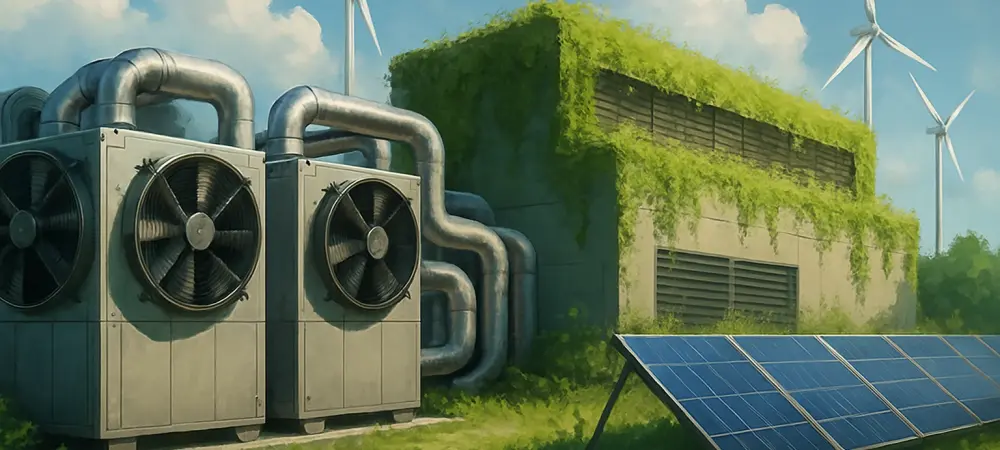
As digital infrastructure continues to expand at an unprecedented pace, driven by cloud computing, artificial intelligence, and the Internet of Things, data centers worldwide are grappling with a pressing challenge: how to manage skyrocketing energy demands without exacerbating environmental harm. Cooling systems, which account for a significant portion of a data center’s power consumption, stand at the forefront of this issue, making sustainable cooling solutions not just a technological priority but an urgent necessity. This analysis delves into the emerging trend of sustainable cooling technologies, exploring their significance in curbing environmental impact and operational costs. The focus will span current innovations, such as OVHcloud’s Smart Datacenter, industry perspectives on balancing performance with responsibility, and the potential future of cooling systems in shaping greener digital landscapes.
The Rise of Sustainable Cooling in Data Centers
Growing Demand and Environmental Imperatives
The proliferation of data centers has been staggering, with global data center energy consumption estimated to account for nearly 2% of total electricity use, according to reports from the International Energy Agency. Cooling systems often consume up to 40% of this energy, as they work tirelessly to prevent overheating in densely packed server environments. This reality underscores the critical need for efficiency in cooling technologies to mitigate both carbon footprints and soaring operational expenses.
Benchmarks like Power Usage Effectiveness (PUE) and Water Usage Effectiveness (WUE) have become key metrics in evaluating data center sustainability. Industry standards aim for a PUE close to 1.0, indicating near-perfect energy efficiency, while leading operators report averages around 1.5, with top performers dipping below 1.2. Similarly, WUE metrics highlight water conservation efforts, with innovative facilities targeting minimal usage. Research from the Uptime Institute indicates that over 60% of data center operators now prioritize green cooling solutions, driven by regulatory pressures and corporate sustainability goals.
Regulatory frameworks and market demands are accelerating the adoption of eco-friendly practices. Governments across regions are imposing stricter guidelines on energy and water use, while customers increasingly favor providers committed to net-zero targets. Reports from Gartner suggest that by 2027, sustainable cooling technologies could become a standard requirement for over 80% of new data center builds, signaling a transformative shift in industry priorities.
Real-World Innovation: OVHcloud’s Smart Datacenter
A standout example of this trend is OVHcloud’s Smart Datacenter, a cutting-edge cooling architecture that leverages artificial intelligence (AI) to optimize energy and water use. This system features redesigned fifth-generation server racks with a hydraulic “pull” configuration, ensuring precise water flow to each server for cooling. Direct-to-chip waterblocks cool critical components like CPUs and GPUs within a closed-loop circuit, slashing cooling electricity consumption by up to 50% compared to traditional methods.
Complementing the racks are compact Cooling Distribution Units (CDUs), reduced in size by half compared to earlier designs, capable of cooling multiple rows simultaneously. Equipped with over 30 sensors, these units monitor variables like pressure and temperature, enabling real-time adjustments based on server needs and external conditions. Additionally, Smart Dry Coolers use fewer fans and less space, contributing to a reported 30% reduction in water usage while minimizing ambient noise—a crucial factor for urban data centers.
The initial rollout at the Roubaix data center, encompassing nearly 60 racks and 2,000 servers, serves as a proof of concept for this technology. Plans to expand to additional facilities highlight the scalability of this approach. With AI-driven predictive algorithms analyzing data from servers and local weather stations, the system dynamically adapts cooling strategies, setting a benchmark for practical, sustainable innovation in real-world applications.
Industry Perspectives on Sustainable Cooling Solutions
Insights from industry leaders underscore the pivotal role of integrating AI and advanced hardware in achieving eco-friendly data center operations. Executives at OVHcloud emphasize that sustainable cooling is not merely an add-on but a core component of modern infrastructure design. They argue that technologies like AI-driven optimization are essential for meeting the dual demands of high-performance computing and environmental stewardship in an era of escalating digital workloads.
Third-party experts echo this sentiment, pointing to the challenges of balancing efficiency with external constraints such as resource scarcity and noise regulations. A prominent analyst from Forrester notes that while sustainable cooling offers clear benefits, widespread adoption faces hurdles like high initial costs and the need for tailored solutions across diverse climates. These challenges, however, are seen as surmountable with continued investment and collaboration between tech providers and policymakers.
Thought leaders across the sector view sustainable cooling as a linchpin in the journey toward net-zero goals. Many stress that beyond energy savings, such innovations foster a cultural shift in the tech industry, prioritizing long-term planetary health over short-term gains. This perspective positions cooling advancements as a catalyst for broader systemic change, influencing everything from procurement decisions to corporate accountability standards.
The Future of Data Center Cooling Technologies
Looking ahead, AI-driven cooling systems are poised to achieve even greater precision through enhanced predictive analytics, potentially integrating more seamlessly with renewable energy sources like solar or wind power. Such advancements could further reduce reliance on traditional grids, aligning data centers with global sustainability targets. The ability to anticipate cooling needs with pinpoint accuracy also promises to minimize waste, setting a new standard for operational efficiency.
The benefits of these technologies extend beyond immediate energy savings, offering longer equipment lifespans and reduced maintenance costs due to optimized cooling conditions. However, challenges persist, including the substantial upfront investments required for implementation and the complexity of scaling solutions across varied geographic and climatic conditions. Addressing these barriers will require innovative financing models and adaptive engineering approaches to ensure accessibility for smaller operators.
Broader implications of sustainable cooling could reshape urban data center designs, encouraging compact, low-impact facilities that harmonize with community needs. This trend may also influence policy, prompting stricter efficiency mandates and incentives for green technology adoption. As more providers embrace these practices, the industry could witness a domino effect, with sustainable cooling becoming a competitive differentiator and a cornerstone of digital infrastructure planning.
Cooling the Future Sustainably
Reflecting on this transformative period, the journey of sustainable data center cooling reveals a landscape ripe with innovation, exemplified by solutions like OVHcloud’s Smart Datacenter that achieve remarkable reductions in energy and water use. The industry’s pivot toward sustainability marks a significant departure from traditional, resource-intensive practices, driven by a blend of technological breakthroughs and heightened environmental awareness. Industry voices consistently highlight the necessity of balancing performance with responsibility, setting a precedent for future advancements.
Looking forward, stakeholders are encouraged to channel resources into scalable cooling technologies, fostering partnerships that bridge financial and technical gaps. Policymakers have a unique opportunity to incentivize green practices through targeted regulations and funding, while operators can differentiate themselves by embedding sustainability into their core strategies. This collective effort holds the promise of not only mitigating environmental impact but also redefining the role of data centers as stewards of a greener digital era.