

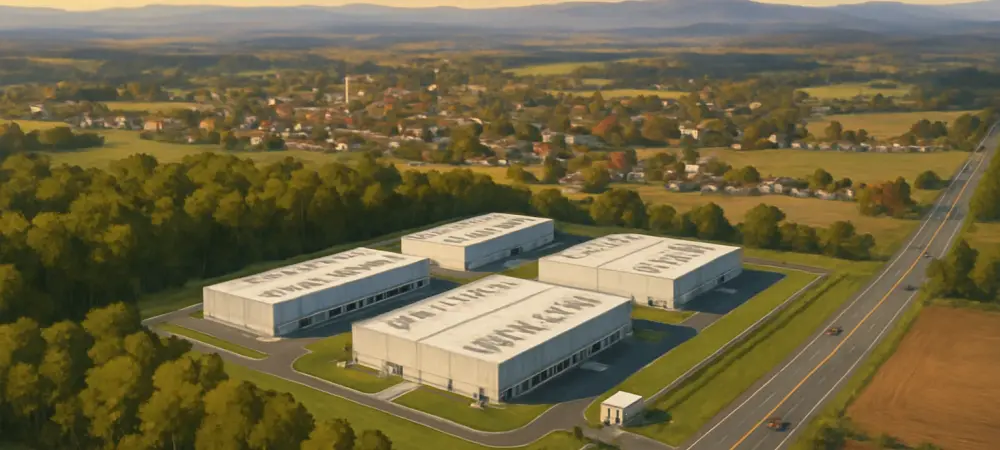
In a rapidly evolving digital landscape where data centers have become the backbone of modern technology, a significant development is unfolding in Montour County, Pennsylvania, that could reshape the region’s industrial and environmental future. Talen Energy, a prominent U.S. independent power producer, has put forward a bold proposal to rezone roughly 1,300 acres of agricultural and public/semi-public land for industrial purposes. This ambitious plan aims to pave the way for a new data center and possibly a power station, highlighting the growing intersection of energy and technology sectors. As demand for digital infrastructure skyrockets, such projects are increasingly common, yet they often spark debates over land use and ecological impact. This rezoning request, submitted on August 18, is now under scrutiny, with local authorities and community stakeholders weighing the economic benefits against potential environmental risks in a decision that could set a precedent for similar initiatives across rural America.
Navigating the Rezoning Process
Understanding the Proposal’s Scope
Talen Energy’s request to transform 1,300 acres in Montour County from agricultural and semi-public zoning to industrial use marks a pivotal step in expanding its footprint in the data center industry. The rezoning application, filed in mid-August, seeks to align the zoning of these parcels with other company-owned lands in the vicinity, creating a cohesive framework for future development. While the exact configuration of the proposed data center and potential power station—whether colocated or separate—remains undisclosed, the scale of the project suggests a significant investment in infrastructure. The Montour County Planning Commission is scheduled to provide its recommendation on October 15, after which the Board of Commissioners will make the final call. Notably, Talen secured a 60-day extension beyond the standard 60-day response period, indicating the complexity and importance of thorough evaluation by local officials to ensure all implications are considered.
Timeline and Decision-Making Dynamics
The rezoning process in Montour County reflects a structured approach to balancing industrial aspirations with community interests, as Talen Energy awaits a critical decision that could shape its strategic goals. Public input and regulatory oversight play essential roles in this evaluation, with the county’s timeline demonstrating a commitment to due diligence. The extension granted to Talen suggests that additional time is necessary to address stakeholder concerns and assess the project’s broader impact. This deliberate pacing underscores the significance of the decision, as the outcome will not only affect Talen’s plans but also influence how similar proposals are handled in the region. The interplay between economic development and local governance is evident, as officials navigate the challenge of fostering growth while safeguarding the area’s character and resources. This case exemplifies the intricate balance between corporate initiatives and public accountability in shaping land use policies.
Addressing Environmental and Strategic Challenges
Environmental Concerns in Focus
A pressing issue surrounding Talen Energy’s rezoning proposal is the potential environmental impact, particularly on a 100-acre parcel adjacent to the Montour Preserve, a cherished local wildlife reserve in Pennsylvania. The Middle Susquehanna Riverkeeper Association has voiced significant concerns about the risks to the preserve’s delicate ecosystem, as well as its recreational value and access to Chillisquaque Creek, which borders the land in question. The proximity of industrial development to such a sensitive area raises alarms about pollution, habitat disruption, and long-term ecological damage. This situation mirrors a broader tension across the country, where the push for technological advancement often collides with the imperative to protect natural spaces. Balancing these competing priorities remains a critical challenge, as stakeholders grapple with how to support innovation without compromising the environmental integrity of rural communities.
Strategic Moves and Regulatory Hurdles
Talen Energy’s foray into data center development is underpinned by a strategic vision to capitalize on the surging demand for digital infrastructure, though it has not been without obstacles. The company, through its subsidiary Cumulus Data, has made notable strides, including a major transaction earlier this year involving the sale of a 960MW data center campus to a leading tech giant for a reported $650 million. However, regulatory setbacks, such as the Federal Energy Regulatory Commission’s rejection of a key Interconnection Service Agreement, have forced Talen to adapt. In response, a 17-year front-of-meter Power Purchase Agreement was secured to deliver 1.92GW of nuclear energy, with full capacity anticipated by 2032. This pivot highlights Talen’s resilience in navigating complex regulatory landscapes while pursuing ambitious projects. The rezoning effort in Montour County is a continuation of this strategy, reflecting a broader trend of energy companies diversifying into tech-driven sectors amid evolving market demands.
Reflecting on Broader Implications
Lessons from Past Endeavors
Looking back, Talen Energy’s journey in the data center realm offers valuable insights into the intricate balance of innovation and regulation that has shaped its path. The sale of a major campus and subsequent power agreements demonstrate the company’s ability to adapt to challenges, even when faced with significant hurdles from federal oversight bodies. Environmental critiques, especially those tied to the Montour Preserve, echo past debates where industrial growth clashed with conservation needs. Each step in Talen’s history, from strategic partnerships to rezoning requests, underscores the multifaceted nature of such projects in rural settings. The deliberate pace of the county’s decision-making process also reflects a learned caution, ensuring that economic promises do not overshadow ecological priorities. These experiences collectively paint a picture of an industry at a crossroads, navigating uncharted territory with each calculated move.
Future Pathways for Sustainable Growth
As the rezoning decision looms, the focus shifts to actionable strategies that could harmonize Talen Energy’s industrial ambitions with Montour County’s environmental and community values. Exploring mitigation measures, such as buffer zones around sensitive areas like the Montour Preserve, emerges as a potential solution to minimize ecological impact. Engaging with local stakeholders through transparent dialogue could also build trust and address concerns proactively. Additionally, leveraging advanced technologies to enhance energy efficiency in data centers might offer a way to reduce the environmental footprint of such facilities. The outcome of this rezoning effort is poised to influence future policies, potentially setting a benchmark for how energy-intensive projects integrate sustainability. As similar initiatives unfold across the nation, the emphasis on collaboration between corporations, regulators, and communities will likely define the trajectory of responsible development in the digital age.