

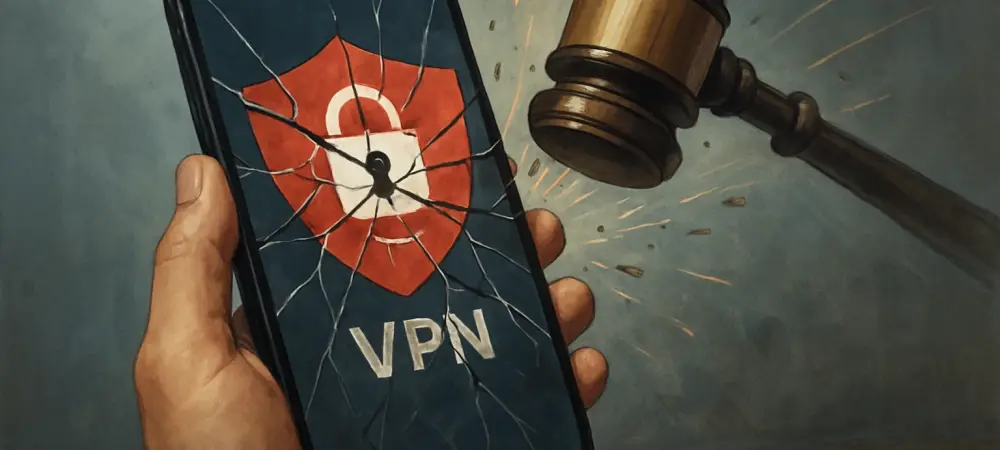
The smartphone VPN went from a quiet privacy sidekick to a public lightning rod as politicians, platforms, and security teams converged on one message: consumer VPNs now sit at the center of debates about age-gating, geoblocking, and device safety, and the comfort with curbing them is no longer fringe. That turn surprised casual users who once saw VPNs as a simple on/off switch for privacy, yet it tracked with mounting warnings from agencies and vendors that questioned whether many mobile VPNs deliver protection or merely reshuffle risk.
The trend’s significance is twofold. First, it reflects a policy pivot: governments have started treating VPN circumvention as an enforcement gap rather than a personal choice. Second, it reveals a technical reality: iOS and Android already encrypt much traffic, so a weak VPN can make things worse while offering little gain. Together, these forces moved VPNs from niche to headline.
From Niche Privacy Tool to Political Flashpoint
Public attention swelled as high-profile disputes put VPNs under the spotlight. VPNs could not unlock a banned app like TikTok, yet they often dodged porn-access geofences—an asymmetry that fueled confusion and calls for tighter controls. Platform moves, including X exposing some account locations, pushed more users to mask IPs, accelerating the cycle.
Meanwhile, security-led skepticism hardened into guidance. The U.S. Cybersecurity and Infrastructure Security Agency reiterated: do not use a personal VPN, citing risk displacement and larger attack surfaces [1]. Google, for its part, flagged certain VPN apps as spyware or unsafe, underlining uneven quality and data-harvesting models across the market [2].
What the Experts Say—and Why It Matters
Government and incident responders argue that consumer VPNs swap trust from ISPs to opaque providers, sometimes layering in trackers, weak logs, or invasive permissions. On mobile, where OS encryption, sandboxing, and secure DNS are common, a bad tunnel can degrade security rather than improve it.
Civil liberties groups counter that VPNs enable access to lawful information and protect vulnerable communities. They warn that blunt restrictions can drift into broader surveillance. Network engineers offer a pragmatic middle path: threat models matter, endpoints rule, and audits—not slogans—separate trustworthy providers from risky ones.
Technical Reality Check on Mobile VPNs
On phones, a VPN can mask IPs, centralize DNS, and help on untrusted Wi‑Fi. It cannot fix app-level tracking, fingerprinting, or account-linking, and it rarely bypasses platform bans. OS features like per-app VPN and split tunneling also mean not all traffic necessarily passes through the tunnel. The bigger hazard is false confidence. Free or poorly built apps may log or leak data, inject SDKs, or require extra certificates, widening exposure. Better defaults—HTTPS, secure DNS, hardware-keystore, prompt updates—often deliver more value than a questionable VPN.
Where the Policy Trend is Heading
In the near term, expect sharper “buyer beware” messaging from agencies and app stores, tighter permission scrutiny, and targeted measures tied to age-gating mandates. Soft pressure—store removals, claim policing, and network tests—will likely grow before hard bans. Beyond that, multiple paths are plausible: certification and audits as prerequisites for listing; regional blocks on known consumer endpoints; or outright prohibitions with enterprise carve-outs. Any crackdown will spur alternatives—proxies, encrypted DNS, and relay networks—in a familiar cat-and-mouse.
Key Takeaways and Next Steps
Consumer VPNs faced a two-front squeeze: credible security critiques and rising political will to limit or ban them. Sensible next steps emphasized risk-based use by individuals, audited and transparent designs by providers, and stronger default safeguards by platforms to reduce reliance on fragile tunnels. Policymakers leaned toward targeting deception and mandating transparency before sweeping bans, while preparing enforcement tools for circumvention pressures.