

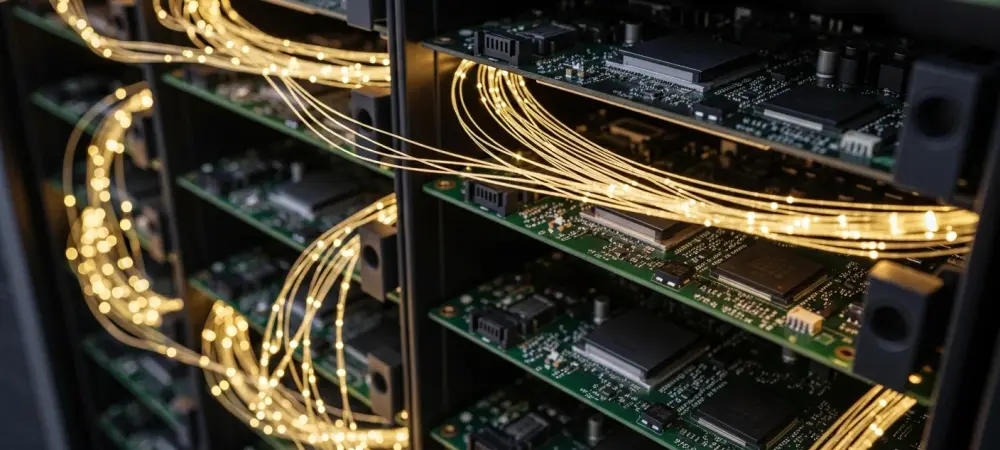
The staggering volume of discarded mobile electronics sitting in desk drawers and industrial warehouses globally represents a dormant computational goldmine capable of completely reshaping the landscape of modern digital infrastructure. This shift toward smartphone-based micro data centers signifies more than just a clever recycling project; it marks a fundamental transition in how computational power is distributed, managed, and sustained across a global network.
The Rise of Decentralized Mobile Infrastructure
Market Dynamics: The Shift Toward Edge Computing
The demand for localized processing has experienced explosive growth as organizations move away from megawatt-scale, centralized facilities in favor of agile units that live at the edge of the network. This transition is largely driven by the urgent requirement for low-latency processing in sectors ranging from autonomous logistics to real-time financial services. Centralized clouds often struggle with the “speed of light” problem, where the physical distance between a user and a server creates unacceptable delays. Consequently, the industry is looking at the billions of active and decommissioned smartphones worldwide as a viable solution for filling these gaps. Statistical data suggests that the global stockpile of idle mobile hardware is growing by hundreds of millions of units annually, representing an untapped reservoir of high-performance silicon currently categorized as e-waste. This realization has turned the search for sustainable server alternatives into a priority for infrastructure planners. Drivers for this adoption are increasingly rooted in the circular economy, where the goal is to extend the utility of existing hardware. By pivoting to mobile-based micro units, companies can sidestep the massive carbon footprint associated with manufacturing new enterprise-grade servers while meeting the rising demand for decentralized power.
Real-World Implementations: Case Studies
Notable projects have already begun demonstrating the efficacy of utilizing retired smartphone clusters as low-cost resource pools. In various pilot programs, discarded handsets are stripped of unnecessary peripherals and networked into cohesive units that function as a single, distributed server. These clusters excel in space-constrained urban environments or remote locations where installing traditional cooling systems and heavy power infrastructure is physically or financially impossible. Because smartphones are designed to operate efficiently with minimal thermal output, they can be tucked into utility closets, basements, or even weather-resistant outdoor enclosures without the risk of overheating.
In the realm of artificial intelligence, these mobile clusters are finding a specific niche in AI inference at the edge. Organizations are increasingly using mobile-based micro data centers to run pre-trained models locally, which allows them to process sensitive data without sending it back to a central hub. For example, a retail facility might use a cluster of repurposed phones to analyze security footage or manage inventory in real-time. This localized approach reduces reliance on expensive cloud bandwidth and provides a layer of data privacy that is often difficult to maintain in a completely centralized environment.
Industry Perspectives on Smartphone-Based Computing
The hardware landscape is currently witnessing a historic convergence as ARM-based mobile processors begin to share architectural DNA with the latest enterprise server chips. Chip architecture experts point out that the energy efficiency inherent in mobile designs is no longer a compromise but a primary requirement for modern data centers. As mobile processors become more powerful, the gap between a high-end smartphone chip and a low-power server chip has narrowed to the point of invisibility. This alignment makes it technically feasible to run enterprise-level workloads on mobile hardware with minimal translation layers, facilitating a smoother transition for developers. Sustainability is no longer a peripheral concern but a core metric for corporate social responsibility leaders who are tasked with meeting strict environmental, social, and governance regulations. Repurposing smartphones directly addresses the crisis of electronic waste by giving a second life to high-value components like rare earth metals and sophisticated silicon. Industry observers note that while traditional server disposal is a liability, a smartphone-based infrastructure strategy transforms that liability into a high-performance asset. This approach allows firms to report significant reductions in their scope 3 emissions, which covers the carbon footprint associated with the entire lifecycle of their equipment.
However, operational hurdles remain a significant topic of discussion among infrastructure managers. There is a clear management burden involved in clustering hundreds of individual mobile devices compared to maintaining a single, standardized rack-mounted server. Experts caution that the overhead of maintaining power delivery, cooling, and physical security for a fragmented array of hardware can be daunting. Without specialized management tools, the complexity of managing these units could potentially outweigh the cost savings, leading to a fragmented maintenance schedule that requires more manual intervention than traditional data center staff are used to providing.
Future Projections and Strategic Implications
The long-term viability of this trend depends heavily on the evolution of orchestration software capable of managing disparate hardware. Predictions suggest that platforms like Kubernetes will eventually adapt to provide native, plug-and-play support for mobile device clusters, treating them as first-class citizens in the containerized ecosystem. This software evolution will likely mask the underlying hardware complexity, allowing IT departments to deploy applications across a fleet of smartphones as easily as they would to a standard cloud instance. Such a development would drastically lower the technical barrier to entry for small businesses that need localized power without the high capital expenditure.
A potential solution to the computational density problem lies in the emergence of specialized Neural Processing Units in mobile hardware. Future mobile chips are expected to include NPU components that could rival traditional server-side acceleration for specific AI tasks. If this occurs, the “GPU bottleneck” currently hindering mobile clusters could be bypassed entirely, making smartphone-based micro data centers a dominant force in decentralized machine learning. However, this transition is not without risks, as the security vulnerabilities inherent in fragmented hardware and the potential for increased software complexity could create new attack surfaces for malicious actors.
Summary and Final Outlook
The exploration of smartphone-based micro data centers highlighted a critical intersection between the demand for edge computing and the necessity of environmental sustainability. It was found that while the technical hurdles of clustering and orchestration remained significant, the architectural alignment between mobile and enterprise hardware provided a clear path forward. The evidence suggested that repurposing e-waste into localized computing pools offered a viable, low-cost alternative for organizations that prioritized low latency and responsible resource management. Researchers concluded that the move toward these decentralized units represented a logical evolution in the quest for a more resilient and eco-friendly digital grid. Leadership teams were encouraged to evaluate their current infrastructure through the lens of hardware repurposing and software-defined architectures. The transition required a strategic shift in how assets were valued, moving from a model of disposability to one of continuous utility. Technology pioneers who chose to invest in the software layers necessary to manage these clusters gained a distinctive competitive edge by reducing operational costs and meeting aggressive sustainability targets. Ultimately, the integration of mobile technology into the data center stack proved to be a transformative development that bridged the gap between modern AI demands and the global need for a circular economy.