

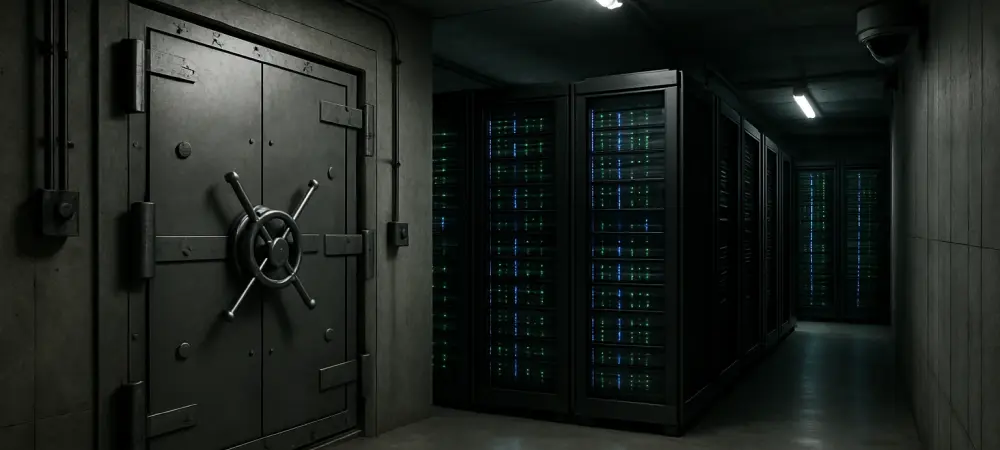
In an era where global uncertainties loom larger than ever, imagine a world where the backbone of digital life—data centers—must be shielded from both cyber and physical threats in fortified underground strongholds. The rise of secure bunker data centers represents a critical response to escalating geopolitical tensions and cyber risks, safeguarding the information that powers economies and societies. These facilities, often repurposed from historical shelters or built with military-grade protection, are becoming a cornerstone of resilient digital infrastructure. This analysis delves into the growing trend of fortified data storage, spotlighting industry shifts, real-world examples like Bahnhof’s strategic pivot in Sweden, expert perspectives, and the future trajectory of this vital sector in a volatile landscape.
The Growing Demand for Secure Data Infrastructure
Escalating Security Threats and Market Growth
The surge in demand for secure data centers is a direct consequence of mounting global conflicts and sophisticated cyber threats that jeopardize critical information systems. Reports indicate a significant uptick in the adoption of fortified facilities, with Europe emerging as a key hub due to its proximity to unstable regions and historical infrastructure suited for such conversions. According to recent industry studies, the market for secure data storage solutions has grown by over 30% in the past few years, driven by the need to protect sensitive data from both physical and digital attacks in an increasingly unpredictable world.
This trend is further fueled by the recognition that traditional data centers, often located in urban areas, are vulnerable to disruptions ranging from power outages to targeted strikes. Governments and private enterprises alike are investing heavily in infrastructure that can withstand crises, with projections suggesting continued expansion of this sector through at least 2027. The urgency to fortify digital assets underscores a broader shift toward resilience as a non-negotiable priority in data management strategies across the continent.
Case Study: Bahnhof’s Strategic Transition
A striking example of this shift is evident in the recent decisions by Bahnhof, a prominent Swedish data center company, to abandon its ambitious Elementica project in Stockholm for a fortified alternative in Gothenburg. The Elementica initiative, envisioned as a cutting-edge, 21MW, eight-story urban facility with innovative features like waste heat reuse and solar integration, was shelved after years of delays, reflecting a recalibration of priorities amid global security concerns. The decision highlights how even forward-thinking designs can be sidelined when safety takes precedence over aesthetics.
Instead, Bahnhof has turned its focus to the Bahnhof Bunker in Gothenburg, a facility being constructed within a World War II-era bomb shelter, with completion targeted for next year. This underground stronghold contrasts sharply with the exposed, urban design of Elementica, prioritizing protection over visual appeal. The move signals a deliberate pivot toward infrastructure that can endure both physical and geopolitical storms, setting a precedent for others in the industry.
Industry Perspectives on Bunker Data Centers
The rationale behind such strategic shifts is articulated by Bahnhof CEO Jon Karlung, who describes the Gothenburg bunker as a beacon of “digital freedom, security, and resilience.” His vision positions these fortified facilities as more than just storage spaces—they are bastions of stability in an era of uncertainty, ensuring that data remains accessible and safe regardless of external threats. Karlung’s perspective reflects a growing sentiment that the role of data centers extends beyond technology to encompass societal continuity.
Broader industry voices echo this emphasis on security over urban-centric, visually striking projects, noting the inherent challenges of retrofitting historical structures or building new bunkers. Experts point out that while such facilities offer unmatched protection, they often come with higher costs and complex engineering demands compared to conventional designs. Nevertheless, the strategic importance of safeguarding digital infrastructure in regions prone to instability is seen as outweighing these hurdles, driving a consensus toward fortified solutions.
A further consideration is the balance between innovation and pragmatism, as many in the sector grapple with the trade-offs of moving away from accessible, modern facilities to remote or underground ones. The consensus leans toward prioritizing long-term resilience, especially in Europe, where historical bunkers provide a ready foundation for adaptation. This perspective underscores the industry’s evolving mindset, viewing security as an investment rather than a compromise.
Future Outlook for Secure Bunker Facilities
Looking ahead, the trend of repurposing historical or underground structures for data centers is poised to gain traction, particularly in regions with abundant wartime relics that can be modernized. The potential for wider adoption lies in the inherent durability of such sites, which offer natural protection against physical threats and can often be adapted with sustainable cooling systems due to their subterranean nature. This approach could redefine how data storage infrastructure is planned and implemented globally.
However, challenges such as high initial costs, limited scalability, and the logistical complexities of retrofitting old structures remain significant barriers. Balancing these drawbacks with the benefits of enhanced security and resilience will be crucial for stakeholders aiming to expand this model. Additionally, the environmental impact of such projects must be considered, as energy-intensive data centers require careful integration with green technologies to remain viable in the long term.
The broader implications for the data storage industry are profound, especially in geopolitically unstable areas where the risk of disruption is acute. On the positive side, bunker facilities could ensure uninterrupted digital services, bolstering economic stability and national security. Conversely, an over-reliance on fortified but isolated infrastructure might hinder accessibility and innovation, creating a fragmented digital landscape if not managed with foresight.
Key Takeaways and Forward-Looking Insights
The critical trend of prioritizing security in data centers, exemplified by Bahnhof’s pivot to the Gothenburg bunker, captures a defining moment in the industry’s evolution. This shift reaffirms the paramount importance of resilient digital infrastructure in navigating an uncertain global environment. The move from urban, innovative designs to fortified, protective facilities highlights a pragmatic response to contemporary challenges.
Reflecting on this trajectory, it becomes clear that industry stakeholders must strike a delicate balance between pushing technological boundaries and ensuring unyielding security. A forward-looking approach would involve investing in hybrid models that combine the strengths of modern design with the robustness of bunker-style infrastructure. By fostering collaboration between engineers, policymakers, and cybersecurity experts, the sector could address scalability and cost concerns while fortifying against future risks.
Ultimately, the journey underscores a pivotal lesson: adaptability is key to safeguarding the digital future. As threats evolve, so too must the strategies to counter them, ensuring that data—the lifeblood of modern society—remains protected. The next steps should focus on integrating advanced technologies with fortified designs, paving the way for a resilient yet innovative path forward in data storage solutions.