

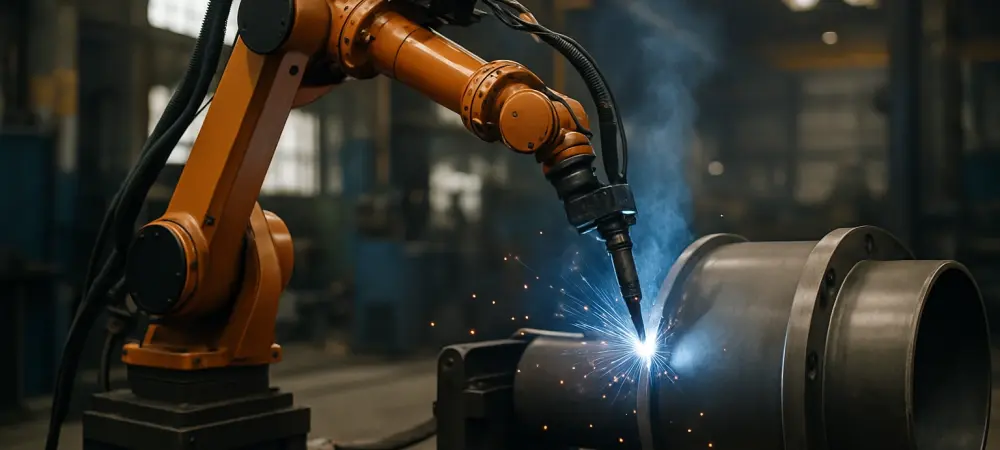
Imagine a factory floor where machines weld intricate components with pinpoint accuracy, tirelessly handle massive structural beams, and adapt to complex tasks without human intervention—this is the reality of modern metal fabrication, driven by the revolutionary rise of robotics. The integration of robotic systems is transforming an industry once defined by manual labor, addressing critical challenges such as precision demands, operational efficiency, and the need for scalability in an increasingly competitive market. This analysis delves into the current trends shaping robotic adoption, showcases real-world innovations, captures expert insights, explores future possibilities, and highlights key takeaways for stakeholders in the metal fabrication sector.
The Rise of Robotics in Metal Fabrication
Industry Growth and Adoption Trends
The metal fabrication industry is witnessing a significant surge in robotic adoption, with automation becoming a cornerstone of modern manufacturing. Recent industry reports indicate that investment in robotics has grown substantially over the past few years, with projections estimating a steady increase in market size from 2025 to 2027, driven by the need for enhanced productivity. Events like Fabtech, North America’s premier metal fabrication trade show held in Chicago, have highlighted this trend, with over 1,700 exhibitors showcasing automation as a solution to labor shortages and rising demand.
This growth is not merely a response to immediate needs but a strategic shift toward long-term sustainability. Companies are prioritizing robotic systems to reduce operational costs and improve output quality, as evidenced by data from leading market analyses that track a consistent rise in automation budgets. The focus on robotics reflects a broader industry acknowledgment that staying competitive requires embracing cutting-edge technology.
Moreover, the adoption rate is particularly pronounced in sectors requiring high precision and repetitive tasks, such as automotive and construction fabrication. The push for robotics is also fueled by advancements in affordability, making these systems accessible to small and medium-sized enterprises that previously relied on traditional methods. This democratization of technology is reshaping the industry landscape, creating a more inclusive automation ecosystem.
Real-World Applications and Innovations
At the forefront of this transformation are specific innovations showcased at Fabtech in Chicago, where industry leaders demonstrated how robotics addresses diverse fabrication needs. FANUC, a key player in automation, presented their CRX-10iA and Arc Mate welding robots, designed for tight spaces and heavy-duty tasks like repairing industrial equipment. These systems highlight the ability of robotics to adapt to varying operational challenges with unmatched accuracy.
Universal Robots also made a notable impact by unveiling advanced welding robots capable of managing intricate parts and extended seams, a significant evolution in their product line. Their partnerships with firms specializing in laser welding and plasma cutting further emphasize the trend toward modular, collaborative robotic solutions. Such innovations ensure that even complex, multi-step processes can be streamlined without compromising on quality.
Additionally, Kawasaki Robotics offered an interactive experience with their Velo-S Cell, allowing real-time welding demonstrations for custom parts. Meanwhile, AGT Robotics focused on large-scale applications with systems like the BeamMaster, integrating AI-driven software for precision in fabricating structural components such as I-beams. These examples collectively illustrate how robotics caters to a spectrum of needs, from small, detailed work to massive industrial projects, reinforcing the technology’s versatility.
Expert Perspectives on Robotic Integration
Insights from industry leaders at Fabtech underscore a unified view that robotics is indispensable for the future of metal fabrication. Exhibitors and thought leaders emphasized that automation is no longer an option but a necessity to address persistent challenges like skilled labor shortages and the growing complexity of projects. The consensus points to robotics as a foundational element in maintaining operational continuity amidst market fluctuations.
A recurring theme in expert discussions is the critical role of artificial intelligence and collaborative systems in enhancing robotic capabilities. AI integration allows for adaptive learning, enabling robots to handle unexpected variables in real-time, while collaborative setups ensure safe interaction with human workers. These advancements are seen as pivotal in scaling operations, particularly for manufacturers dealing with bespoke or high-variability tasks.
Furthermore, experts highlighted the potential of robotics to redefine adaptability across diverse manufacturing scenarios. The ability to reprogram systems for different projects without extensive downtime was frequently cited as a game-changer, offering flexibility in an industry often constrained by rigid processes. Such perspectives signal a shift toward viewing robotics not just as tools, but as strategic assets that drive innovation and competitiveness.
Future Outlook for Robotics in Fabrication
Looking ahead, the trajectory of robotics in metal fabrication points to deeper integration of AI and more sophisticated collaborative systems. Trends observed at recent industry events suggest that future robots will likely feature enhanced decision-making capabilities, allowing for greater autonomy in complex environments. This evolution promises to further elevate productivity and quality, setting new benchmarks for manufacturing excellence.
However, the path forward is not without hurdles, as high initial costs and the demand for skilled technicians to operate and maintain these systems remain significant barriers. Addressing these challenges will require targeted training programs and innovative financing models to make robotics accessible to a broader range of businesses. Overcoming these obstacles is essential to fully realizing the potential of automation in reshaping industry standards.
On a global scale, the continued advancement of robotics is expected to influence competitiveness, with manufacturers leveraging these technologies to meet international demand for precision and speed. As the industry anticipates events like Fabtech 2026 in Las Vegas, the focus will likely remain on pushing technological boundaries and fostering collaboration. This forward momentum suggests that robotics will play an even more central role in defining the future of metal fabrication worldwide.
Conclusion and Call to Action
Reflecting on the insights gained, it becomes clear that robotics has already begun to redefine metal fabrication through groundbreaking innovations and strategic integrations. The journey from manual processes to automated precision marks a significant milestone for the industry. Each advancement, from AI-driven systems to collaborative robots, contributes to a narrative of progress that is evident in every showcased technology. As a next step, manufacturers and stakeholders should prioritize exploring robotic solutions tailored to their specific operational needs, ensuring alignment with long-term goals. Engaging with upcoming industry events offers a valuable opportunity to network with innovators and gain hands-on experience with emerging tools. This proactive approach will be crucial in navigating the evolving landscape of automation.
Beyond adoption, there lies an opportunity to shape the future by investing in workforce development to bridge the skills gap associated with advanced systems. Collaborating with educational institutions and industry bodies to build a pipeline of talent equipped for robotic integration is seen as a vital consideration. Such initiatives promise to sustain the momentum of technological transformation while fostering resilience in the face of future challenges.