

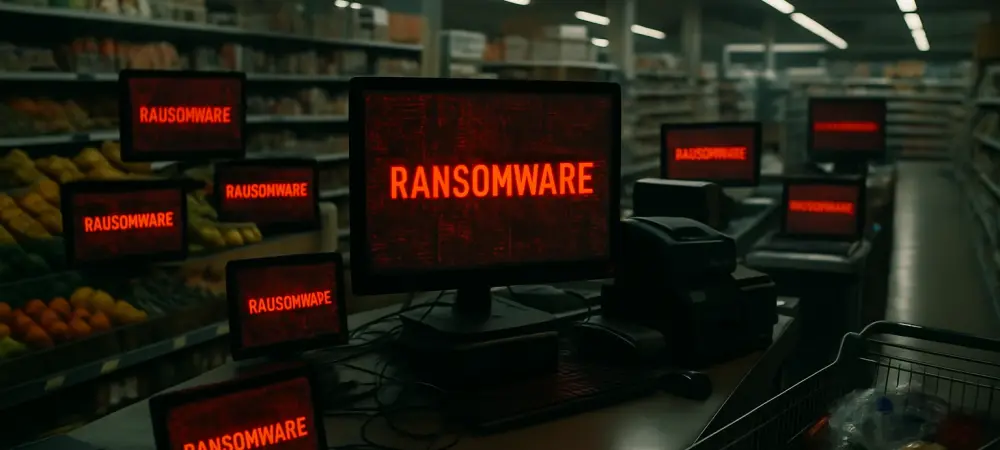
Ransomware attacks have steadily dominated headlines for their ability to incapacitate various sectors, with attackers now deftly shifting focus toward the lucrative retail industry. As the healthcare sector ramps up its cybersecurity defenses, cybercriminals are hunting for more appealing and vulnerable targets. As ransomware continues its relentless surge, recognizing and understanding its evolving trends in retail become increasingly pivotal for businesses. The significance of ransomware’s pivot to retail cannot be overstated. Retail, a sector synonymous with customer data and financial transactions, presents an attractive target, drawing cybercriminals to its perceived weaknesses. Recognizing these trends not only facilitates the development of effective countermeasures but also enables a holistic understanding of the future cyber threat landscape. This article will delve into the current trends of ransomware targeting retailers, real-world examples, expert opinions, and what lies ahead for this essential industry.
Ongoing Ransomware Trends in Retail
Statistical Overview of Retail Ransomware Attacks
Recent data highlights a concerning increase in ransomware attacks aimed at the retail sector. The analytics firm Comparitech points to a significant spike, showcasing an alarming 85% rise in incidents targeting retailers with confidential statistics. This stark increase in attacks exposes retailer vulnerabilities, with hackers capitalizing on weak security systems. As ransomware peaks, each attack brings its own set of ramifications, urging retailers to take urgent steps to safeguard their most valuable assets.
Several credible reports substantiate these findings, revealing the industry’s growing susceptibility to cyber threats. As technology advances, the surge in targeted attacks underscores the retail sector’s need for robust cybersecurity solutions. The upward trajectory of ransomware, complemented by its adept evolution into sophisticated techniques, offers valuable insights into the ever-expanding threat and its future implications.
Real-World Cases of Ransomware Impacting Retail
Concrete examples demonstrate ransomware’s disruptive power in retail, with several high-profile breaches underscoring its widespread ramifications. Notable companies like Target and Home Depot have experienced ransomware incursions, showcasing persistent threats to operational functionality. These incidents highlight the prevalence of ransomware in the retail sphere, urging enterprises to remain vigilant against evolving cyber threats.
Case studies further illustrate the challenges faced by retailers in combating ransomware. Reports detail scenarios where customer data was compromised, leading to potential legal entanglements and financial losses. Retailers caught in the crosshairs of cybercriminals illustrate the urgency of fortifying defenses against increasingly cunning and ambitious attackers.
Expert Insights on Retail Ransomware Threats
Recognized professionals weigh in on ransomware’s impact on retail, offering crucial insights into the industry’s evolving landscape. Rebecca Moody, head of data research at Comparitech, asserts that the retail industry’s high reward potential and inadequate security protocols make it a compelling target for cybercriminals. Her views underscore the need for retailers to prioritize cybersecurity investments to thwart hostile threats and safeguard their operations.
Experts further elucidate the challenges faced by retailers, emphasizing that well-coordinated cybercrime syndicates are adept at identifying, exploiting, and infiltrating weak points. The collective understanding of ransomware’s evolving dynamics offers invaluable foresight for retailers leveraging effective counter-strategies to stem the tide of attacks. As cybercrime methodologies advance, expert opinions underscore the importance of adaptive resilience in maintaining secure operations.
Future Prospects for Retail Ransomware
Reflecting on the future reveals retail’s potential trajectory in confronting ransomware threats. As attackers continue to exploit sector vulnerabilities, future developments may include advanced techniques, refined strategies, and more sophisticated approaches. Ransomware’s ability to adapt and morph necessitates a forward-thinking approach among retailers to prepare for probable scenarios.
The retail industry’s response might entail bolstering cybersecurity frameworks and employing rapidly evolving technologies, potentially reducing vulnerabilities. While challenges loom, opportunities arise for retailers to implement enhanced security measures. As the threat landscape progresses, the industry must remain proactive and ready to counteract ransomware’s advanced incursions.
Concluding Thoughts on Retail Ransomware Trends
In retrospect, ransomware’s shift to retail sheds light on industry vulnerabilities, urging retailers to bolster defenses and remain vigilant. The detailed examination reaffirms the sector’s need for enhanced security to combat modern threats. Looking ahead, retailers can draw from expert insights and leverage informed strategies to counter future ransomware adversities. With successful implementation, the industry can foster robust systems, safeguarding valuable assets while navigating a dynamic landscape of threats.