

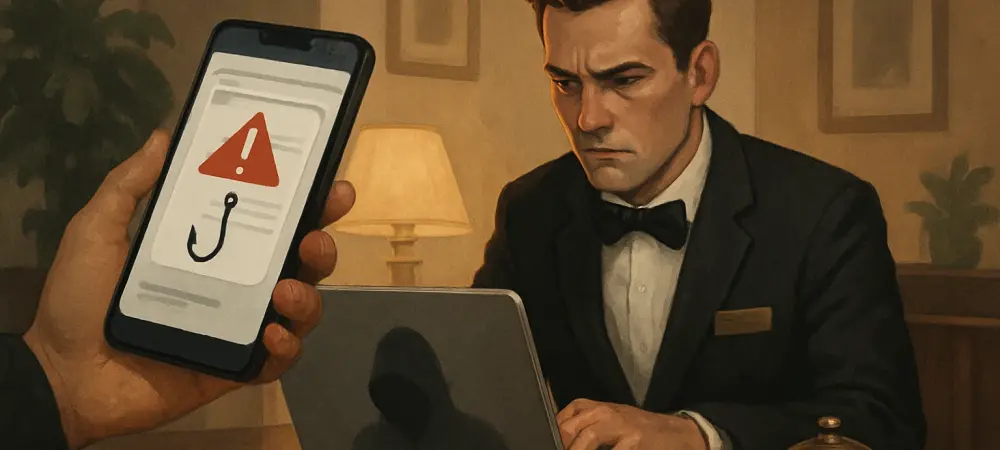
In a startling revelation, a hotel guest recently discovered they had paid for their reservation not once, but twice—first to the legitimate hotel and then to a cunning cybercriminal, highlighting a growing threat in the hospitality sector. This incident is not an isolated case but part of a broader wave of phishing scams sweeping through the industry, exploiting the trust inherent in travel transactions. With digital bookings and communications becoming the norm, the industry has seen a sharp rise in sophisticated cyber fraud, particularly targeting hotels and their customers. This analysis delves into the alarming “I Paid Twice” phishing campaign, examining its mechanics, real-world impact, expert insights, future implications, and practical steps to combat this growing threat.
Unveiling the “I Paid Twice” Phishing Threat
Scale and Spread of the Scam
The “I Paid Twice” phishing campaign, active since at least April of this year, has emerged as a significant menace to the hospitality industry, according to reports from cybersecurity researchers. Experts note that phishing attacks targeting this sector have surged, with a notable increase in attempts to steal sensitive booking data, as highlighted by recent industry threat assessments. This particular scam has gained traction by leveraging social engineering tactics to deceive both staff and guests.
At the core of this campaign lies the deployment of PureRAT malware through a method known as ClickFix, which tricks hotel employees into accessing fraudulent URLs under the pretense of verifying customer payment details. Once clicked, these malicious links enable cybercriminals to harvest credentials, paving the way for financial fraud. The rapid proliferation of such attacks underscores a troubling trend of escalating cyber threats in an industry heavily reliant on digital interactions.
The scale of this issue is further evidenced by the growing number of reported incidents across global hotel chains, indicating a coordinated effort by cybercriminals to exploit vulnerabilities in email communications. As digital transactions continue to dominate the travel sector, the sophistication and reach of these phishing efforts are expected to intensify, posing a persistent challenge to cybersecurity defenses.
Real-World Impact and Examples
A vivid example of the scam’s devastating effect involves a traveler who, after making a legitimate hotel reservation, received a seemingly authentic follow-up email requesting payment confirmation. Unbeknownst to them, this led to a second payment directed to a cybercriminal, effectively doubling their expense. This dual payment scenario illustrates how the scam preys on trust in routine hotel correspondence, leaving victims financially burdened.
Beyond individual losses, the scam disrupts hotel operations by eroding customer confidence and burdening staff with the fallout of fraudulent transactions. The deception often begins with staff members, who are misled into facilitating the scam by interacting with phishing emails disguised as urgent customer inquiries. Such incidents reveal a critical vulnerability in the communication chain between hotels and their guests.
Additional documented cases across the hospitality sector point to a recurring pattern of similar phishing schemes, where cybercriminals impersonate trusted entities to extract sensitive information or payments. These widespread occurrences highlight the urgent need for heightened awareness and robust defenses to protect both the industry and its clientele from falling prey to such deceptive tactics.
Expert Perspectives on Cybersecurity in Hospitality
The escalating threat of phishing scams has prompted cybersecurity professionals to advocate for stronger protective measures within the hospitality industry. Javvad Malik, a leading CISO advisor, emphasizes the necessity of advanced email security systems designed to detect and block phishing attempts before they reach employees or customers. Such technology serves as a critical first line of defense against increasingly sophisticated attacks.
Equally important is the role of security awareness training for hotel staff, who are often the initial targets of these scams. Teaching employees to scrutinize sender authenticity and exercise caution with suspicious links can significantly reduce the risk of falling victim to phishing. This human-centric approach complements technological solutions, creating a more resilient barrier against cyber fraud.
For customers, expert recommendations focus on adopting safer digital habits to avoid becoming targets. Navigating directly to trusted booking platforms instead of clicking on links in unsolicited messages is a simple yet effective precaution. By fostering skepticism toward unexpected communications, travelers can protect themselves from the financial and emotional toll of such scams.
Future Outlook: Evolving Threats and Defenses
Looking ahead, phishing tactics like the “I Paid Twice” campaign are likely to evolve with advancements in social engineering and malware technology, becoming even more deceptive and harder to detect. Cybercriminals may leverage artificial intelligence to craft hyper-personalized messages, further exploiting trust in digital interactions. This potential shift signals a pressing need for the hospitality sector to stay ahead of emerging threats.
Enhanced cybersecurity measures offer promising benefits, such as minimizing financial losses and preventing data breaches that could tarnish a hotel’s reputation. However, challenges remain, including the costs associated with implementing comprehensive training programs and ensuring user compliance across diverse teams. Balancing these investments with operational priorities will be a key hurdle for many establishments.
On a broader scale, the hospitality industry must consider adopting industry-wide standards and fostering collaboration to combat cyber threats effectively. Sharing intelligence on phishing trends and best practices could create a unified front against fraud. Such collective efforts, while complex to coordinate, are essential for building a safer digital environment for travelers and businesses alike over the coming years.
Key Takeaways and Call to Action
The “I Paid Twice” phishing scam stands as a stark reminder of the vulnerabilities facing the hospitality industry, with its profound financial and operational impact on hotels and customers alike. This analysis has underscored the multi-layered prevention strategies required, from cutting-edge email filtering to rigorous staff training, to mitigate the risks posed by such cyber fraud. Vigilance and education remain paramount in addressing these challenges.
Reflecting on the insights shared, it becomes clear that the journey to safeguard the sector demands proactive steps from all stakeholders. Hotels are urged to prioritize investments in security training and technology, ensuring that staff are equipped to identify and thwart phishing attempts. Meanwhile, customers are encouraged to adopt safer online practices, such as verifying communications through official channels.
As the threat landscape continues to shift, the focus turns toward building resilience through innovation and collaboration. Establishing partnerships across the industry to develop shared defenses and rapid response mechanisms emerges as a vital next step. By embracing these measures, the hospitality sector can better protect its future, turning the tide against the relentless wave of cybercrime.