

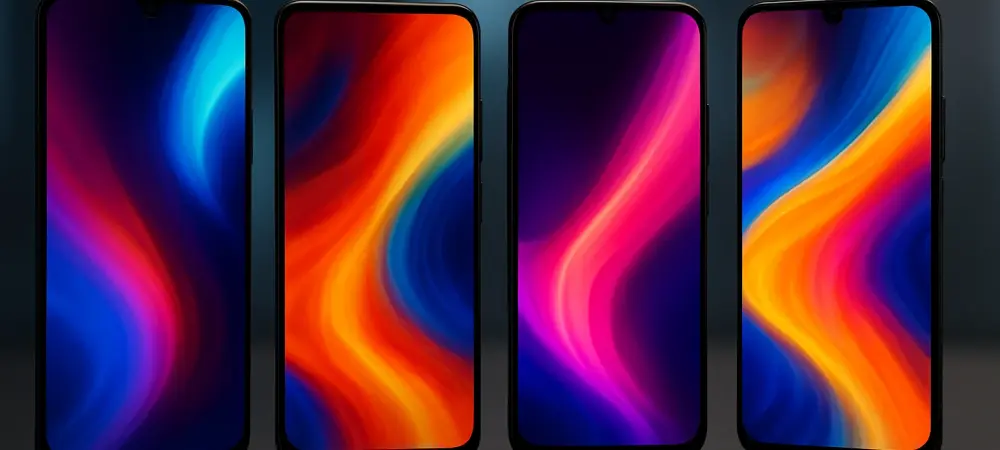
With more than 70% of today’s high-end mobile devices featuring OLED displays, this technology has swiftly become the standard in the smartphone industry. OLED (Organic Light-Emitting Diode) displays offer stunning visuals, excellent battery efficiency, and slim designs—attributes that have significantly transformed consumer expectations and mobile experiences. This evolution toward OLED is reshaping market dynamics as manufacturers integrate these displays to leverage superior performance and aesthetics.
The significance of OLED displays in mobile technology is immense, as they elevate screen quality with vibrant colors and deep contrast ratios while providing flexibility in design and energy efficiency. This article explores the rapid adoption of OLED displays, analyzes industry insights, and discusses potential future developments. We also consider the implications of OLED innovation for manufacturers and end-users alike.
The Rise of OLED Technology in Mobile Devices
Data-Driven Insights and Adoption Rates
In the last two years, the presence of OLED technology in mobile devices has skyrocketed, nearly doubling from prior market penetration. Current statistics reveal that OLED holds a significant market share in the mobile sector, particularly in premium devices. OLED’s attributes have convinced major manufacturers to adopt it extensively, leading to steady year-over-year growth and indicating it is on its way to becoming a standard feature in upcoming mobile phones. Various reports confirm OLED’s dominance, citing it as the preferred choice for its remarkable visual output and adaptation to thinner, lighter designs. The advantages of OLED displays make them suitable for high-end mobile devices and flagship products. Industry leaders recognize OLED as a performance-enhancing feature, giving it an edge in competitive markets. Companies that strategically focus on OLED integration are better positioned to satisfy the constantly evolving demands of discerning consumers seeking top-tier experiences from their smartphones.
Real-World Applications and Case Studies
Several leading brands, such as Samsung and Apple, have embraced OLED displays for their flagship models, significantly enhancing user experiences and device capabilities. For instance, Apple’s iPhone series and Samsung’s Galaxy line consistently adopt OLED to offer users immersive and vibrant screen interactions. Their adoption of OLED technology not only amplifies product appeal but also elevates stock in fiercely competitive markets.
In numerous case studies, OLED displays have revolutionized smartphone interfaces by offering increased brightness and contrast, which improves visibility under diverse lighting conditions. OLED’s design flexibility allows companies to produce thinner mobile devices while achieving superior performance metrics. As seen in other technological advancements, companies using OLED are on the frontline of innovation, enhancing functionality and user satisfaction through high-end display quality.
Expert Perspectives on OLED Trends
Insights from industry experts and tech visionaries emphasize OLED’s influential role in shaping the future of mobile devices. They indicate that OLED is central to redefining user experiences, equipping devices with superior display capabilities. Influential thought leaders within the industry acknowledge the transformative power of OLED while also discussing the challenges associated with its mass adoption, such as production cost and supply chain management.
Experts identify emerging opportunities for OLED technology, such as incorporating advanced features heightened by OLED’s natural properties, like energy conservation. They also discuss the rising interconnectivity of OLED displays with other smart technologies, highlighting a future where flexible screens and integrated visuals redefine consumer electronics. This perspective amplifies the importance of staying ahead in OLED innovations to maintain competitive advantages.
Future Outlook for OLED Displays in Mobile Devices
Recent developments suggest that OLED technology will continue its evolutionary trajectory, introducing more advanced display solutions in the coming years. Advancements are expected to enhance energy efficiency and design flexibility further, with innovations such as rollable and foldable displays entering the stage. These advancements enable mobile devices to function adaptively within various contexts, providing novel user experiences and broadening the scope of design possibilities.
The future of OLED encompasses promising opportunities and certain challenges that influence its industry impact. With OLED technology’s widespread adoption, it will likely spur considerations surrounding sustainability and production efficiency. Furthermore, OLED might evolve mobile devices beyond current capabilities, resulting in a market characterized by innovation-driven products and pioneering designs.
Summary and Future Considerations
In summary, OLED displays have critically impacted mobile device evolution, not only by enhancing visual and aesthetic aspects but also by setting new standards in performance and user experience. The article underscores the escalating role of OLED in defining market trends, emphasizing the importance of anticipating future developments to stay competitive. As OLED technology continues to develop, stakeholders are encouraged to leverage its potential, recognize its broader implications, and remain adaptable to technological shifts that may accompany OLED advancements in mobile devices.