

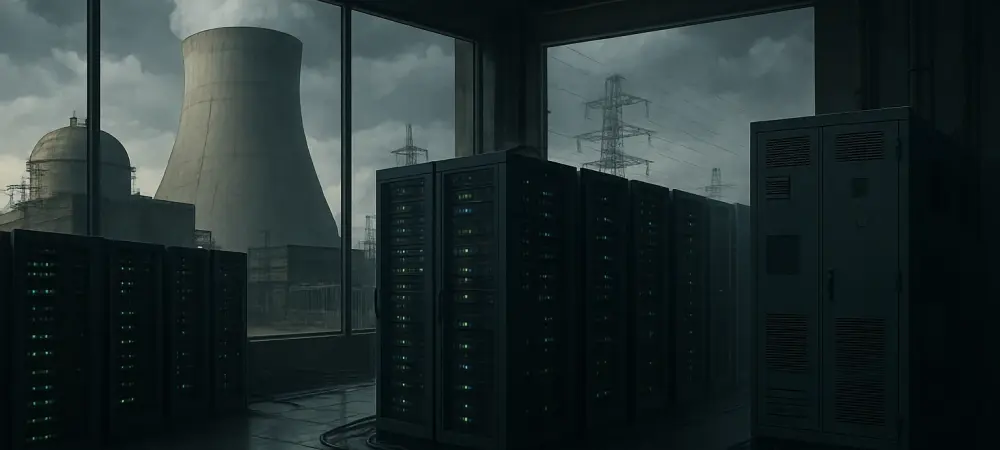
The energy appetite of AI data centers is staggering, with some facilities consuming as much power as small cities, and projections estimate that global data center energy demand could double by the end of this decade. Amid this unprecedented surge, nuclear power is emerging as a compelling solution to fuel the computational engines driving artificial intelligence. This trend is not just a technological curiosity but a critical response to the urgent need for sustainable, high-capacity energy sources that can keep pace with AI’s rapid expansion. This analysis explores the current landscape of nuclear power for data centers, delves into pioneering real-world projects, examines expert insights, evaluates future implications, and offers a reflective summary on this evolving intersection of energy and technology.
The Rising Demand for Power in AI Data Centers
Energy Needs and Nuclear’s Role
AI data centers are power hogs, with energy consumption growing exponentially as machine learning models become more complex and widespread. Industry reports suggest that data centers worldwide currently account for about 1-2% of global electricity use, with projections indicating a rise to 3-4% within the next five years. A single high-end AI training cluster can demand several megawatts of power, and as companies scale operations, the need for gigawatt-scale energy solutions becomes undeniable. Nuclear energy stands out as a viable option due to its ability to provide consistent, high-output power, unlike intermittent sources such as solar or wind. Studies from energy research bodies highlight that a single nuclear reactor can generate enough electricity to power multiple large-scale data centers without the carbon footprint associated with fossil fuels. This stability is crucial for tech companies aiming to meet both operational demands and sustainability goals under increasing regulatory and public scrutiny.
The push for nuclear is also driven by the sheer scale of future projections. As AI applications expand into sectors like healthcare, finance, and autonomous systems, the energy infrastructure must evolve rapidly. Nuclear power, with its capacity for baseload energy, offers a pathway to bridge this gap, positioning it as a cornerstone in discussions about the tech industry’s energy future.
Real-World Applications and Pioneering Projects
In a bold move to address these energy challenges, Fermi, a real estate investment trust, has unveiled plans to construct four large-scale nuclear reactors in the Texas Panhandle. This ambitious project aims to create a private data center grid campus, specifically tailored to meet the colossal power needs of AI operations. To navigate the complexities of such an undertaking, Fermi has forged partnerships with South Korean firms Doosan Enerbility and Hyundai Engineering & Construction, leveraging their expertise in reactor technology and engineering for the Westinghouse AP1000 design.
Elsewhere, tech giants are also turning to nuclear solutions. Constellation Energy Corporation recently restarted the Three Mile Island plant in Pennsylvania to supply power for Microsoft’s expansive data center operations. This initiative underscores a growing trend among major technology firms to secure reliable, clean energy sources as they scale up AI-driven services, reflecting a broader industry shift toward nuclear as a strategic asset.
These projects are more than isolated experiments; they represent a potential paradigm shift in how data centers source power. While Fermi’s Texas initiative focuses on building new infrastructure, the revival of existing plants like Three Mile Island demonstrates a dual approach—utilizing both innovation and legacy resources. Together, these efforts highlight the tangible steps being taken to align nuclear energy with the tech sector’s voracious energy demands.
Insights and Perspectives from Industry Leaders
Expert opinions on nuclear power for AI data centers reveal a spectrum of optimism tempered by pragmatism. Rick Perry, co-founder of Fermi and former U.S. Secretary of Energy, has been vocal about the transformative potential of nuclear energy to meet the unprecedented demands of AI technologies. He argues that large-scale reactors can provide the reliable, carbon-free power necessary to sustain tech growth while aligning with global climate goals.
Financial analysts on Wall Street have also taken notice, with Fermi’s stock surging by up to 9% following the announcement of its Texas project, accompanied by positive ratings. However, caution prevails due to the company’s current lack of revenue and the historical challenges plaguing nuclear projects, such as cost overruns and delays. This mixed sentiment reflects a broader concern about whether ambitious plans can translate into operational success given past industry struggles.
Beyond individual projects, industry sentiment points to a nuclear renaissance, with debates centering on the merits of traditional large reactors versus small modular reactors (SMRs). While large reactors promise immense output, SMRs are gaining traction for their flexibility and potentially lower costs, offering a complementary path. This diversity of thought among leaders suggests that the nuclear solution for tech energy needs may not be one-size-fits-all, but rather a blend of approaches tailored to specific demands and constraints.
Future Outlook for Nuclear Power in Tech Energy Solutions
Looking ahead, advancements in nuclear technology and supportive policy frameworks could pave the way for projects like Fermi’s to succeed. Innovations in reactor design, particularly in safety and efficiency, alongside potential federal incentives for clean energy, may reduce some of the financial and logistical barriers. Streamlined regulatory processes could further accelerate timelines, making nuclear a more attractive option for tech companies under pressure to expand rapidly. The benefits of nuclear power for AI data centers are clear—carbon-free energy and unmatched reliability offer a sustainable alternative to traditional grids. However, challenges loom large, including exorbitant upfront costs, supply chain bottlenecks such as shortages of transformers, and a dearth of skilled labor. Historical examples like the Vogtle project in Georgia, plagued by delays and budget overruns, serve as stark reminders of the risks involved, casting doubt on whether current initiatives can avoid similar pitfalls.
Broader implications of these nuclear endeavors extend beyond tech. Success in projects like Fermi’s could redefine energy strategies across high-demand industries, encouraging a shift toward nuclear as a mainstream solution. Conversely, failures might reinforce public and financial skepticism about nuclear risks, slowing momentum. The outcome of these initiatives will likely influence how stakeholders—from policymakers to investors—perceive nuclear power’s role in an increasingly tech-driven, energy-hungry world.
Conclusion: Balancing Promise and Challenges
Reflecting on the journey so far, the soaring energy demands of AI data centers have pushed the industry to explore bold solutions, with Fermi’s plan to build four nuclear reactors in Texas standing as a defining case study. Expert opinions have oscillated between cautious optimism and concern over historical hurdles, while the future potential of nuclear energy remains intertwined with significant obstacles. The discourse has highlighted nuclear power as a serious contender in the race for sustainable tech energy, despite the steep challenges that lie ahead.
Moving forward, stakeholders must prioritize actionable strategies to address supply chain constraints and cost issues, potentially through international collaboration and public-private partnerships. Investing in workforce training for nuclear expertise and accelerating research into safer, more efficient reactor designs could also tip the balance toward success. As these initiatives unfold, close monitoring of their progress offers a chance to learn and adapt, ensuring that nuclear power’s role in shaping a tech-driven future is both innovative and grounded in practical realities.