

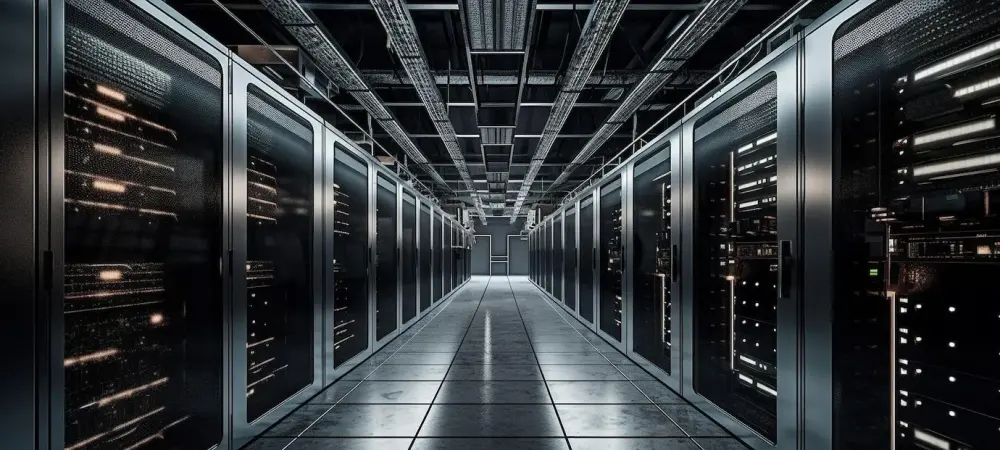
In the digital age, data centers have emerged as the backbone of modern infrastructure, ensuring seamless online operations ranging from social media to critical business applications. As technology evolves, these centers face escalating energy demands that outpace conventional supply sources. This surge calls for innovative, sustainable power solutions capable of meeting these needs securely and efficiently. Nuclear energy is increasingly being recognized as a viable alternative, boasting the potential to deliver reliable and clean power. This article delves into current trends, expert insights, and a future outlook on nuclear energy’s role in revolutionizing data center operations.
Current Trends and Adoption
Growth of Nuclear Energy in Data Centers
The energy consumption of data centers has been on a steep rise, fueled by computing advancements and an ever-increasing demand for digital services. Recent statistics indicate that data centers contribute significantly to global electricity consumption, raising concerns about sustainability. As efforts intensify to curb carbon footprints, nuclear energy has gained traction as an alternative to traditional power sources. Industry projections suggest that nuclear power could address a considerable portion of a data center’s energy requirements in the coming years. This promising outlook is propelling a transition toward nuclear options, where clean, uninterrupted electricity can empower digital transformation.
Real-World Implementations
Several companies are already integrating nuclear technology into their data center operations, spearheading this transformative energy shift. Oklo and Vertiv exemplify this trend, forming strategic partnerships to leverage small modular reactor (SMR) technology. Notably, the Oklo Aurora Powerhouse project stands as a pioneering endeavor, utilizing nuclear-generated steam and electricity to sustain data centers’ power and cooling needs. Such initiatives underscore nuclear energy’s role in promoting environmental responsibility while ensuring high reliability. This movement represents practical applications, offering a blueprint for others to follow in the quest for greener, more efficient energy solutions.
Expert Insights
Industry leaders and experts recognize nuclear energy’s pivotal role in reshaping data center power strategies. Their collective insights underscore the reliability of nuclear technology, emphasizing its capacity to ensure continuous, demand-driven energy supply. Moreover, professionals highlight its environmental advantages, from reduced greenhouse gas emissions to a minimal ecological footprint. However, these experts also shed light on challenges, such as regulatory obstacles and public perception hurdles, that require strategic navigation. Balancing reliability and sustainability, nuclear energy promises considerable benefits, enhancing the data center landscape while acknowledging areas of improvement.
Future Outlook and Implications
As nuclear technology continues to evolve, its implications for data centers are profound and far-reaching. Advances in nuclear reactor designs promise to bolster sustainability, further integrating clean power into data center infrastructures. Anticipated developments include increased regulatory facilitation, enabling broader adoption across sectors. While challenges like public skepticism persist, the potential for substantial benefits, including enhanced energy resilience and reduced environmental impact, is undeniable. Furthermore, nuclear energy’s impact extends beyond data centers, influencing related industries and global energy markets. As innovation advances, opportunities for greater integration and collaboration emerge, reshaping the power landscape.
Conclusion
The application of nuclear energy within data centers has marked a significant shift in power strategies, offering a sustainable solution to meet rising energy demands. As discussed, a growing emphasis on nuclear options presents both opportunities and challenges for the tech industry. The trend of integrating nuclear technology into data centers symbolizes a critical step toward more sustainable operations by ensuring a reliable, clean energy supply. As advancements continue, the adoption of nuclear energy could catalyze broader changes across energy landscapes, paving the way for the future of digital infrastructure powered by enduring and eco-friendly solutions.