

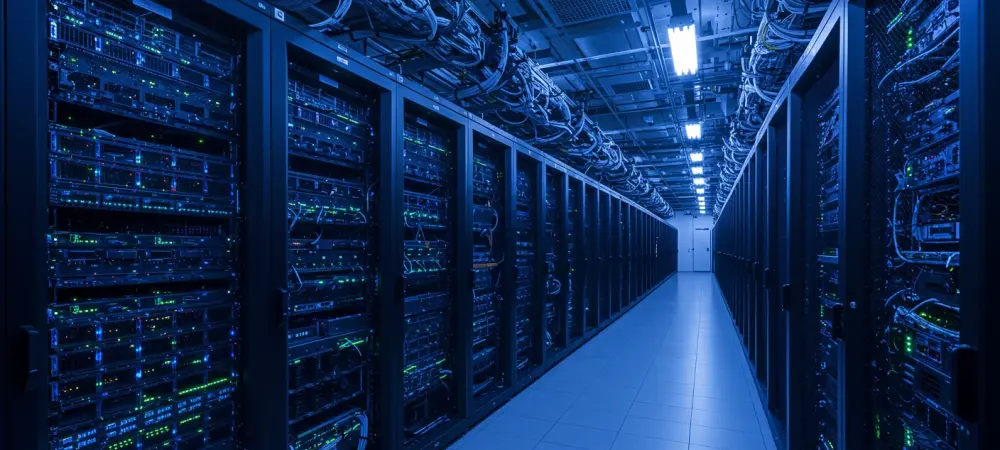
In the dynamic realm of data centers, the pressing demand for efficient, sustainable cooling solutions has become paramount. As the digital world continues to expand, fueled by surging high-performance computing needs and AI technologies, data centers encounter unprecedented operational challenges. Facing environmental and energy efficiency pressures, innovators have turned toward nuclear power as a potential game-changer in data center cooling. This analysis delves into the market trends, exploring the nuclear-powered cooling paradigm—its opportunities, challenges, and future trajectories.
Pioneering a New Era in Cooling Technology
Nuclear power’s application in industrial sectors is well-established, but its recent introduction into data center operations signifies a transformative shift. Historically, nuclear energy was primarily associated with substantial electricity generation. However, the emergence of small modular reactors (SMRs) has changed the landscape, paving the way for direct application in data center cooling. These technological advances and historical shifts highlight how nuclear energy could revolutionize data center infrastructures.
Advantages of Nuclear Energy for Cooling Data Centers
The inherent potential of nuclear energy in revolutionizing data center cooling processes stems from its high efficiency and low environmental footprint. Companies like Oklo are leveraging SMRs to generate steam and electricity, enhancing cooling efficiencies significantly. These systems promise to meet the demands of high-density computing environments, reduce energy costs, and potentially lower carbon emissions. The collaborations among technology developers, such as the partnership between Oklo and Vertiv, illustrate a trend of integrating sustainable energy practices within data center operations, aiming to provide scalable, green solutions.
Comparing Nuclear and Conventional Cooling Mechanisms
Traditional data center cooling mechanisms, such as air conditioning and liquid cooling, are being re-evaluated in light of nuclear-powered alternatives. The latter offers impressive sustainability credentials, offering prolonged energy availability without intermittency issues. Moreover, the cost-efficiency and reduced operational risks associated with nuclear power present advantages over existing systems. Industry leaders adopting nuclear solutions emphasize a strategic move toward more sustainable, long-term energy plans.
Global Impact and Regulatory Considerations
The deployment of nuclear energy in data center cooling presents unique regulatory and geopolitical challenges across various regions. Different countries must navigate diverse regulatory environments impacting market penetration. As a result, expert perspectives and innovative strategies are crucial for managing these complexities and fostering nuclear integration in diverse markets. The disruptive potential of such innovations signifies strategic advancements promoting global sustainability goals.
Future Outlook and Strategic Pathways
Emerging technologies and regulatory advancements present promising futures for nuclear cooling applications. Anticipated trends suggest expanded adoption of nuclear-powered solutions as industries realize their full potential. Transformation in cooling strategies will become increasingly clear as data center operators explore innovative solutions in response to growing operational intricacies. Future developments promise to enhance efficiency, reliability, and sustainability comprehensively.
Practical Insights and Strategic Opportunities
For data center operators and industry stakeholders, understanding the intricacies of nuclear energy integration is vital. Efficient system integration, adept regulatory navigation, and adherence to best practices form the basis of successful nuclear solution adoption. Equipped with insights into streamlined processes and cutting-edge developments, operators can employ these strategies effectively to achieve cost-effective and environmentally friendly results.
Concluding Reflections on a Nuclear-Centric Future
The exploration into nuclear-powered cooling highlighted its immense potential alongside notable challenges. This innovative approach left industry leaders with actionable insights to formulate future cooling strategies favoring sustainability. Navigating regulatory intricacies, technological advances, and market dynamics will be crucial in realizing nuclear energy’s transformative role in data center environments. Concluding this analysis, embracing nuclear-powered solutions emerged as a meaningful step toward an efficient and sustainable future.