

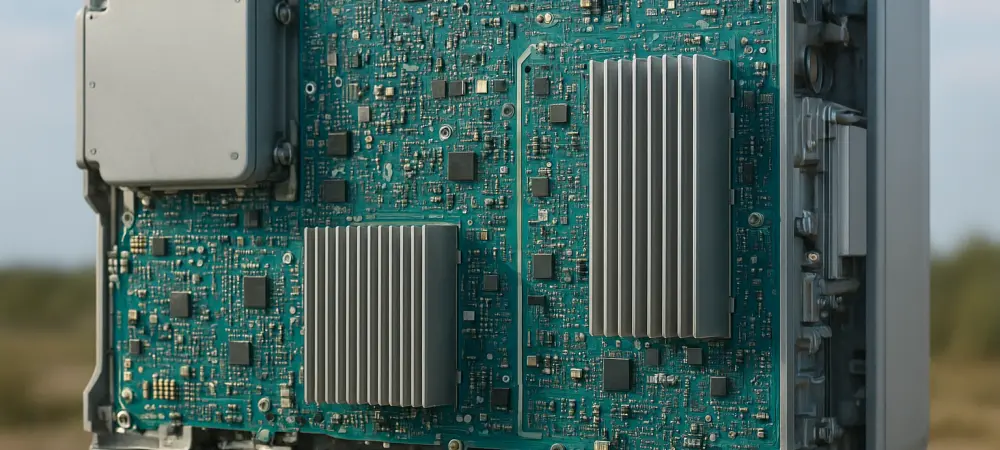
The transition from cellular theory to tangible hardware is accelerating as engineers across the globe finally step out of research labs and into the unpredictable reality of urban field testing. The race for the next generation of connectivity is officially moving from white papers to the wireless field. As 5G reaches maturity, the telecommunications industry is pivoting toward 6G, with midband spectrum emerging as the critical battleground for future network supremacy. This analysis examines the shift toward practical field testing, the strategic importance of midband frequencies, and the regulatory hurdles that will define the next decade of mobile innovation.
Evaluating the Momentum of Midband 6G Spectrum Trials
Global Momentum and Regulatory Timelines for 6G Development
Current growth trends show a decisive shift toward field-based validation, with major carriers filing for experimental licenses in the 2.7GHz and 4GHz ranges. Regulatory bodies, including the FCC and NTIA, are accelerating infrastructure timelines by allowing spectrum studies and auction planning to proceed in parallel for the first time. Data indicates a target window for spectrum auctions as early as 2027 and 2028, signaling an aggressive push to formalize 6G standards ahead of the next decade.
Real-World Prototyping and Technical Applications
Industry leaders are establishing dedicated test sites, such as the laboratory network in Bellevue, Washington, to evaluate prototype base stations and mobile devices. Technical focus is centering on “spectrum adjacency,” where carriers test bands located next to their existing 5G holdings to simplify future hardware deployment and device compatibility. Competitive benchmarks are being set by giants as they race to gather empirical data on the 4.8GHz band to influence global 6G specifications.
Professional Perspectives on Technical and Regulatory Hurdles
Industry experts emphasize that midband is the “goldilocks” frequency for 6G, providing the essential balance between wide-area coverage and the high-capacity throughput required for advanced AI-driven services. However, thought leaders highlight the immense challenge of “spectrum coexistence,” noting that testing must account for existing federal users, including the FAA and NOAA. Professionals argue that success hinges on the development of sophisticated automated sharing protocols that allow commercial networks to operate alongside critical government systems without interference.
Projecting the Future of the 6G Connectivity Landscape
The future of 6G will likely be defined by a transition from exclusive spectrum ownership to more dynamic, shared-access models across the midband. Early testing results are expected to dictate the global manufacturing landscape, influencing the design of the next generation of smartphones, IoT sensors, and autonomous infrastructure. Potential benefits include a seamless integration of high-bandwidth applications like holographic communication, while challenges remain regarding the clearing of occupied bands and international standardization.
Synthesis and Final Outlook on 6G Commercialization
The early midband trials successfully transformed 6G from a theoretical concept into a tangible commercial roadmap. This shift confirmed that midband spectrum functioned as the indispensable foundation for a scalable network rollout. Stakeholders recognized that navigating spectrum scarcity required deeper public-private collaboration and immediate investment in interference-mitigation software. These initial tests established a resilient blueprint for deployment, ensuring that infrastructure planning remained ahead of consumer demand. Ultimately, the pivot toward practical field validation secured a vital strategic advantage in the global technological race.