

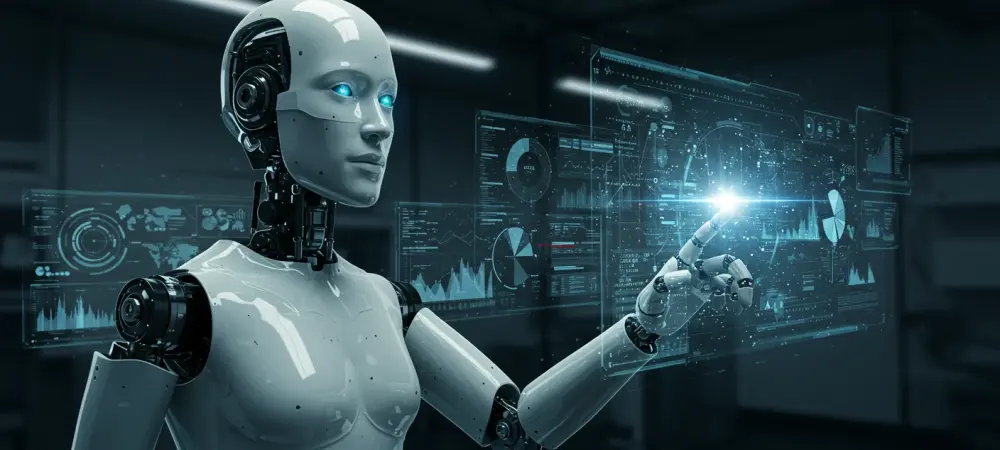
Will artificial intelligence soon comprehend human behavior more deeply than humans themselves, reshaping the very fabric of interaction across industries and personal lives? This provocative question underscores the meteoric rise of intelligent systems, a transformative branch of AI that goes beyond traditional algorithms to mimic human-like reasoning and adaptability. These systems are not mere tools but are becoming integral to how technology engages with vast populations, promising to redefine global communication and problem-solving.
Understanding Intelligent Systems: A New Frontier in AI
Defining the Concept and Growth Trends
Intelligent systems represent a sophisticated class of AI designed to emulate human cognitive abilities such as reasoning, learning, perception, and problem-solving. According to definitions from credible tech resources like GeeksforGeeks, these systems leverage advanced algorithms to perform complex tasks autonomously, distinguishing them from narrower AI applications. Their capacity to interact and adapt sets them apart in the technological landscape, marking a significant evolution in machine intelligence.
The adoption of intelligent systems is witnessing exponential growth across various sectors, with industries like robotics, data analytics, and edge AI experiencing notable advancements. Reports indicate a surge in investment, with billions allocated annually to research and development focused on systems for large-scale human interaction. From this year onward, projections suggest a compounded growth rate in deployment, particularly in automation and personalized service platforms, highlighting their increasing relevance.
This upward trajectory is further evidenced by the expanding scope of research initiatives aimed at enhancing system capabilities. Financial commitments to intelligent systems have grown substantially in recent periods, with a focus on creating solutions that can learn from and respond to diverse human inputs. Such trends point to a future where these technologies become ubiquitous, driving innovation at an unprecedented pace.
Real-World Applications Across Diverse Domains
In practical settings, intelligent systems are already making a profound impact, particularly in industrial automation through robotics. These systems streamline manufacturing processes by adapting to real-time conditions, reducing errors, and enhancing efficiency in ways traditional machinery cannot. Their ability to learn from operational data ensures continuous improvement, transforming factory floors into hubs of smart innovation.
Beyond industrial applications, intelligent systems are revolutionizing personal experiences through data-driven platforms, such as tailored educational tools that adjust to individual learning paces. Therapeutic applications also stand out, with systems being developed to support mental health conditions like PTSD by offering customized interactions. These examples underscore the versatility of intelligent systems in addressing varied human needs across different contexts.
Prominent companies and projects are at the forefront of this innovation, pushing boundaries with groundbreaking implementations. Organizations leading in AI research are deploying intelligent systems in research platforms that analyze vast datasets to uncover insights previously unattainable. Such initiatives illustrate the tangible benefits and real-world potential of these technologies, setting the stage for broader adoption.
Insights from the Field: Intelligent Systems in Gaming and Beyond
Expert perspectives shed light on the unique interactivity of intelligent systems, particularly in dynamic environments like gaming. Mike Ambinder, a veteran of the gaming industry and R&D partner at NEURAO, emphasizes how these systems create a cyclical engagement unlike passive digital experiences such as streaming media. Games, according to Ambinder, thrive on continuous interaction where user behavior triggers system responses, fostering an evolving relationship between player and technology.
Ambinder introduces the concept of “goal-directed” systems, which possess an inherent purpose beyond mere reaction, analyzing user actions to adapt accordingly. This adaptability allows games to personalize experiences by collecting data on player preferences and tendencies, raising significant implications for customization. However, it also prompts concerns about the depth of data amassed, hinting at potential privacy challenges that accompany such intimate technological engagement.
Extending beyond entertainment, Ambinder’s insights suggest transformative applications in fields like training, therapy, and skill development. Intelligent systems could tailor learning environments or therapeutic sessions based on real-time user feedback, offering solutions that evolve with individual needs. This broader potential highlights how the principles of gaming interactivity can inform and enhance other sectors, positioning intelligent systems as versatile tools for human advancement.
The Future of Intelligent Systems: Opportunities and Challenges
Looking ahead, intelligent systems are poised to deepen personalization in user experiences, crafting interactions that resonate on an individual level across sectors like healthcare and education. Envisioned developments include adaptive learning platforms that cater to unique student profiles and innovative medical tools that respond to patient-specific data. Such advancements promise to elevate the quality of services in ways previously unimaginable.
Yet, alongside these opportunities lie substantial challenges, particularly concerning privacy and ethical considerations. The extensive data collection inherent to intelligent systems raises the specter of surveillance, where personal information could be exploited if not safeguarded. Establishing robust rules and guidelines before widespread implementation becomes imperative to mitigate risks and ensure that benefits are not overshadowed by potential misuse.
The dual nature of this technology presents both positive and negative outcomes, from enhanced human-AI collaboration to the risk of exploitation by system owners, be they corporations or governments. Balancing innovation with accountability will be crucial as these systems integrate further into daily life. Addressing these dilemmas now can pave the way for a future where intelligent systems serve as trusted partners rather than sources of concern.
Balancing Innovation with Responsibility
Reflecting on the journey of intelligent systems, their distinct capacity for large-scale interaction and adaptive learning stands out as a defining leap in AI evolution. These systems demonstrate a remarkable ability to reshape technology’s role in understanding and influencing human behavior. The exploration of their applications, from gaming to therapy, reveals a spectrum of transformative possibilities balanced against significant ethical risks.
As a forward-looking step, stakeholders are urged to prioritize the development of ethical frameworks and stringent oversight mechanisms to guide this technology’s advancement. Collaborative efforts among technologists, policymakers, and society at large become essential to ensure that innovation does not compromise individual rights. By fostering transparent practices and robust safeguards, the potential of intelligent systems can be harnessed responsibly, setting a precedent for future technological integrations.