

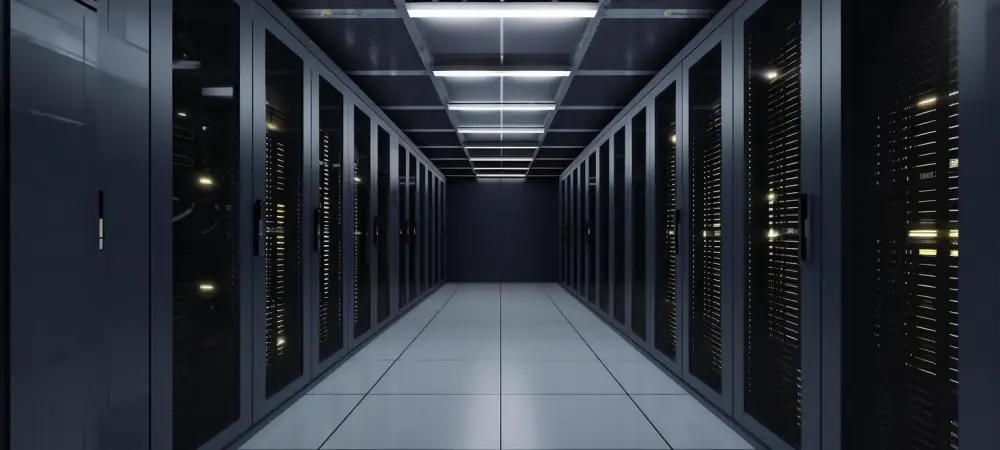
In a world increasingly driven by data and digital technology, the demand for efficient and sustainable energy solutions has never been more critical. The use of hydroelectric power in data centers represents a rapidly accelerating trend that addresses this need by providing a stable and renewable energy source. This advancement is significant for industries seeking to reduce their carbon footprint while maintaining reliable operations. The article explores the current trends in hydroelectric power use for data centers, examines real-world applications and expert perspectives, and considers the future implications of this growing trend.
Current Trends and Adoption in Hydroelectric Power for Data Centers
Data and Growth Trends
The integration of hydroelectric power in data centers is characterized by significant growth trends and adoption rates. Major corporations are increasingly committing vast resources to renewable energy initiatives, as exemplified by Google’s landmark agreement with Brookfield Asset Management. The deal will deliver over three billion dollars of hydroelectric power sourced from two plants near Philadelphia. By tapping into the drafting capacity of 670 megawatts over 20 years, Google demonstrates how these arrangements contribute to steadily rising figures in renewable energy adoption. This effort aligns with broader industry efforts to meet the enhanced energy demands driven by technological advancements and institutional goals for sustainability.
Real-World Applications and Case Studies
Real-world applications of hydroelectric power in data centers are gaining momentum as tech giants continue to set benchmarks. This includes collaborations with entities like Brookfield Asset Management, which is not only leveraging Google’s initiative but also replicating efforts with Microsoft using both wind and solar resources. These partnerships highlight a strategic direction for future energy solutions. Companies actively explore these renewable alternatives to meet their power demands sustainably. This move transcends conventional energy diversification, paving the way for cleaner technologies that facilitate a more resilient infrastructure and combat environmental challenges.
Expert Insights and Industry Perspectives
Industry experts and thought leaders emphasize the strategic importance of adopting reliable and sustainable energy sources in the rapidly evolving digital landscape. They underscore how hydroelectric power provides not only a stable supply but also a solution to intermittent supply issues associated with other renewable energies, such as wind and solar. Challenges remain due to current policy constraints in the US that affect renewable energy incentives, but leaders believe the collaboration between public and private sectors is crucial to overcoming these barriers. Expert opinions further suggest that the positive impact of such trends could propel technological advancements, drive economic growth, and enhance environmental well-being.
The Future of Hydroelectric Power in Data Centers
The future of hydroelectric power in data centers is poised for significant evolution and development. Analysts anticipate continued growth amid increasing investments in AI and energy innovations. The potential expansion of hydroelectric capacity to 3,000 megawatts, as foreseen in current agreements, suggests a promising trajectory for the sector. However, broader implications are tied to addressing policy gaps and overcoming regulatory challenges. The trend aligns with broader sustainability goals and offers a pathway for industries seeking to adapt to future disruptions by investing in resilient energy infrastructures.
Conclusion and Call to Action
Hydroelectric power’s role in powering data centers has seen remarkable advancements, as illustrated by substantial corporate commitments to renewable energy. This trend signifies a broader industry shift towards sustainable energy solutions that support both environmental goals and the growing demand for digital services. In encouraging progress, industry stakeholders should advocate for supportive policies, engage in strategic partnerships, and prioritize innovation in clean energy technologies. These efforts are essential in driving forward the shared vision of a sustainable digital future while harnessing the full potential of hydroelectricity to meet evolving energy needs.