

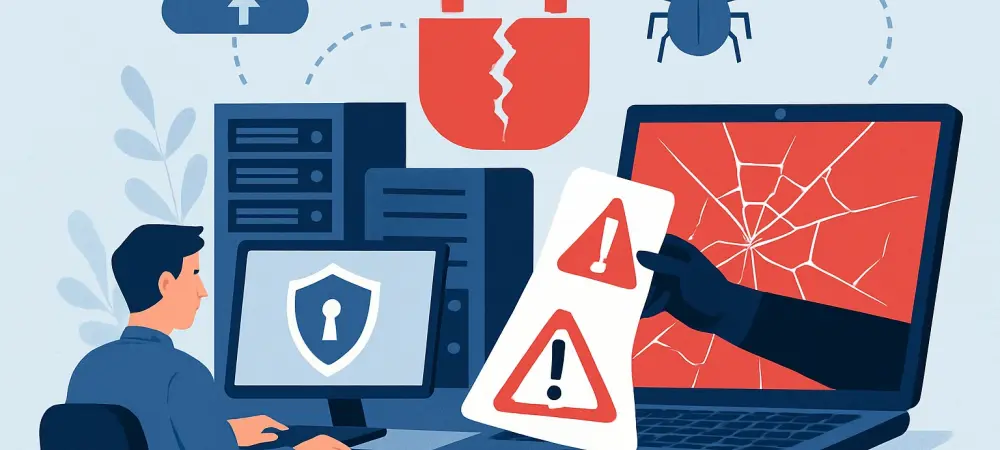
The Growing Urgency of Cybersecurity in Outsourced IT Services
In August 2023, a catastrophic cyberattack on The Clorox Company sent shockwaves through the corporate world, exposing critical vulnerabilities in IT outsourcing arrangements and resulting in a staggering $380 million lawsuit against Cognizant, their IT service provider. This high-profile incident serves as a stark reminder of the escalating risks tied to third-party IT partnerships, where a single breach can disrupt operations for months and inflict severe financial damage. As businesses increasingly delegate critical functions to external vendors to cut costs and boost efficiency, the importance of robust cybersecurity measures in these relationships has never been more evident. This analysis delves into the evolving trend of cybersecurity within IT outsourcing, exploring current challenges, real-world impacts, industry perspectives, and future directions to understand how companies can better safeguard their operations.
The Rising Importance of Cybersecurity in IT Outsourcing
Expansion and Risks of Outsourced IT Ecosystems
The IT outsourcing market has seen remarkable growth, with projections from Gartner indicating a global market value surpassing $500 billion annually as companies across industries embrace third-party solutions for everything from cloud services to help desk support. This expansion, driven by the need for specialized expertise and cost savings, has positioned outsourcing as a cornerstone of modern business strategy. However, the reliance on external providers also amplifies exposure to cyber threats, as these vendors often handle sensitive data and critical systems that become prime targets for malicious actors. A recent report from Statista highlights a troubling rise in cyberattacks aimed at outsourced IT services, with a 30% increase in incidents over the past two years, often exploiting vulnerabilities like weak authentication or inadequate training. Social-engineering tactics, such as phishing or voice-based deception, frequently bypass technical defenses by targeting human error, making them particularly dangerous. These statistics underscore a pressing reality: while outsourcing offers efficiency, it also creates a complex web of potential entry points for attackers that must be addressed.
The implications of these risks extend beyond mere numbers, as breaches in outsourced systems can cripple entire supply chains or erode customer trust overnight. Companies now face the dual challenge of leveraging the benefits of outsourcing while ensuring that vendors adhere to stringent security standards. This dynamic has elevated cybersecurity from a peripheral concern to a central pillar of any outsourcing agreement, demanding greater vigilance and investment.
Case in Point: The Clorox-Cognizant Fallout
The 2023 cyberattack on Clorox, linked to the hacking group Scattered Spider, offers a sobering example of how cybersecurity lapses in IT outsourcing can lead to devastating consequences. According to legal filings, the breach originated from Cognizant’s management of Clorox’s IT help desk, where hackers allegedly exploited lax verification processes to obtain sensitive credentials. This incident disrupted Clorox’s ability to produce and ship essential household products for months, illustrating the cascading effects of a single security failure.
Financially, the impact was staggering, with Clorox estimating losses at $380 million due to halted operations and recovery costs, prompting a lawsuit against Cognizant for alleged negligence. The case details how the hackers used social-engineering techniques to manipulate help desk staff, a tactic that bypassed even multifactor authentication safeguards. Such methods reveal a persistent vulnerability in human interactions that technology alone cannot fully mitigate.
Beyond the immediate damage, this event has sparked broader questions about the accountability of third-party providers in safeguarding client data. Clorox’s legal action contends that Cognizant failed to uphold basic security protocols, a claim that resonates with many organizations reevaluating their vendor relationships. This incident stands as a cautionary tale, highlighting the urgent need for airtight security measures in every facet of outsourced IT operations.
Industry Perspectives on Accountability and Risk Management
Shared Responsibility in the Spotlight
Cybersecurity experts and legal professionals increasingly emphasize a shared responsibility model in IT outsourcing, where both client and vendor must actively collaborate to mitigate risks. This perspective holds that while vendors manage specific systems, clients bear the burden of defining clear security expectations and enforcing compliance. Discussions around the Clorox-Cognizant dispute often point to the necessity of detailed contractual obligations that outline precise cybersecurity responsibilities to avoid ambiguity during crises.
Many industry voices argue that third-party providers like Cognizant must implement rigorous training and protocols, especially for roles vulnerable to social-engineering attacks, such as help desk staff. Legal experts note that lawsuits like Clorox’s could set precedents for how accountability is determined, potentially shifting more liability toward vendors if negligence is proven. This evolving dialogue reflects a growing consensus that cybersecurity is a joint endeavor requiring transparency and proactive measures from all parties involved.
Addressing the Human Factor and Systemic Challenges
A recurring theme in expert opinions is the human factor as a critical weak link in cybersecurity, a concern amplified in the context of the Clorox breach where human error allegedly facilitated the attack. Specialists stress that social-engineering threats exploit trust and lack of awareness, often rendering technical safeguards ineffective. This challenge necessitates ongoing education and simulated attack exercises to prepare staff for real-world scenarios, a practice still underutilized by many outsourcing firms.
Beyond training, there is a push for systemic improvements, such as adopting advanced behavioral analytics to detect unusual activity at help desks or other access points. However, experts caution that such solutions require significant investment and coordination between clients and vendors, a hurdle for smaller organizations. These insights reveal a multifaceted problem where technology, policy, and human readiness must align to fortify defenses in outsourced environments.
Future Outlook: Strengthening Cybersecurity in IT Outsourcing
Emerging Technologies and Standards
Looking ahead, cybersecurity in IT outsourcing is poised to evolve with advancements in authentication technologies, such as biometric verification and AI-driven anomaly detection, which could significantly reduce the risk of unauthorized access. Industry trends suggest a move toward stricter vendor compliance standards, with frameworks like ISO 27001 becoming non-negotiable in contracts. These developments aim to create a more secure ecosystem where breaches are less likely to occur or spread across networks.
The potential benefits of these innovations include enhanced trust between clients and vendors, as well as greater resilience against sophisticated attacks. However, challenges loom large, particularly the rising costs of implementing cutting-edge security measures and the complexity of enforcing accountability across diverse global supply chains. Balancing these factors will be crucial for organizations aiming to stay ahead of cyber threats without compromising operational efficiency.
Broader Implications and Regulatory Shifts
High-profile incidents like the Clorox breach are likely to influence regulatory landscapes, with governments and industry bodies potentially introducing stricter guidelines for vendor-client cybersecurity collaborations. Such changes could mandate regular audits or impose penalties for non-compliance, reshaping how outsourcing agreements are structured. Across industries, from manufacturing to finance, the ripple effects of these cases may drive the adoption of best practices that prioritize security over cost savings.
Moreover, the growing scrutiny of third-party risks could foster a cultural shift, encouraging businesses to view cybersecurity as a strategic asset rather than a mere compliance checkbox. While this transition presents logistical hurdles, it also offers an opportunity to build more robust partnerships grounded in mutual accountability. The trajectory of these trends will likely depend on how effectively stakeholders adapt to an increasingly hostile digital environment.
Key Takeaways and Call to Action
Reflecting on the past, the Clorox incident of 2023 underscored the profound risks embedded in IT outsourcing, where a single lapse triggered operational chaos and a $380 million loss. The growing dependence on third-party providers has amplified vulnerabilities, particularly through social-engineering exploits that target human weaknesses over technical flaws. Industry discourse has revealed a clear need for shared responsibility, with both clients and vendors playing vital roles in securing systems. Moving forward, businesses must prioritize the development of comprehensive security frameworks that encompass advanced technologies, rigorous vendor vetting, and continuous staff training to close existing gaps. Collaboration stands as the cornerstone of this effort, requiring transparent communication and well-defined contracts to ensure all parties are aligned on cybersecurity goals. The lessons from past breaches compel a proactive stance—investing in robust defenses and fostering stronger vendor relationships will be essential to prevent future catastrophes and protect critical operations in an interconnected world.