

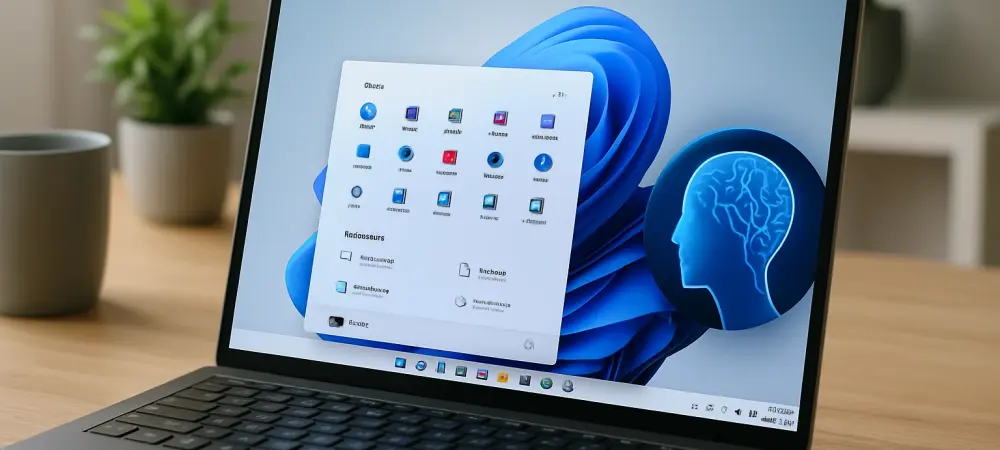
The pace of innovation in AI technologies is accelerating rapidly, creating both opportunities and challenges within the landscape of modern computing. With operating systems at the forefront of this technological revolution, AI advancements like Copilot Vision in Windows 11 mark significant steps forward. This particular update invites us to explore the potential of integrating artificial intelligence deeply into our everyday tech experiences.
Understanding the Rise of Copilot Vision
Growth and Adoption Trends
AI features in operating systems have seen increased adoption as more users experience their convenience and efficiency. In recent times, data gathered from various reports highlight a marked rise in the adoption rates of AI functionalities in platforms like Windows 11. Among these features, Copilot Vision has captured significant attention, particularly within the Windows Insider program. The program has revealed substantial user engagement, indicating a trend toward widespread acceptance and integration of AI in desktop experiences.
Real-world Applications of Copilot Vision
Copilot Vision has introduced new dimensions of digital interaction by offering practical support across diverse tasks. In artistic ventures, for example, its ability to analyze creative content and offer insights facilitates innovative pursuits. Additionally, companies across sectors report increased productivity, as the tool advises on task optimization and workflow enhancements. This functionality not only supports professional creativity but also streamlines operations, showcasing its versatility across different real-world applications.
Expert Opinions on Copilot Vision Expansion
Insights from industry experts highlight the delicate balance between increased functionality and necessary considerations such as privacy and data security. Researchers emphasize the strategic value of Copilot Vision, reflecting on its potential to redefine interaction paradigms within Windows 11 and beyond. However, privacy remains a key concern, with discussions drawing attention to user autonomy and control measures as critical components of responsible AI expansion. These expert opinions delineate a complex interplay between innovation, utility, and ethical considerations.
The Future of Copilot Vision in AI-Driven Systems
Looking ahead, the expansion of Copilot Vision is set to explore uncharted territories in AI-driven systems, offering possibilities for enhanced features and seamless integration. The potential for new advancements promises benefits such as improved user productivity and more personalized computing experiences. However, alongside the technical opportunities, challenges like data privacy and maintaining user trust are poised to remain central issues. The ongoing integration of AI into daily technology use holds transformative implications, and stakeholders must navigate these developments thoughtfully.
Conclusion and Forward-looking Insights
As Copilot Vision continues to evolve, its expanded presence in AI technologies highlights significant trends shaping the computing landscape. This development urges stakeholders to engage proactively with these innovations, balancing technological potential with ethical and privacy considerations. Reflecting on the path forward, there remains an imperative to adapt to the changing landscape responsibly. The future stirs both promise and caution, calling for strategic engagement to fully realize these advancements’ potential while safeguarding user interests.