

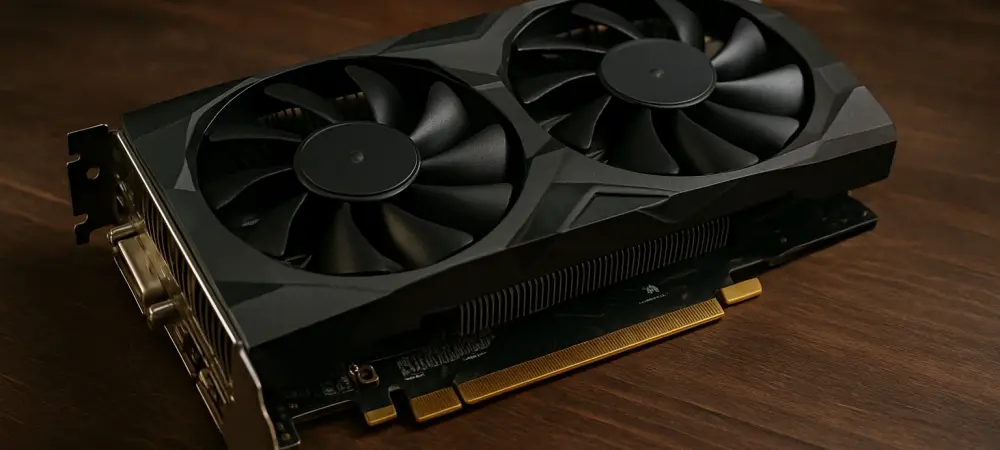
Navigating the Struggle for Affordable Graphics Power
In an era where gaming and PC building have become integral to digital culture, countless budget-conscious enthusiasts face a daunting challenge: finding a graphics card that delivers decent performance without breaking the bank. The rising cost of hardware has made this pursuit increasingly difficult, pushing many casual gamers and small-scale builders to compromise on quality or abandon upgrades altogether. This growing frustration underscores a critical trend in the tech industry—the shrinking availability of budget GPUs and the urgent need for accessible solutions. This analysis delves into the dynamics of the budget GPU market, spotlighting recent developments like AMD’s Radeon RX 7400 release and speculative advancements from Intel, while exploring broader shifts that could redefine affordability in graphics hardware.
Current Landscape of Budget GPUs
Rising Demand Amid Limited Choices
The demand for cost-effective GPUs has surged as more individuals seek affordable options for 1080p gaming and basic computing tasks. Casual gamers and budget PC builders, who prioritize value over cutting-edge performance, form a significant portion of this market. However, the supply of viable options has dwindled, with older models like AMD’s RX 6600 becoming scarce and their prices climbing due to limited stock. Reports from tech analysis platforms highlight a troubling gap in the budget segment, where manufacturers seem to focus more on mid-range and premium offerings, leaving entry-level buyers underserved.
This scarcity has created a bottleneck for those unable to invest in higher-tier cards. The lack of new, affordable releases has forced many to rely on outdated hardware or overpriced second-hand options. The trend of diminishing choices not only hampers accessibility but also risks alienating a substantial user base that forms the foundation of the gaming community, raising questions about the industry’s commitment to inclusivity.
Analyzing Recent Releases and Their Constraints
AMD’s Radeon RX 7400, a recent addition to the low-end GPU lineup, offers a glimpse into current offerings with its modest specs: 28 Compute Units, 8GB of GDDR6 memory, and a mere 43W power draw. Tailored for small-form-factor builds, it seems ideal for compact systems often found in prebuilt PCs. Yet, its impact is severely limited by an OEM-only distribution model, restricting availability to partnerships with manufacturers like Dell and excluding individual retail buyers. The absence of standalone purchase options for the RX 7400 reflects a persistent barrier in the budget market. Compared to past releases like the RX 6600, which reached a broader audience through retail channels, this exclusivity diminishes the card’s relevance for DIY enthusiasts. Such limitations highlight a disconnect between product design and consumer access, perpetuating the challenge of securing affordable graphics solutions.
Industry Approaches to Budget GPU Challenges
Divergent Strategies Among Key Players
Insights from tech analysts, including discussions on platforms like X, reveal contrasting strategies between major GPU manufacturers in addressing the budget segment. AMD’s cautious approach with the RX 7400, focusing on OEM partnerships, suggests a preference for system builders over direct consumer sales. This tactic may ensure bulk orders but risks alienating individual buyers who seek flexibility in building or upgrading their rigs.
On the other hand, speculation around Intel’s direction paints a more inclusive picture. Rumors of the Arc B380, a potential budget contender from the Battlemage lineup, indicate a focus on wider availability and competitive pricing under $200. Such a move could address a critical void in the market, especially as Intel aims to establish a stronger foothold against established competitors. These differing philosophies underscore a broader debate on how best to serve cost-conscious consumers.
Balancing Innovation with Accessibility
The strategic divergence extends beyond distribution to product positioning. AMD’s decision to base the RX 7400 on the older RDNA 3 architecture, rather than a newer framework, may reflect a conservative effort to minimize costs while still offering functional hardware. However, this risks delivering underwhelming performance for modern needs. Intel’s speculated push for upgraded specs in the B380 hints at a willingness to innovate within tight price constraints, potentially setting a new standard for value.
This contrast in approach raises critical questions about the industry’s priorities. While partnerships with OEMs can stabilize revenue for manufacturers, they often sideline the needs of individual buyers. The balance between profitability and broad market access remains a pivotal issue, shaping how effectively the budget segment can evolve to meet growing demand.
Looking Ahead at Budget GPU Potential
Emerging Possibilities with Intel’s Speculated Offerings
Intel’s rumored Arc B380 could signal a turning point for budget GPUs, with anticipated specs like 16 Xe cores and 8GB of VRAM marking a significant leap over its predecessor, the A380, which featured only 8 Xe cores and 6GB of VRAM. If priced below $200 as speculated, this card could redefine expectations for entry-level performance. Such advancements would cater directly to gamers and builders seeking affordable yet capable hardware for Full HD experiences.
The potential for Intel to prioritize retail availability further amplifies optimism. Unlike the restricted rollout of the RX 7400, a widely accessible B380 could fill the gap left by fading options like the RX 6600. This prospect highlights a possible shift toward empowering consumers with direct access to budget-friendly technology, a move that could pressure competitors to rethink their own distribution models.
Challenges and Opportunities on the Horizon
Despite promising developments, hurdles remain in the budget GPU space. Uncertainties around the RX 7400’s pricing, should it ever reach retail, pose a risk of it failing to compete with existing alternatives. Supply chain constraints and the industry’s tendency to spotlight mid-range and high-end products could further marginalize low-cost options. These challenges threaten to sustain the scarcity that currently defines this market segment.
On the brighter side, increased competition, especially if Intel delivers on speculated plans, might encourage AMD to expand access to future budget cards. The drive for more accessible gaming hardware could spur innovation tailored to cost-conscious users. However, the risk of underwhelming performance or continued exclusivity looms large, necessitating vigilance from both manufacturers and consumers to ensure that affordability does not come at the expense of quality.
Reflecting on Past Insights and Future Actions
Looking back, the budget GPU market revealed a landscape marked by persistent demand yet frustrating scarcity, as evidenced by the limited reach of AMD’s Radeon RX 7400 due to its OEM-only status. Intel’s speculated Arc B380 offered a beacon of hope, hinting at a future where affordability and performance could coexist. The struggle for accessible graphics hardware underscored an industry at a crossroads, balancing innovation with the needs of a diverse user base. Moving forward, stakeholders must prioritize strategies that enhance retail availability and ensure competitive pricing for budget GPUs. Manufacturers should consider hybrid distribution models that cater to both OEMs and individual buyers, while consumers can advocate for transparency in pricing and release plans. Keeping an eye on upcoming announcements and supporting initiatives that champion affordability will be crucial in shaping a more inclusive market for gaming and computing hardware.