

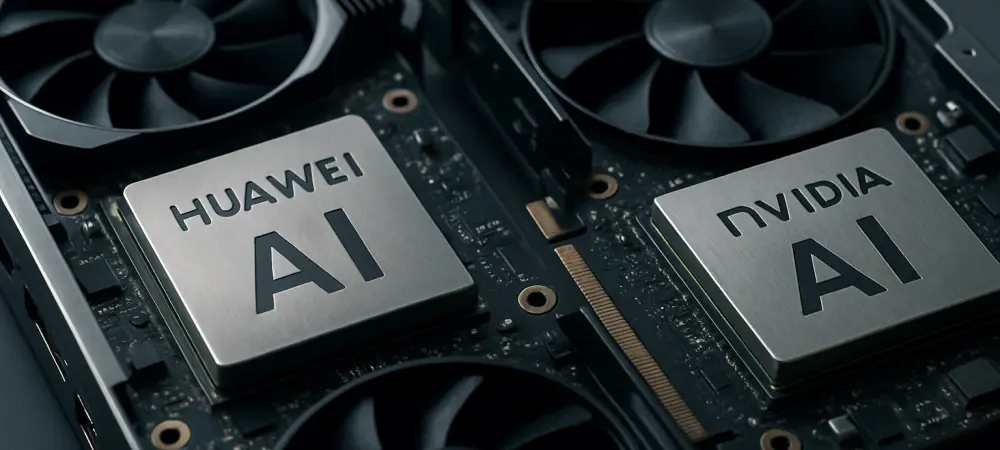
What happens when a tech giant, long in the shadow of a dominant rival, throws down the gauntlet in one of the most critical arenas of modern innovation? Huawei has done just that by open-sourcing its Compute Architecture for Neural Networks (CANN) toolkit, aiming to chip away at NVIDIA’s near-total control of AI computing through its CUDA platform. This audacious move has sent ripples through the industry, igniting debates about whether a newcomer can truly disrupt an entrenched titan. The stakes couldn’t be higher in a world where AI powers everything from healthcare breakthroughs to autonomous systems.
Why AI Computing Is the Ultimate Battleground
The significance of this clash extends far beyond corporate rivalry. AI computing forms the foundation of transformative technologies shaping economies and societies, from smart cities to precision medicine. NVIDIA’s CUDA has reigned supreme for developers globally, creating an ecosystem so intertwined with its hardware that switching platforms feels like scaling a mountain. Yet, with geopolitical tensions—particularly between the US and China—intensifying, Huawei’s push for technological independence through CANN isn’t just a business strategy; it’s a matter of national priority for China, influencing global access to cutting-edge tools.
The implications are profound for multiple stakeholders. Businesses relying on AI face potential shifts in cost and compatibility, while developers must weigh the risks of adopting a nascent platform against the comfort of a familiar one. Governments, meanwhile, are watching closely, as the outcome could redefine tech sovereignty and influence international policy on innovation. This battle is about more than software—it’s about who controls the future of AI.
Dissecting the Giants: CANN and CUDA Head-to-Head
At the heart of this showdown lie two distinct approaches to AI computing. NVIDIA’s CUDA stands as a fortress, bolstered by seamless integration with its GPUs, an extensive library of resources, and a developer community that has grown over nearly two decades. Industry reports often highlight CUDA’s role in over 80% of AI research projects worldwide, a testament to its pervasive influence and the high barrier it sets for competitors.
Huawei’s CANN, built to optimize its Ascend AI chips, offers a glimmer of promise with early benchmarks indicating competitive performance in niche workloads like image processing. However, the toolkit struggles with a thinner ecosystem—limited documentation and patchy integration with mainstream AI frameworks like TensorFlow hinder its appeal. For instance, while CUDA powers global initiatives like autonomous vehicle research at major universities, CANN’s footprint is largely confined to domestic Chinese institutions, revealing the scale of the adoption challenge.
The open-source nature of CANN is a double-edged sword. It invites collaboration and lowers entry barriers for developers, but without robust support structures, many hesitate to dive in. This contrast underscores a critical gap: CUDA’s maturity versus CANN’s potential, a divide that Huawei must bridge to gain serious traction.
Industry Voices Weigh In on the Rivalry
Feedback from the tech community paints a complex picture of Huawei’s ambitions. A prominent analyst from a leading research firm recently stated, == “Huawei’s hardware is impressive, but software ecosystems take years to mature—CUDA’s head start is a massive hurdle.”== This sentiment echoes across developer forums, where some express curiosity about CANN’s accessibility as an open-source tool, while others cite NVIDIA’s entrenched workflows as a reason to stay put.
Insights from Chinese tech companies partnering with Huawei add another layer. Collaborative projects with academic institutions in China are showcasing CANN’s capabilities in localized AI applications, hinting at a growing domestic base. Yet, skepticism persists globally, with many questioning whether regional success can translate to international adoption. These varied perspectives highlight a blend of cautious optimism and pragmatic doubt surrounding Huawei’s challenge.
One thing is clear: the industry is watching. A software engineer at a major AI conference noted, “If Huawei can make CANN as intuitive as CUDA, it might sway younger developers looking for alternatives.” Such opinions suggest that while the road is steep, there’s room for Huawei to carve a niche if it plays its cards right.
Huawei’s Roadmap to Challenge the Status Quo
For Huawei to stand a chance, strategic moves are non-negotiable. Enhancing developer experience tops the list—comprehensive, user-friendly documentation and tutorials tailored for those familiar with CUDA could ease the transition. Imagine detailed guides and active online communities that mirror the support CUDA developers enjoy; such resources could be a game-changer for hesitant adopters.
Partnerships are equally vital. Collaborating with providers of major AI frameworks to ensure seamless compatibility would address a core pain point. If CANN integrates smoothly with tools developers already use, resistance to switching could diminish. Huawei might also consider offering incentives—think grants or free training—to encourage experimentation among startups and academic researchers.
Leveraging China’s domestic market offers a unique advantage. By providing subsidies or fostering collaborations with local businesses and universities, Huawei can build a strong user base at home before tackling global markets. This phased approach, while demanding patience and heavy investment, could lay the groundwork for a credible alternative to NVIDIA’s stronghold over time.
Reflecting on a Historic Tech Standoff
Looking back, this clash between Huawei and NVIDIA stood as a defining moment in the evolution of AI computing, encapsulating both technological ambition and geopolitical undercurrents. The struggle revealed how deeply intertwined innovation and global politics had become, with each move by Huawei to advance CANN reflecting a broader quest for autonomy in a US-dominated tech sphere. NVIDIA’s CUDA, meanwhile, remained a towering benchmark, its ecosystem a reminder of the power of time and community.
As the dust settled on these early skirmishes, the path forward demanded actionable focus. Stakeholders across the spectrum—developers, businesses, and policymakers—needed to prioritize open dialogue on platform interoperability to prevent fragmented ecosystems. Huawei had to double down on building trust and usability for CANN, while the industry as a whole faced the task of balancing competition with collaboration. The ultimate question lingered: could a unified push for accessible AI tools emerge from this rivalry, benefiting all of humanity in the long run?