

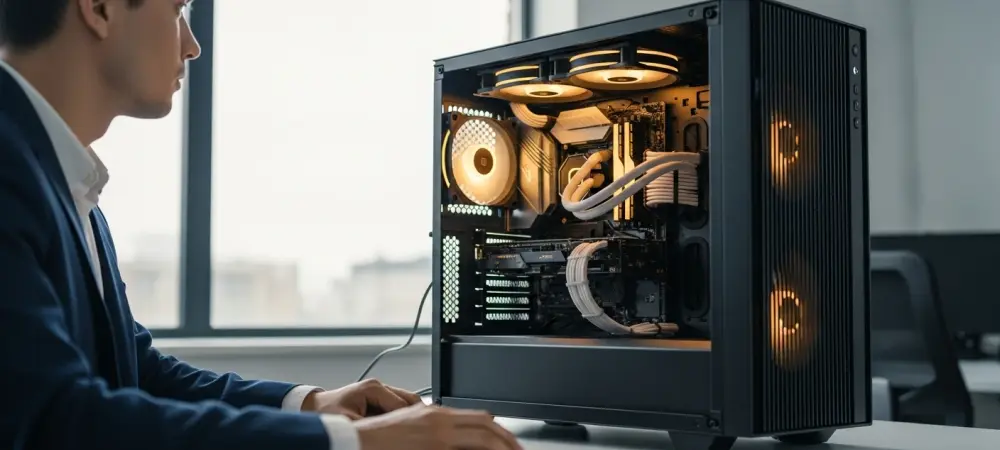
The evolution of boutique computing has reached a definitive turning point where the boundary between raw processing power and curated artistic expression has effectively dissolved. ASUS Republic of Gamers has transitioned from a small-scale motherboard experiment into a dominant cultural force within the enthusiast community. This milestone marks a pivot toward luxury materials and integrated ecosystems that redefine what a flagship PC represents in the current market. By moving away from purely utilitarian designs, the brand has successfully positioned itself at the intersection of high-end technology and lifestyle interior design.
The significance of this anniversary extends beyond a simple celebration of longevity. It represents a maturation of the DIY market, where performance is no longer the sole metric of success. The current roadmap indicates a heavy investment in the “Back-to-the-Future” ecosystem, which aims to eliminate visible clutter entirely. This shift highlights a strategic move to capture the premium segment through aesthetic innovation and sophisticated engineering that appeals to a broad demographic of collectors and professionals.
Market Evolution and the Rise of Aesthetic Engineering
Data and Growth Trends in the Premium Hardware Sector
Consumers are increasingly viewing high-end components as status symbols rather than mere utilitarian tools. Recent market data indicates a surge in demand for limited-edition hardware that offers exclusivity and aesthetic cohesion. This transition from the aggressive red-and-black tones of previous decades to a refined gold-and-black palette reflects a maturing audience that values sophistication alongside performance metrics. The market for “showcase” PCs has grown significantly, driven by a desire for hardware that complements modern home aesthetics.
Furthermore, the rise of the luxury PC segment suggests that enthusiasts are willing to pay a premium for hardware that guarantees a specific visual outcome. This trend is supported by statistics showing that builders now prioritize component synergy and “out-of-the-box” beauty over the modular flexibility of the past. As a result, manufacturers are shifting their focus toward creating complete, themed hardware families that ensure every part of the build feels intentional and high-end.
Real-World Application: The BTF Ecosystem and Component Synergy
The design philosophy known as “Back-to-the-Future” represents a technical leap in internal cable management. By relocating power connectors to the rear of the motherboard, the system enables a truly “cable-less” interior. This ecosystem includes specialized Crosshair motherboards and the ROG Astral graphics card, which utilizes a high-power connector situated next to the PCIe slot to deliver energy without external wires. Such innovations solve a decade-long struggle for clean builds while improving internal airflow and accessibility.
This synergy ensures that every component, from the high-wattage power supplies to the premium liquid coolers, contributes to a unified visual and thermal standard. The integration of next-generation architecture, likely featuring the GeForce RTX 50-series, demonstrates how technical performance is now being packaged within these advanced physical layouts. These factory-overclocked, “cable-less” flagships serve as a practical demonstration of how far the industry has come in balancing raw electrical needs with minimalist design.
Strategic Industry Perspectives on the ROG Milestone
Industry analysts view the decision to unveil this ambitious hardware collection at major trade events as a strategic move to maintain dominance in the enthusiast sector. The introduction of proprietary “hidden connector” standards presents both a challenge and an opportunity for the broader DIY market. While these innovations require a specific chassis to accommodate the rear-facing plugs, they set a high bar for competitors who must now decide whether to adopt similar standards or risk falling behind in the race for the cleanest aesthetic.
Experts suggest that these anniversary lineups serve as halo projects that reinforce brand loyalty while testing technologies that will eventually become standard. By pioneering hidden connectors, a brand can dictate the future direction of motherboard and case design. This strategy not only solidifies its position as an innovator but also creates a specialized ecosystem that encourages consumers to remain within a single brand’s product family to ensure total compatibility and visual harmony.
Future Outlook: The Next Era of Enthusiast Computing
Over the next five years, the premium features seen in this anniversary collection will likely permeate mainstream product lines. Hidden connectors and integrated lighting ecosystems will become standard expectations for mid-range builders, rather than being reserved for elite collectors. However, the industry must navigate the hurdles of proprietary designs to ensure that luxury-tier aesthetics remain accessible. The move toward more unified, clean-build solutions will require collaboration between motherboard manufacturers and case designers to establish universal standards. The broader implications of this trend point toward a future where the “Luxury PC” is a centerpiece of home and office environments. As gaming hardware continues to merge with professional workstation requirements, the focus on visual artistry will only intensify. While high entry costs remain a potential barrier, the technological leaps in power delivery and thermal management seen in these flagship models will drive the entire industry toward more efficient and visually stunning computing solutions.
Two Decades of ROG and the Vision for Tomorrow
The anniversary lineup successfully honored twenty years of engineering while establishing a clear blueprint for the next decade of desktop computing. It moved the industry conversation from individual component speeds toward the total harmony of the system. By integrating advanced GPU architectures with cable-less designs, the brand demonstrated that peak performance does not have to come at the expense of visual elegance. This milestone effectively raised the standard for what enthusiasts should expect from premium hardware manufacturers moving forward.
The focus shifted toward standardizing these clean-build technologies to allow for greater cross-brand compatibility and sustainable innovation. The successful reception of the gold-and-black aesthetic proved that there was a significant appetite for more mature, sophisticated hardware designs. Future developments will likely emphasize even deeper integration between software control and physical hardware, ensuring that the next generation of PC builders can achieve professional-grade results with unprecedented ease.