

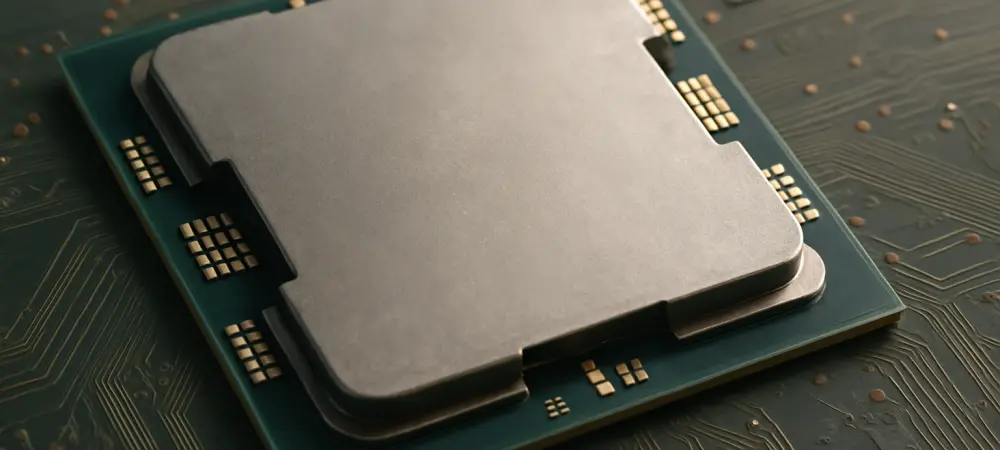
In a world where PC hardware evolves at a breakneck pace, staying ahead of the curve is both a challenge and a necessity for enthusiasts and builders alike, especially when groundbreaking announcements like ASUS confirming support for AMD’s Zen 6 Ryzen CPUs on their latest motherboard signal a pivotal moment. Imagine assembling a cutting-edge rig today, only to find that tomorrow’s processors are already within reach thanks to this development, which underscores the rapid push toward future-proof technology. As AMD solidifies its dominance in the CPU market, compatibility with next-gen architectures like Zen 6 becomes a cornerstone for planning long-term builds. This analysis dives into ASUS’s pioneering move, explores broader industry trends surrounding the AM5 socket, gathers expert insights, and evaluates the implications for the ever-shifting landscape of PC hardware.
ASUS Takes the Lead: Zen 6 Support on B850M Motherboard
Official Announcement and Technical Details
ASUS has emerged as the first manufacturer to officially declare support for AMD’s Zen 6 Ryzen CPUs on its AM5 socket B850M AYW OC motherboard, setting a new benchmark for early adoption. This micro-ATX board, priced at an accessible $190 USD, targets mainstream users with a flair for overclocking, boasting features like an external BCLK generator for precise tuning. Additionally, it supports DDR5 memory speeds surpassing 10,000 MT/s and houses a robust 64 MB BIOS to ensure seamless updates for future compatibility. The significance of this announcement cannot be overstated, as it provides concrete assurance to consumers well ahead of the anticipated release of Zen 6 processors. By integrating such forward-thinking design into a budget-friendly platform, ASUS demonstrates a commitment to accessibility without sacrificing performance. This move positions the B850M as a standout option in a competitive market hungry for next-gen readiness.
Practical Benefits for PC Builders and Enthusiasts
For PC builders and enthusiasts, ASUS’s confirmation translates into tangible advantages when planning systems with longevity in mind. Those eyeing upgrades or new builds can confidently invest in the B850M AYW OC, knowing it will pair effortlessly with Zen 6 CPUs for high-octane gaming setups or demanding content creation workstations. This compatibility eliminates the guesswork often associated with hardware transitions.
Moreover, the board’s affordability ensures that cutting-edge technology isn’t reserved solely for premium buyers. Mainstream users can now access overclocking capabilities and high-speed memory support, making it an ideal foundation for a versatile rig. Such accessibility democratizes advanced performance, catering to a wide range of users from casual gamers to professional creators.
The real-world impact extends beyond specs, fostering a sense of security among builders who prioritize future-proofing. With this motherboard, the risk of obsolescence diminishes, allowing users to focus on maximizing their system’s potential without immediate concern for socket or platform changes. This strategic alignment with upcoming AMD architectures reinforces consumer trust in ASUS’s offerings.
Industry Momentum: AM5 Socket Durability and Vendor Strategies
Expanding Support Across MSI, ASRock, and Beyond
While ASUS has taken the most explicit stance, other major players like MSI with their AM5 800-series boards and ASRock with their B850 series have also hinted at compatibility with future Ryzen CPUs. These subtle nods suggest a collective industry shift toward preparing for Zen 6, even if not all vendors are as forthcoming as ASUS. The growing openness among manufacturers points to a possible relaxation of restrictions by AMD on discussing upcoming compatibility.
Reports indicate that AMD has already begun distributing Zen 6 samples to key partners for testing and optimization. This collaborative approach ensures that hardware and firmware are fine-tuned well in advance, minimizing launch-day hiccups. Such behind-the-scenes efforts reflect a unified push to maintain the AM5 platform’s relevance across multiple product cycles.
This trend of vendor alignment highlights a broader commitment to user convenience, as more companies signal readiness for AMD’s next-gen processors. The cautious transparency from MSI and ASRock, contrasted with ASUS’s boldness, illustrates varying competitive strategies, yet all contribute to a cohesive ecosystem geared for innovation. This dynamic fosters optimism among consumers navigating their hardware choices.
AMD’s Dedication to Platform Consistency
AMD’s strategy to sustain the AM5 socket across at least three generations of Zen CPUs stands as a testament to their focus on platform stability. This approach builds confidence among users, ensuring that investments in current motherboards won’t be rendered obsolete with each new CPU release. The promise of extended support marks a user-friendly shift in an industry often criticized for frequent socket changes.
Historically, rapid socket transitions have burdened consumers with added costs and complexity during upgrades. In contrast, AM5’s longevity offers a refreshing reprieve, allowing builders to plan incrementally without overhauling entire systems. This stability not only saves money but also simplifies the upgrade path for both novices and seasoned enthusiasts.
Industry consensus underscores forward-compatibility as a defining strength of the AM5 platform. By prioritizing a durable socket architecture, AMD addresses a long-standing pain point, enhancing the appeal of their ecosystem. This commitment resonates with a community eager for reliability amid the constant flux of technological advancements.
Expert Perspectives: Implications of Zen 6 Compatibility
Tech analysts and industry insiders view ASUS’s announcement as a significant boost to consumer trust, signaling that manufacturers are proactively aligning with AMD’s roadmap. This early confirmation sets a precedent, reassuring buyers that their hardware investments are safeguarded against near-term obsolescence. Experts note that such transparency strengthens brand loyalty in a fiercely competitive market.
Further insights reveal that AMD’s close collaboration with motherboard vendors is crucial for optimizing Zen 6 performance. Partnerships focused on refining BIOS updates and hardware integration aim to deliver a polished user experience upon release. Analysts emphasize that this joint effort could give AMD an edge by ensuring smooth compatibility across diverse board models.
The varying levels of transparency among vendors also draw expert commentary, with ASUS’s directness seen as a bold marketing play compared to MSI’s more reserved stance. This disparity reflects differing approaches to competitive positioning, yet all contribute to a narrative of progress. Industry voices agree that such dynamics ultimately benefit consumers by fostering choice and driving innovation in the hardware space.
Looking Ahead: Zen 6 and the Changing CPU Arena
Speculation around Zen 6’s debut suggests a potential unveiling at Computex this year, with a full rollout expected in the following months. This timeline positions AMD to potentially outpace Intel’s Nova Lake processors in reaching the market, intensifying the rivalry between the two giants. While AMD is rumored to offer up to 24 cores in its mainstream desktop lineup, Intel’s ambitious push toward 52 cores hints at a fierce battle for supremacy.
The anticipated benefits of Zen 6 include substantial gains in gaming and productivity workloads, catering to an audience hungry for performance leaps. However, challenges such as ensuring BIOS update reliability and navigating potential pricing uncertainties remain on the horizon. These hurdles will test both AMD and its partners in delivering a seamless transition for end users.
Broader implications for the PC building community center on how Zen 6 compatibility influences long-term hardware decisions. As motherboards like the B850M pave the way for next-gen CPUs, builders gain greater flexibility in crafting systems that evolve over time. This shift toward enduring platforms could redefine investment strategies, prioritizing adaptability in an era of rapid tech turnover.
Key Insights: Navigating AMD Zen 6 Compatibility
Reflecting on the developments, ASUS’s trailblazing confirmation of Zen 6 support on the B850M AYW OC motherboard has marked a defining moment in hardware trends. The industry’s collective move toward AM5 socket longevity, alongside AMD’s strategic positioning against competitors, has reshaped expectations for PC builds. These advancements have underscored the critical role of motherboard compatibility in enabling smooth upgrades. Looking back, the groundwork laid by these efforts has offered a clear path for builders and enthusiasts to embrace emerging technologies. Moving forward, staying attuned to firmware updates and vendor announcements becomes essential for maximizing system potential. Exploring AM5-based platforms emerges as a prudent step for those planning their next project, ensuring readiness for the evolving demands of modern computing.