

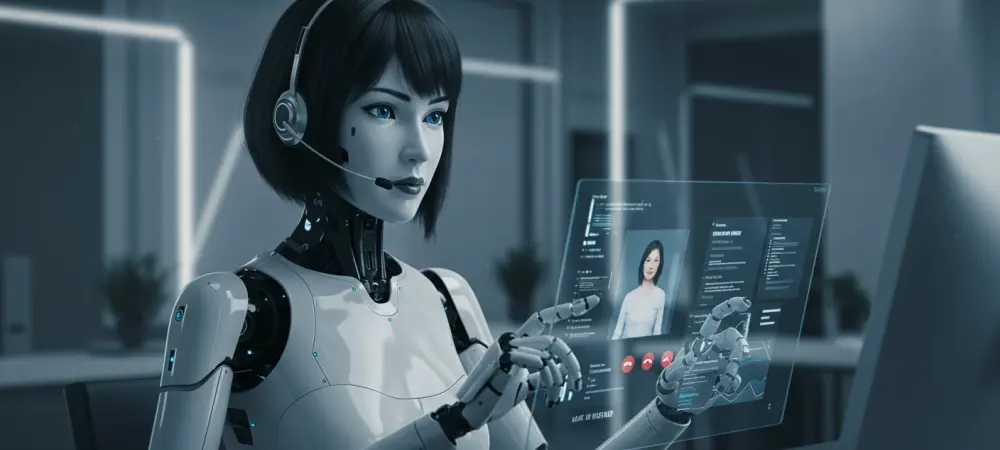
In a fast-evolving digital landscape, artificial intelligence is spearheading a transformative reimagining of customer service. Driven by advancements in technology, AI is now integral to how businesses communicate with consumers, offering ways to enhance efficiency through automated interactions. AI tools, including chatbots and virtual assistants, make customer engagement smoother and more personalized. By employing natural language processing, these tools can comprehend user intentions and respond appropriately, providing round-the-clock support. The demand for quick, personalized service in contemporary markets has fueled AI’s implementation, making it an essential component in customer service strategies.
Current State of AI in Customer Service
Adoption and Growth Trends
Over recent years, the adoption rate of AI within customer service departments has soared, reflecting a significant paradigm shift. Data indicates that the integration of AI technology has grown exponentially due to its capacity to streamline operations and improve service delivery. Reports consistently highlight this upward trend, emphasizing an industry-wide move toward AI for competitive edge and customer satisfaction. The rapid acceleration in technological development, combined with falling costs of AI solutions, has made AI a viable option for companies of varying sizes.
Real-World Applications
Numerous businesses have already integrated AI into their customer service operations, leveraging their capabilities to enhance user experiences. Companies like Amazon and Netflix utilize AI-driven chatbots to provide instantaneous support, demonstrating the successful application of these technologies. AI systems not only handle inquiries efficiently but also tailor responses to individual users, thereby strengthening consumer loyalty. This technological shift allows enterprises to focus human resources on complex issues while automating routine tasks, underscoring AI’s transformative potential in real-world scenarios.
Expert Insights and Industry Opinions
Industry leaders are largely positive about AI’s transformative effect on customer service, citing increased efficiency and enhanced customer experience as key benefits. Opinions from specialists suggest that while AI presents ample opportunities, it also poses challenges that must be navigated carefully. Experts emphasize the importance of maintaining a balance between automation and human intervention to ensure comprehensive service that caters to emotional and complex demands. Professionals in the field underscore the necessity for adaptable AI systems that can evolve with changing consumer expectations and technological developments.
The Future of AI in Customer Service
Looking ahead, AI technologies are poised to achieve further groundbreaking advancements, offering new tools and techniques for improving customer interaction. Notable developments may include enhanced generative AI capable of producing more conversational and human-like interactions, discovering new depths in engagement. With these innovations, AI can significantly decrease response times and further personalize customer experiences. However, the future may also bring challenges, such as navigating data security concerns, thereby requiring diligent regulatory measures. The broader implications will extend beyond customer service into various other sectors, heralding a transformative era powered by AI.
Conclusion
The journey of AI in reshaping customer service has been remarkable, with the potential for even greater innovations and applications. As technological advancements continue to evolve, businesses and stakeholders must actively adapt their strategies to leverage AI’s full potential. The move toward AI-integrated customer service has already prompted businesses to rethink traditional support paradigms, making room for more personalized and efficient interactions. With the understanding of AI’s capabilities, future considerations should involve addressing ethical and privacy concerns, fostering an environment where AI and human intelligence work synergistically for optimal customer experience.