

Introduction to a Technological Renaissance
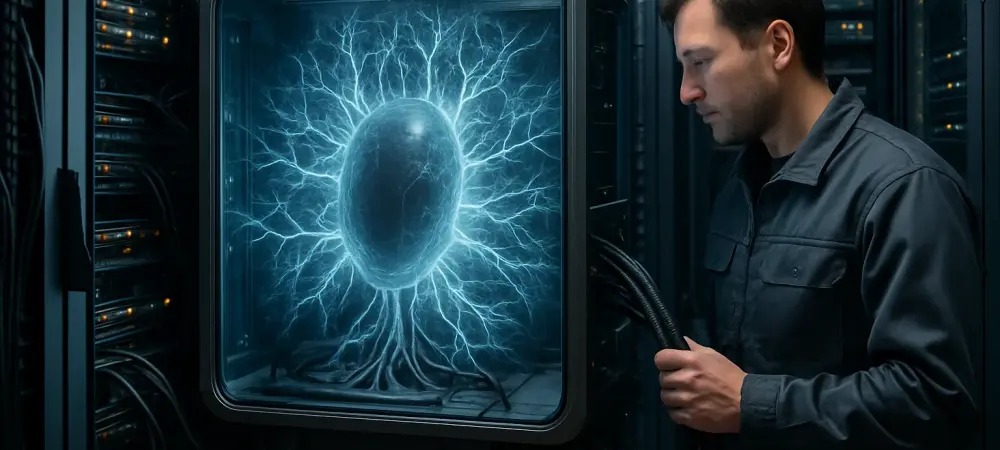
Imagine a world where the backbone of enterprise technology, once thought to be a relic of the past, becomes the epicenter of cutting-edge innovation through the integration of artificial intelligence (AI). Mainframe systems, long seen as outdated by some, are experiencing a remarkable resurgence, challenging preconceived notions and redefining their role in modern business. This synergy between AI and mainframes holds immense significance in a digital landscape where speed, security, and scalability are paramount for enterprise success. The fusion of these technologies enables organizations to process vast data volumes with unprecedented intelligence, ensuring they remain competitive in fast-evolving markets. This analysis delves into the evolution of mainframes with AI, explores real-world applications, incorporates expert insights, examines future implications, and offers a conclusive perspective on this transformative trend.
The Rise of AI in Mainframe Technology
Current Trends and Adoption Statistics
The adoption of AI in mainframe systems is accelerating at a notable pace, reflecting a shift toward intelligent enterprise platforms. Recent industry reports indicate that a significant percentage of large organizations are investing in AI-mainframe integration, with projections showing steady growth in adoption rates from this year to 2027. This trend underscores a broader movement among enterprises to modernize legacy systems, leveraging AI for real-time analytics and operational efficiency. The push is driven by the need to extract actionable insights from massive datasets without compromising the reliability that mainframes are known for, marking a departure from traditional processing to dynamic, intelligence-driven operations.
Furthermore, the financial sector leads in this integration, with many institutions prioritizing AI to enhance transaction processing capabilities. Studies suggest that the focus on AI is not just a passing trend but a strategic imperative, as companies aim to reduce latency and improve decision-making directly within mainframe environments. This growing investment highlights the recognition of mainframes as not just infrastructure but as vital components of digital transformation strategies across industries.
Real-World Implementations and Case Studies
In practical settings, AI is proving to be a game-changer for mainframe applications, particularly in high-stakes industries like finance. Financial institutions are deploying AI within mainframe systems to detect fraudulent transactions in real time, analyzing patterns and flagging anomalies with remarkable speed. This capability minimizes risks and ensures compliance with stringent regulatory standards, showcasing how AI enhances the security framework of traditional systems without requiring extensive overhauls.
Beyond security, notable case studies reveal how companies are using AI to modernize legacy codebases, such as those written in COBOL. By automating code restructuring and validating updates, AI tools help bridge the skills gap caused by a dwindling pool of experienced developers, allowing teams to focus on innovation rather than maintenance. Such implementations result in reduced operational risks and faster adaptation to modern business needs, illustrating the tangible benefits of this technology pairing.
Another compelling example lies in predictive maintenance, where AI integrated into mainframes anticipates system failures before they occur. This proactive approach has led to significant reductions in downtime for several enterprises, optimizing resource allocation and enhancing business continuity. These real-world applications demonstrate that AI is not merely an add-on but a transformative force, turning mainframes into resilient, forward-thinking platforms.
Expert Perspectives on AI-Mainframe Synergy
Industry leaders and technology experts are unanimous in their view that AI is revolutionizing the role of mainframes in enterprise ecosystems. Many emphasize the enhanced security features that AI brings, such as real-time threat detection, which fortifies systems against increasingly sophisticated cyber risks. This transformation is seen as a critical step in maintaining trust and reliability in sectors where data breaches can have catastrophic consequences.
Additionally, experts point to the efficiency gains from AI-driven automation, particularly in addressing the challenges of maintaining legacy systems. The automation of complex tasks, such as system updates and troubleshooting, mitigates the impact of a shrinking talent pool familiar with older technologies. This perspective highlights AI as a vital tool in sustaining operational continuity while pushing the boundaries of what mainframes can achieve.
Strategically, thought leaders stress the importance of AI-mainframe integration for staying competitive in fast-paced industries like healthcare and finance. They argue that this synergy enables organizations to harness real-time intelligence, driving innovation and responsiveness to market demands. Such insights underscore the consensus that integrating AI with mainframes is not just an upgrade but a fundamental shift in how enterprises approach technology infrastructure.
Future Outlook for AI-Enhanced Mainframes
Looking ahead, the potential for deeper AI integration in mainframe systems promises to reshape enterprise technology even further. Predictive analytics could become more sophisticated, allowing organizations to anticipate market trends and operational challenges with greater accuracy. This development is expected to expand beyond traditional sectors like finance and retail, finding applications in areas such as logistics and public services, where data-driven insights are increasingly critical.
The benefits of such advancements are clear, including improved decision-making through actionable intelligence and enhanced system resilience. However, challenges like ensuring data privacy and managing the costs of integration must be addressed to sustain this momentum. Balancing innovation with ethical considerations will be essential as AI becomes more embedded in core business operations, ensuring that trust and compliance are not compromised.
Broader implications suggest that AI-enhanced mainframes could redefine the very nature of enterprise infrastructure. As these systems evolve, they may drive long-term resilience by reducing dependency on manual processes, though risks such as over-reliance on automation need careful monitoring. The trajectory indicates a future where mainframes, powered by AI, become central to strategic planning, offering a robust foundation for navigating digital complexities.
Final Reflections and Path Forward
Reflecting on this trend, it becomes evident that the journey of mainframes from static infrastructure to intelligent platforms through AI integration marks a pivotal moment in enterprise technology. The proven applications in fraud detection, legacy code modernization, and operational resilience demonstrate the immediate value of this synergy. Experts’ insights further validate the transformative impact, while future outlooks hint at even greater possibilities for innovation across diverse industries. As a next step, businesses are encouraged to prioritize the adoption of AI-mainframe solutions to maintain a competitive edge. Investing in training and partnerships with technology providers emerges as a practical approach to overcoming integration challenges. By acting decisively, enterprises position themselves to harness the full potential of this trend, ensuring they are well-equipped to tackle future digital demands with confidence and foresight.