

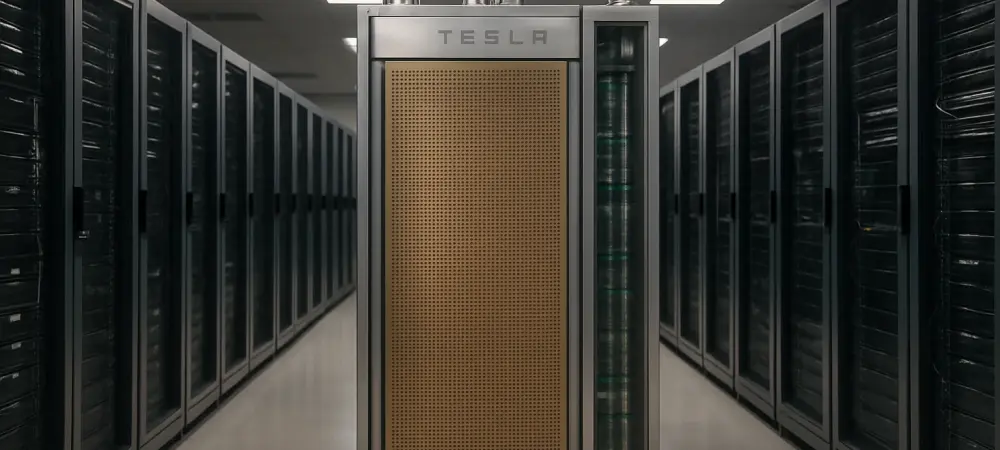
I’m thrilled to sit down with Dominic Jainy, a seasoned IT professional whose deep knowledge of artificial intelligence, machine learning, and blockchain gives him unique insights into the evolving landscape of semiconductor technology. Today, we’re diving into the fascinating collaboration between Tesla and Intel Foundry for the Dojo supercomputer project. Our conversation explores Tesla’s strategic partnerships, the technical innovations driving this initiative, and the broader implications for the foundry market. From Intel’s cutting-edge technology to Tesla’s diversification of supply chains, Dominic sheds light on the trends shaping the future of high-performance computing.
Can you walk us through Tesla’s decision to partner with Intel Foundry for the Dojo supercomputer project and what might have driven this choice?
Tesla’s move to collaborate with Intel Foundry for the Dojo supercomputer is a strategic one, largely influenced by the need for specialized packaging and testing services. Intel has been pushing hard to establish itself as a competitive player in the foundry space, and their readiness to cater to Tesla’s unique requirements likely played a big role. Factors like Intel’s capacity to handle specific orders and their innovative approach to chip packaging probably tipped the scales. It also aligns with Tesla’s broader goal of diversifying its supply chain to reduce dependency on any single provider, ensuring flexibility and resilience in production.
What’s behind Tesla’s shift away from traditional partners like TSMC for certain aspects of the Dojo supercomputer?
Tesla’s pivot away from TSMC for the Dojo chips seems to stem from practical challenges. TSMC’s production lines are incredibly busy with high-demand technologies like CoWoS, making it tough for them to prioritize smaller or more customized orders like Tesla’s. The Dojo supercomputer’s custom D1 chips are complex and require specific packaging solutions that TSMC might not be able to accommodate at scale right now. By exploring other partners like Intel, Tesla is likely aiming to mitigate risks tied to production bottlenecks and ensure they meet their project timelines.
How does Intel’s technology stand out in comparison to other packaging solutions Tesla has used in the past?
Intel brings something unique to the table with its EMIB—or Embedded Multi-Die Interconnect Bridge—technology. Unlike some traditional packaging methods, EMIB connects multiple dies using tiny, efficient bridges, which allows for a more compact and flexible design. This offers a significant edge over alternatives like TSMC’s System on Wafer packaging, particularly in terms of modularity. For Tesla, this means they can potentially integrate new features or tweak existing designs more easily, which is critical for a cutting-edge project like Dojo that demands constant innovation.
Can you explain the role of other foundry partners, like Samsung, in Tesla’s broader manufacturing strategy for next-gen projects?
Tesla appears to be playing a smart game by balancing partnerships with both Samsung and Intel. Samsung Foundry is reportedly involved in producing next-gen AI chips on advanced nodes like 2nm, while Intel handles packaging and testing for the Dojo supercomputer. This division of labor suggests Tesla is cherry-picking the strengths of each partner to optimize their supply chain. For the upcoming Dojo 3, it’s likely they’re separating chip production and module packaging between these two, leveraging Samsung’s fabrication expertise and Intel’s packaging capabilities to create a more robust ecosystem.
What makes the Dojo supercomputer’s design so unique, and how does that influence the choice of technology partners?
The Dojo supercomputer relies on custom D1 chips that are unusually large and intricate, with multiple chips arranged on a single wafer. This design pushes the boundaries of traditional chip architecture, requiring advanced packaging to ensure performance and reliability. The complexity and scale of these chips mean Tesla needs partners who can handle highly specialized processes. That’s where Intel’s EMIB technology comes in—it’s well-suited to manage the interconnect challenges posed by such a design, making Intel a fitting choice over others who might struggle with the customization needed.
How significant is Tesla’s partnership for Intel Foundry in the competitive landscape of semiconductor manufacturing?
This partnership is a big win for Intel Foundry, especially as they’ve been working to carve out a larger share of the foundry market. Landing a high-profile client like Tesla not only boosts their credibility but also provides a much-needed foothold in a space dominated by giants like TSMC. It’s a chance for Intel to showcase their packaging expertise and could serve as a stepping stone to attract other major players. If they deliver on Tesla’s expectations, it might open doors to more contracts, helping Intel gain traction in an incredibly competitive industry.
Looking ahead, what do you think Tesla’s long-term vision is with diversifying its manufacturing partners?
Tesla’s strategy of diversifying manufacturing partners is likely rooted in a desire for greater control and adaptability. By spreading their bets across multiple foundries like Intel and Samsung, they’re reducing reliance on any one supplier, which helps mitigate risks like production delays or geopolitical disruptions. Long-term, I think Tesla aims to build a more agile supply chain that can quickly respond to technological advancements or market shifts. This approach also gives them leverage to negotiate better terms and drive innovation by fostering competition among their partners.
What’s your forecast for the future of high-performance computing projects like Dojo in the semiconductor industry?
I believe high-performance computing projects like Dojo will continue to push the boundaries of what’s possible in semiconductor design and manufacturing. We’re going to see an increasing demand for custom chips tailored to specific workloads, especially in AI and machine learning. This will drive more companies to seek out flexible, innovative foundry partners who can handle complex packaging and integration challenges. The industry will likely become even more collaborative, with players like Intel and Samsung stepping up to meet niche needs. Ultimately, I think we’re heading toward a future where modularity and scalability in chip design become the norm, reshaping how supercomputing hardware is developed.