

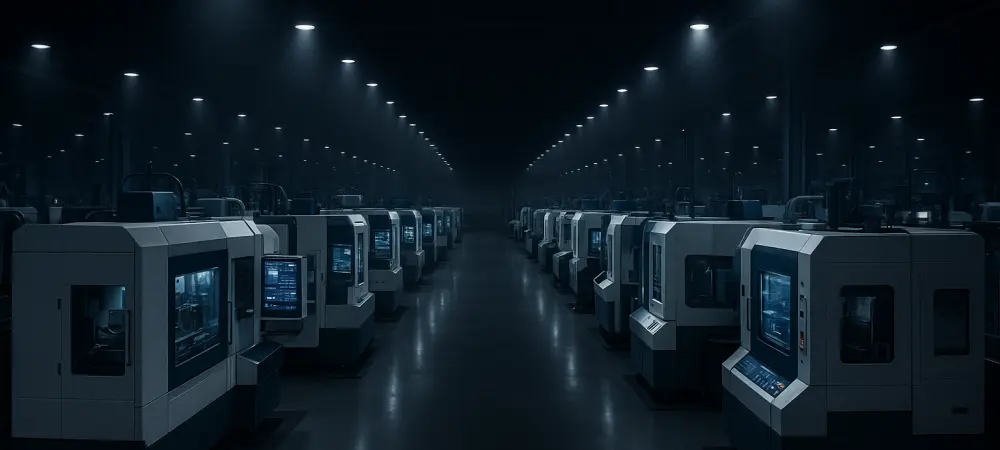
The relentless pressure to deliver microscopic precision at supersonic speeds has finally pushed the machining industry toward a point of no return where artificial intelligence is no longer a luxury but a core survival strategy. The industrial world has undergone a profound metamorphosis, trading the tactile intuition of manual labor for the calculated efficiency of autonomous precision. This transition marks the most significant shift in manufacturing since the assembly line, as artificial intelligence matures from an experimental curiosity into the backbone of production. With global market demand for high-tolerance components soaring, the integration of intelligent algorithms has become the primary driver for progress in Computer Numerical Control automation. This evolution is not merely about replacing tools; it is about redefining how manufacturers interact with physical materials at scale.
The Digital Transformation of the Machine Shop
Market Dynamics and the Surge in AI Adoption
Investment patterns are shifting rapidly toward software-first solutions, a trend perfectly encapsulated by the $20 million funding milestone reached by industry leaders like CloudNC. This injection of capital, supported by visionary groups including Nimble Ventures and Lockheed Martin’s LM Ventures, signals a massive vote of confidence in autonomous systems. Across the globe, facilities are pivoting from traditional Computer-Aided Manufacturing to AI-driven programming to stay relevant.
This widespread adoption reflects a broader economic reality where shops must scale production without the massive overhead of additional physical infrastructure. Venture capital has recognized that the bottleneck is no longer the machine itself, but the human-dependent programming phase. By focusing on software that can “think” through machining strategies, the industry is effectively decoupling production capacity from the scarcity of specialized technical labor.
Real-World Applications: From CAM Assist to Global Supply Chains
The practical impact of these technologies is most evident in the drastic reduction of manual programming hours through toolpath automation. Aerospace leaders are utilizing AI to navigate the labyrinthine requirements of high-precision component design, slashing the time it takes to move from a digital blueprint to a physical part. This shift allows for an unprecedented level of agility in responding to design changes or urgent production demands.
Beyond the machine floor, the introduction of Quote Agent technology has begun to dismantle administrative bottlenecks that historically slowed down the supply chain. By using AI to evaluate technical drawings and calculate cycle times instantly, suppliers are returning bids with greater speed and margin accuracy. This automation of the pre-production phase ensures that the entire lifecycle of a component, from the initial quote to the final inspection, is optimized for the modern economy.
Expert Perspectives on Industrial Autonomy
Venture capitalists view this technological leap as a critical catalyst for the onshoring of manufacturing, allowing local shops to compete with overseas labor through pure efficiency. By reducing the reliance on a shrinking pool of veteran machinists, AI enables domestic facilities to maintain a competitive edge. Defense contractors further emphasize that maintaining extreme engineering tolerances makes AI an indispensable partner in meeting the accelerated delivery schedules required for national security.
However, the transition involves more than just software installation; it requires a robust commitment to data security and regulatory compliance. Achieving FedRAMP authorization has become a top priority for developers, ensuring that AI tools can be safely deployed within the highly regulated public sector. This focus on governance ensures that the digital transformation of manufacturing does not come at the cost of intellectual property or national safety.
The Future of Autonomous Manufacturing
Projections starting from 2026 and beyond indicate a move toward completely automated pre-production workflows that require minimal human intervention. This progression promises to stabilize fragile global supply chains by increasing the output capacity of existing workshops and virtually eliminating the risk of human error. As software continues to define the manufacturing process, the physical limitations of hardware are increasingly mitigated by intelligent optimization.
While the benefits are clear, the path forward involves navigating significant hurdles, particularly regarding the integration of legacy hardware. Establishing a software-defined manufacturing framework is essential for creating a resilient global infrastructure. The broader implication of this shift is a more responsive industrial base where production can be redirected or scaled up with the press of a button, ensuring long-term economic stability.
Conclusion
The implementation of autonomous systems successfully resolved the historical tension between the need for extreme precision and the demand for rapid production. This strategic pivot ensured that manufacturers remained globally competitive while maximizing the utility of their existing equipment and talent. The transition from human-centric programming to AI-assisted production ultimately redefined the boundaries of what was possible in the industrial sector. By embracing these advancements, the industry established a new standard for efficiency and security that influenced manufacturing practices for the better. These actionable steps toward total autonomy provided a roadmap for future industrial resilience and technological sovereignty.